

HairMD’s Graft Survival Protocol: What Sets Our Technique Apart?


Written by HairMD Content Team | Medically Reviewed by Dr. Dhanraj Chavan On April 23, 2026



HairMD’s Graft Survival Protocol is designed to maximize the success of every transplanted hair follicle by focusing on scientific handling, precision, and timing. At every step of the procedure, grafts are carefully preserved in temperature-controlled machine (chiller ) to prevent dehydration and maintain their viability.
The time between extraction and implantation is minimized to reduce stress on the follicles, while gentle extraction techniques ensure minimal trauma and a low transection rate. Each graft is handled using strict medical protocols, avoiding unnecessary exposure to air and maintaining proper hydration throughout. During implantation, special attention is given to the angle, depth, and direction to achieve natural density and optimal growth.
This combination of expert technique, advanced protocols, and a skilled team approach ensures higher graft survival, better density, and long-lasting, natural-looking results.
What’s covered in the article?
- What Is Graft Survival in Hair Transplant?
- Why Graft Survival Matters More Than Graft Count?
- Key Factors That Affect Graft Survival
- HairMD’s Graft Survival Protocol
- Standard Clinics vs HairMD Protocol
- What Makes HairMD Clinic Pune Different?
- What Patients Can Expect (Step-by-Step)?
- Post-Operative Care (Critical for Survival)
- Timeline of Results
- Common Mistakes That Destroy Results
- Why Choosing the Right Clinic Matters?
- Frequently Asked Questions
- Conclusion
What Is Graft Survival in Hair Transplant?
To understand how to protect your investment, you must first understand the biology of the procedure.
What a Hair Graft Is?
A hair graft is a tiny piece of living tissue extracted from your scalp. It is not just a strand of hair; it contains the hair shaft, the follicle (the root), the sebaceous gland, and the surrounding cellular tissue. A single graft can contain anywhere from one to four individual hairs.
What “Graft Survival Rate” Means?
The graft survival rate is the percentage of these extracted follicular units that successfully take root, establish a new blood supply, and grow permanently after being implanted into the balding area. If a surgeon implants 100 grafts and 95 of them grow into healthy hairs, the survival rate is 95%.
Why It Directly Impacts Final Results?
A hair follicle is an incredibly delicate micro-organ. From the moment it is removed from the donor area, it is cut off from its blood and oxygen supply and begins to undergo cellular stress. If the follicle is damaged during extraction, deprived of hydration, or implanted incorrectly, it will not survive. A dead graft will never produce hair.
Graft survival directly determines the final outcome of a hair transplant because only the grafts that successfully survive will grow and contribute to visible density. No matter how many grafts are implanted, the result ultimately depends on how many of them establish a stable blood supply, heal properly, and enter the natural growth cycle.
Higher survival rates lead to fuller, thicker, and more natural-looking results. In contrast, poor survival can result in patchy coverage, reduced density, and an unnatural appearance. Since donor hair is limited and cannot be replaced, every lost graft is a permanent loss.
This is why the overall hair transplant success rate is fundamentally tied to how many of these delicate grafts survive the entire surgical journey—from extraction to implantation and healing.
Why Graft Survival Rate Matters More Than Graft Count?
There is a common misconception in the hair restoration industry that a higher number of grafts automatically leads to better results. Many clinics promote large sessions of 5,000 or even 6,000 grafts as a benchmark of success. In reality, numbers alone mean very little if those grafts do not survive.
A higher graft count may sound impressive, but poor graft survival leads to low density, patchy results, and wasted donor hair—which is a limited and non-renewable resource. Once a graft is extracted, it does not grow back in the donor area.
Consider this: Clinic A extracts 4,000 grafts but achieves only a 50% survival rate. The patient is left with around 2,000 growing hairs. Clinic B extracts 2,500 grafts with advanced techniques and achieves a 95% survival rate, resulting in approximately 2,375 growing hairs.
Despite using fewer grafts, Clinic B delivers better density, a more natural appearance, and preserves the donor area for future procedures. This is why a slightly lower number of grafts with a high survival rate often produces superior, long-lasting results.
Key factors such as gentle extraction, proper storage, minimal out-of-body time, and precise implantation play a far more critical role than simply increasing graft numbers.
In most cases, hair transplants are performed for progressive conditions like Androgenetic Alopecia, where long-term planning is essential. Overharvesting or focusing only on numbers can permanently compromise the donor area and limit future treatment options.
Ultimately, maximising graft survival rate is the only reliable way to achieve dense, natural results while protecting your long-term hair restoration potential.
Factors That Affect Graft Survival
Achieving a high graft survival rate is not dependent on a single step. It is the result of multiple clinical and patient-related factors working together throughout the procedure and recovery phase.
Surgical Technique & Extraction Precision
The technique used during extraction plays a critical role. If the punch size or angle is incorrect, it can damage the hair root (transection), making the graft non-viable. Precise extraction and implantation help preserve the natural structure and integrity of each follicle.
Graft Handling & Storage Conditions
Once extracted, grafts become extremely delicate. They must be handled gently to avoid physical trauma and stored in controlled conditions with proper hydration and temperature using specialised solutions. Even minor mishandling can damage the root and reduce survival chances.
Out-of-Body Time
The duration for which grafts remain outside the scalp directly affects their viability. Prolonged out-of-body time leads to depletion of cellular energy, reducing the ability of grafts to survive and grow. Efficient surgical workflow is essential to minimise this time.
Implantation Technique
Grafts must be implanted at the correct depth and angle. Improper placement—too deep or too shallow—can prevent proper blood supply, affect growth, or lead to complications such as cyst formation. Precision during implantation ensures natural direction and long-term survival.
Recipient Area Condition
The health of the scalp plays a significant role. Adequate blood supply is necessary for grafts to take root. Conditions such as poor scalp health, sun damage, or reduced circulation can directly impact the hair transplant success rate.
Patient-Related Factors
Individual factors like smoking, uncontrolled diabetes, poor nutrition, and inadequate post-operative care can delay healing and reduce graft survival. Following medical advice strictly is essential to support optimal results.
The skill and experience of the surgical team tie all these factors together. A well-trained team ensures that every graft is handled with precision, protected throughout the process, and placed in an environment where it can successfully grow.
HairMD’s Graft Survival Protocol
At HairMD Clinic Pune, we do not rely on standard industry practices. We have developed a rigorous, medically backed protocol designed to eliminate cellular stress at every phase of the procedure. Here is how our specific hair graft technique sets us apart.
1. Advanced Extraction Techniques
We utilise minimally traumatic extraction methods. Our surgeons use ultra-fine, low-oscillation micro-punches that cleanly separate the follicular unit from the surrounding tissue without generating harmful heat or friction. This ensures the follicle is extracted intact, complete with its vital protective tissue layer, drastically reducing the transection rate.
2. Scientific Graft Handling & Preservation
The moment a graft leaves your scalp, it enters a highly controlled environment. We do not simply place grafts on a dry gauze pad. Instead, we immediately submerge them in a specialised, chilled preservation solution. This bio-fluid mimics the body’s natural internal environment, keeping the cells hydrated, stabilising their pH levels, and slowing down their metabolic rate. This prevents cellular degradation while they await implantation.
3. Reduced Out-of-Body Time
Time is tissue. Our clinical team operates with exceptional synchronisation to reduce out-of-body time to the absolute minimum. By streamlining the sorting and loading processes, we ensure that grafts are reimplanted into your scalp as swiftly as medically possible, giving them the highest possible chance of survival.
4. Precision Implantation Technique
We do not force grafts into the scalp. We use advanced implanter tools that allow us to place the follicle at the exact depth and angle required for natural growth. This “no-touch” technique means the vulnerable root bulb is never squeezed or crushed by forceps during insertion. The surrounding blood vessels can immediately begin nourishing the new graft.
5. Customised Planning for Each Patient
We evaluate your specific scalp laxity, hair calibre, and bleeding tendency before the surgery begins. By customising the size of our instruments and adjusting our surgical pace to match your biology, we create the optimal surgical environment for high survival rates.
Standard Clinics vs HairMD Protocol Comparison Table
To help you understand the vast difference in clinical standards, here is a comparison of standard approaches versus our refined protocols:
|
Factor |
Standard Clinics |
HairMD Clinic Pune Protocol |
|
Graft Handling |
Basic saline solution, room temperature |
Advanced preservation solution, chilled biological environment |
|
Extraction |
Conventional high-speed motorized punches |
Minimally traumatic, low-oscillation micro-punches |
|
Implantation |
Forceps-based (high risk of crushing roots) |
Precision-based implanters (no-touch root technique) |
|
Out-of-Body Time |
Often prolonged due to poor team coordination |
Minimised through synchronised, efficient surgical workflows |
|
Survival Rate |
Variable (often 60% to 75%) |
Optimised for high survival (consistently 90%+) |
What Makes HairMD Clinic Pune Different?
When you search for the best hair transplant clinic, you must look beyond flashy advertisements and focus on medical substance.
Our facility is led by highly experienced hair specialists who dedicate their careers to the science of hair restoration. We continuously invest in advanced technology, from high-resolution digital trichoscopy for accurate diagnosis to premium surgical instrumentation for flawless execution.
More importantly, we strictly adhere to standardised medical protocols. Every team member in our operating theatre is extensively trained in our specific graft survival methods. This clinical discipline translates directly into consistent, dense, and exceptionally natural patient outcomes that stand the test of time.
Are you ready to secure the best possible results for your hair? Book a comprehensive scalp assessment at HairMD Clinic Pune to discuss your customised hair restoration plan.
What Patients Can Expect (Step-by-Step Journey)?
Knowing exactly what happens before, during, and after your procedure helps eliminate anxiety and prepares you for success.
Consultation
Your journey begins with a thorough medical evaluation. We assess your donor density, calculate your precise graft requirements, and explain exactly what we can realistically achieve.
Hairline Planning
On the morning of your procedure, the surgeon works with you to design a hairline that perfectly frames your facial structure, ensuring the final result looks completely natural and age-appropriate.
Procedure Day
Under local anaesthesia (which ensures you feel absolutely no pain), we execute the extraction and implantation using our strict survival protocols. You can relax, listen to music, or watch a film while our team works meticulously to restore your hair.
Post-Procedure Care
Before you leave, we provide you with a comprehensive aftercare kit and detailed instructions. Your immediate actions over the next few days are the final, crucial step in securing graft survival.
Post-Procedure Care for Maximum Graft Survival
Our surgical protocols place healthy, living grafts into your scalp, but proper aftercare is what ensures they survive and grow. The first 7–10 days after surgery are the most critical for graft stability.
Immediate Care (First Few Days)
In the initial days, avoid touching, rubbing, or scratching the transplanted area, as the grafts are still fragile and can be easily dislodged. Sleeping with your head elevated at a 45-degree angle helps reduce swelling and prevents unnecessary pressure on the scalp.
Activity Restrictions
Avoid strenuous exercise, sweating, smoking, and alcohol for at least 10–14 days. These factors can reduce blood flow to the scalp and negatively affect graft survival and healing. Even minor physical strain can increase the risk of graft displacement during this sensitive phase.
Washing Protocol
You will be guided on a specific, gentle washing routine, usually starting 2–3 days after the procedure. Use mild techniques—no rubbing or scratching. Instead, gently apply the prescribed shampoo and rinse with low-pressure, lukewarm water to keep the scalp clean without disturbing the grafts.
Avoiding Physical Damage
The grafts are not fully anchored until around day 7 to 10. During this period, even small actions—like bumping your head or pulling tight clothing over your scalp—can dislodge them. Extra caution in daily activities is essential.
Medications & Follow-Ups
Take all prescribed medications, including antibiotics and anti-inflammatory drugs, as directed to prevent infection and support healing. We schedule mandatory follow-up visits to monitor your progress, manage scabbing safely, and ensure the grafts are settling as expected.
Proper aftercare ensures that grafts remain stable, heal effectively, and transition into the natural hair growth cycle—leading to better density and long-lasting, natural-looking results.
Realistic Results Timeline
Patience is a necessary virtue in hair restoration. The hair transplant procedure relies on your body’s natural biological cycles.
Shedding Phase (Weeks 2 to 6)
Do not panic when the transplanted hairs begin to fall out a few weeks after surgery. This is a normal phenomenon known as “shock loss.” The trauma of the surgery forces the hair shaft to shed, but the vital root remains safely anchored beneath the skin.
Growth Phase (Months 3 to 6)
Around the third or fourth month, fine, new baby hairs will begin to break through the surface of the scalp. Over the following months, these hairs will thicken, darken, and mature.
Final Results Timeline (Months 10 to 14)
By month ten, you will see a dramatic transformation. The final, dense, and permanent results of your high graft survival hair transplant are typically visible between 12 and 14 months post-surgery.
Common Mistakes That Reduce Graft Survival
Both patients and inexperienced clinics can make critical errors that destroy graft viability.
Touching Grafts Early
The most common patient mistake is picking at the scabs that form around the grafts. Picking a scab on day three will almost certainly pull the living graft out with it, leaving a permanent bald spot in your new hairline.
Ignoring Aftercare
Failing to follow the prescribed washing protocols or exposing the scalp to direct, harsh sunlight in the first month can damage the healing tissue and reduce survival rates.
Choosing Low-Cost, Unqualified Clinics
The most dangerous mistake is prioritising a cheap price over medical expertise. Unqualified technicians often rush the procedure, crush the grafts with heavy forceps, and leave the follicles out of the body for hours. This guarantees a low survival rate and a botched result.
Why Choosing the Right Clinic Matters?
The stakes in hair restoration are incredibly high because your donor hair is limited.
Low Survival Rate
If a clinic fails to protect the grafts, you will endure the surgery and the recovery only to end up with sparse, thin hair that fails to cover your baldness.
Unnatural Results
Poor implantation techniques not only kill grafts but also result in hairs pointing in the wrong directions, creating an unnatural, “doll-plug” appearance that is difficult to conceal.
Wasted Grafts
The worst outcome of poor technique is the permanent destruction of your donor hair. If 2,000 grafts die due to improper handling, they cannot be restored.
Lack of Proper Aftercare
Hair transplant success does not end with the procedure. The right clinic provides comprehensive aftercare and long-term guidance, including medications and follow-ups to maintain existing hair and enhance transplant results. Without this support, even well-placed grafts may not deliver optimal, long-lasting outcomes.
This is why choosing a reputable facility is non-negotiable. As a premier hair clinic Pune relies on, HairMD Clinic Pune is committed to ethical medical practices. We treat every single graft as a precious resource, applying stringent scientific protocols to ensure your procedure is a resounding success on the first attempt.
Do not leave your hair restoration to chance. Contact HairMD Clinic Pune today to learn more about our advanced graft survival techniques and secure the dense, natural hair you deserve.
Ready to take the first step towards correcting your hair transplant?
Book a private consultation at HairMD in Pune or Pimpri Chinchwad. Let’s discuss your case and build a strategy to achieve the natural result you always wanted.
Frequently Asked Questions
How long does a hair graft survive outside the body?
Hair grafts can generally survive up to 6–8 hours outside the body. However, the best survival rates are achieved when implanted within 2–4 hoursSurvival is not just about time—it also depends on how grafts are preserved:Stored in cold preservation solutions (4–8°C)
Can I improve my hair transplant graft survival rate before surgery?
Yes. You can optimise your scalp’s blood flow by quitting smoking at least two weeks prior to the procedure and avoiding alcohol. Following your dermatologist’s pre-operative instructions ensures your scalp is in the best possible condition to receive the new grafts.
Will the transplanted hair ever fall out?
Yes, transplanted hair falls out initially—but only temporarily
The follicles survive and regrow new hair. Once grown, transplanted hair is typically permanent and resistant to hair loss
How do I know if a graft has died or fallen out during recovery?
Most “hair fall” after transplant is normal and temporaryTrue graft loss happens early and is usually linked to trauma. If shedding happens after a few weeks, your grafts are safe and will regrow
What is the success rate of a hair transplant in Pune?
Success rates vary drastically between clinics based on their medical protocols. While standard clinics might see survival rates of 60% to 75%, clinics utilising advanced preservation and precision implantation techniques, like HairMD Clinic Pune, consistently achieve survival rates of 90% and above.
Does washing my hair too early ruin the grafts?
Yes—washing too early or too aggressively can damage grafts, but proper early washing (as advised by your clinic) is actually important and safe.
DO YOU KNOW?
Nearly 250 Patients Visit HairMD
Everyday For Various Hair Concerns
(15+ Years Of Expertise. 4157+ Successful Hair Transplant)
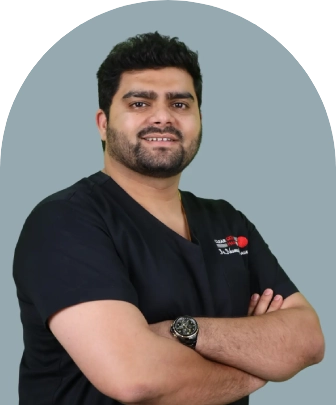
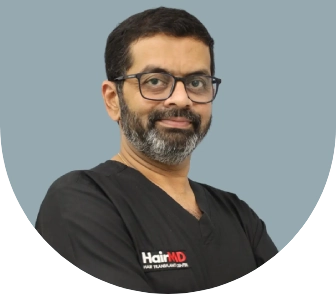
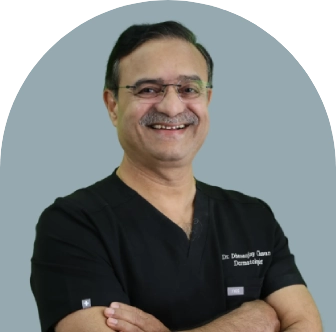
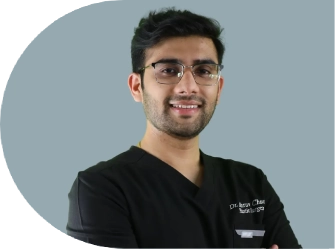
Meet Our Dermatologists

Conclusion
A successful hair transplant is an intricate blend of medical science, artistic design, and meticulous surgical execution. While factors like hairline design and graft count are important, the graft survival rate is the absolute foundation of your success. If the grafts do not live, nothing else matters.
By choosing a clinic that employs advanced preservation solutions, precise extraction tools, and “no-touch” implantation techniques, you are actively protecting your investment and your appearance.
Your donor hair is precious. Entrust it to the specialists who prioritise its survival above all else.
Ensure the success of your hair restoration journey. Visit HairMD Clinic Pune today for a comprehensive consultation and a personalised treatment plan designed for maximum graft survival.
Further Reading
How to Prevent Hair Loss: The Ultimate Guide
Explore the ultimate guide to preventing hair loss and maintaining healthy, strong hair.
PRP Pre & Post Care Protocol | HairMD Pune
PRP for alopecia areata – what the research says about regrowth, how it compares to other options, and when it may help, from HairMD Pune.
PRP for Alopecia Areata: What Research Says
PRP for alopecia areata – what the research says about regrowth, how it compares to other options, and when it may help, from HairMD Pune.
Do Dermatologists Recommend Inositol and Choline for Hair Loss?
Discover the potential of inositol and choline for hair loss. Learn how these nutrients may benefit follicle health & prevent thinning.
Have thoughts? Please let us know
We are committed not only to treating you, but also educating you.