



Written by HairMD Content Team | Medically Reviewed by Dr. Dhanraj Chavan On April 21, 2026


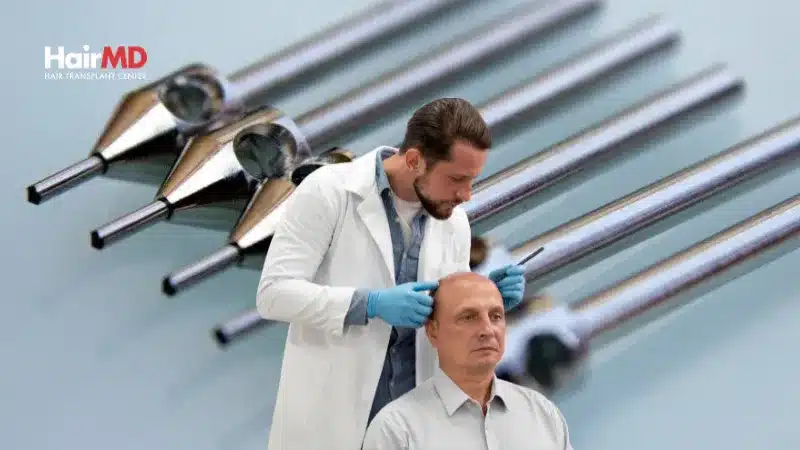
You have finally decided to take the leap and restore your hair. You start researching clinics, reading reviews, and exploring the medical details of a hair transplant. Almost immediately, you hit a confusing roadblock. Forums and websites are filled with intense debates about hair transplant techniques, specifically arguing over manual FUE vs motorized FUE.
Some sources claim that a manual approach is the only way to guarantee safe graft survival. Others insist that motorized extraction is the modern standard, offering faster and better results. As a patient, this conflicting information can leave you feeling overwhelmed and anxious about making the wrong choice for your scalp.
When it comes to restoring your hair, absolute clarity is essential. As a leading hair transplant clinic Pune trusts, we guide patients through this exact dilemma every day. At HairMD Clinic Pune, we believe that an informed patient makes the best decisions. In this comprehensive guide, we will break down the science behind Follicular Unit Extraction (FUE), compare manual and motorized tools, and finally answer the most important question: does the tool actually matter more than the surgeon holding it?
What’s covered in the article?
- What Is FUE Hair Transplant?
- What Is Manual FUE?
- What Is Motorized FUE?
- Manual vs Motorized FUE: Key Differences
- Does the Tool Matter in Hair Transplant?
- Pros and Cons of Manual FUE
- Pros and Cons of Motorized FUE
- Which Technique Is Right for You?
- What Actually Affects Hair Transplant Results?
- What to Expect During the Procedure?
- Recovery and Results Timeline
- Why Choose HairMD Clinic Pune?
- Things Most Patients Don’t Know
- Frequently Asked Questions
- Conclusion
What Is FUE Hair Transplant?
Individual hair follicles (called follicular units) are extracted one by one from a donor area—usually the back or sides of the scalp—and then implanted into bald or thinning areas.
How Hair Grafts Are Extracted and Implanted
During an FUE procedure, the surgeon extracts individual hair follicles directly from your “donor area” (usually the back and sides of the scalp, where hair is genetically resistant to balding). We use a specialised micro-punch tool to carefully isolate and remove each follicular unit one by one.
Once extracted, these delicate grafts are preserved in a chilled, nutrient-rich solution. The surgeon then creates microscopic recipient sites in the balding areas and meticulously implants the grafts at the exact angle, depth, and direction of your natural hair growth.
It is a Preferred Hair Transplant Technique
because it balances natural results, safety, and patient comfort better than older methods. (FUE)
why doctors choose it?
- No Linear Scar
- Faster Healing & Recovery
- Less Pain & Minimally Invasive
- Natural-Looking Results
- Flexibility in the Donor Area
- Lower Risk of Complications
What Is Manual FUE?
Manual FUE refers to the original method of extracting hair follicles. It relies entirely on the physical movement and control of the surgeon’s hand.
How Graft Extraction Is Done Manually?
The surgeon uses a handheld, pen-like instrument equipped with a hollow micro-punch (usually between 0.7mm and 1.0mm in diameter). To isolate the hair follicle, the surgeon places the punch over the hair and manually twists the instrument back and forth using their thumb and index finger. This twisting motion cuts the tissue around the follicle, allowing it to be safely plucked out.
Role of Surgeon Skill
This method relies heavily on tactile feedback. The surgeon can physically feel the resistance of the skin and the tissue density as the punch goes in.
Precision and Control Advantages
Because the speed and depth are controlled entirely by the human hand, manual FUE offers exceptional precision. It allows the surgeon to make micro-adjustments on the fly, which is highly beneficial when navigating complex hair angles or dealing with sensitive scalp tissue.
What Is Motorized FUE?
Motorised FUE is a technological evolution designed to increase the efficiency of the extraction phase.
Use of Motorized Punch Device
Instead of the surgeon twisting the punch by hand, a motorized FUE hair transplant uses an automated micromotor. The micro-punch is attached to a handpiece that rotates or oscillates automatically at a pre-set speed.
Faster Extraction Process
Because the machine handles the rotational cutting motion, the extraction process is significantly faster. The surgeon guides the spinning punch over the hair follicle, and the motor does the physical cutting work.
How It Differs Technically from Manual FUE?
The primary technical difference is the source of the mechanical energy. In manual FUE, the surgeon’s wrist and fingers generate the twisting motion. In motorized FUE, an electric motor generates a continuous or oscillating rotation. This reduces the physical fatigue experienced by the surgeon during long procedures.
Manual FUE vs Motorised FUE: Key Differences
To help you easily digest the distinctions between these two methods, we have created a comprehensive comparison table outlining the key differences:
|
Factor |
Manual FUE |
Motorized FUE |
|
Technique |
Performed completely by the doctor’s hand |
Machine-assisted extraction technique |
|
Precision |
Very high (tactile feedback allows micro-adjustments) |
High (depends on surgeon’s control over the device) |
|
Control |
Full control over depth, angle, and rotation |
Surgeon controls depth & angle, rotation handled by device |
|
Speed |
Slower (typically 1,500–2,000 grafts/day) |
Faster (3,000+ grafts/day possible) |
|
Graft Survival Rate |
Excellent (minimal heat & friction) |
Excellent (with modern low-speed devices) |
|
Damage Risk |
Very low (minimal transection with skilled hands) |
Moderate (if done aggressively or at high speed) |
|
Best Use Case |
Curly hair, fragile donor area, small sessions |
Large bald areas, straight/wavy hair |
|
Hairline Design |
Ideal for highly natural hairline creation |
Good, but depends more on planning than extraction |
|
Graft Handling |
Minimal trauma to hair roots |
Slightly higher mechanical stress possible |
|
Consistency |
Depends on surgeon expertise |
More consistent extraction speed |
|
Procedure Time |
Takes more time |
Shorter procedure duration |
|
Cost |
Usually higher (skill + time-intensive) |
More affordable option |
Additional Key Points
Manual FUE
- Performed completely by the doctor’s hand
- High precision and superior control
- Best suited for natural hairline design
- Minimal damage to hair roots
- Takes more time but offers refined results
Motorized FUE
- Machine-assisted technique
- Faster procedure and reduced surgery time
- Ideal for larger bald areas
- Provides consistent graft extraction
- More affordable compared to manual FUE
Does the Tool Really Matter in Hair Transplant?
This is the core question that causes patients the most anxiety. When discussing manual vs motorized hair transplant methods, internet forums often frame it as a battle where one tool is “good” and the other is “bad.”
Surgeon Expertise Matters More Than the Tool
As experienced medical professionals, we can tell you definitively: the tool does not perform the hair transplant; the surgeon does. A high-quality motorized punch in the hands of an inexperienced technician will yield disastrous results, severely damaging your donor area. Conversely, a master surgeon can achieve flawless, dense hair growth using either a manual or a motorized punch.
Tool is Secondary; Technique and Planning are Primary
The micro-punch is merely an instrument. It cannot design a natural-looking hairline. It cannot determine the exact angle at which a hair should be implanted. It cannot ensure that the grafts are kept hydrated and safe while they are outside the body. These critical factors rely entirely on the medical expertise and aesthetic vision of the clinical team.
At HairMD Clinic Pune, we assess your unique scalp biology first. We balance both perspectives, choosing the extraction method that perfectly aligns with your specific hair characteristics and graft requirements.
Pros and Cons of Manual FUE
Understanding the specific strengths and limitations of the manual method helps you set realistic expectations.
Manual FUE is widely preferred in cases where precision matters more than speed.
- Superior tactile feedback
The surgeon can feel resistance during extraction, which significantly reduces the chances of cutting or damaging follicles. - Complete control over extraction
The doctor manually controls depth, angle, and direction, allowing highly customised graft harvesting. - Minimal damage to hair follicles
No motor or heat generation means lower risk of trauma to the grafts. - Gentle extraction improves long-term growth
Healthier grafts typically translate into better survival rate and natural regrowth. - Best for natural hairline design
Ideal when detailed work is required, especially in the front hairline zone. - Excellent for complex hair types
Works very well for curly hair, Afro-textured hair, and angled follicles under the skin. - Useful in difficult areas
Particularly beneficial in scarred scalp or uneven donor areas, where precision is critical.
Limitations
- Time-consuming procedure
Since every graft is extracted manually, the process is slower and physically demanding. - Limited number of grafts per session
Typically 1,500 to 2,000 grafts per day, meaning larger cases may require multiple sessions. - Highly dependent on surgeon’s expertise
Results vary significantly based on the doctor’s skill, experience, and stamina. - Usually slightly more expensive
Due to time, effort, and precision involved, the cost is often higher compared to motorized methods.
Pros and Cons of Motorized FUE
Motorized extraction has become the global standard for a reason, but it must be used responsibly.
Advantages
- Highly efficient extraction
Speeds up the process, reducing the time grafts remain outside the body, which supports better survival. - Higher graft yield in a single session
Ideal for patients needing 3,000–4,000+ grafts, avoiding multiple-day procedures. - Faster procedure, less patient fatigue
Shorter surgery time means greater comfort, especially during long sessions. - Quick extraction with motorized punch
Particularly useful in large bald areas where volume is required. - Suitable for high-density coverage
Helps achieve broader coverage in fewer sittings. - Reduces physical strain on the surgeon
Maintains consistency and efficiency during extended procedures. - More cost-effective option
Generally slightly more affordable than manual techniques due to reduced time.
Limitations
- Less tactile control compared to manual FUE
The machine controls rotation, so the surgeon relies more on visual judgment. - Higher risk of follicle damage (if not done properly)
In inexperienced hands, faster movement can increase transection rates. - Heat and mechanical trauma risk
High-speed devices can generate frictional heat.
However, modern clinics use low-speed, oscillating systems to minimise this risk. - Requires high surgical skill
Precision still depends heavily on the doctor’s coordination and experience. - Limited in difficult extraction angles
Can be challenging in curly hair, scarred scalp, or sharply angled follicles.
Looking for the safest extraction method for your hair type? Contact HairMD Clinic Pune for a comprehensive scalp assessment.
Which Technique Is Better for You?
We do not believe in a one-size-fits-all approach. The best hair transplant technique for you depends on several highly personal factors:
Hair Type
If you have very fine, straight, or mildly wavy hair, motorized FUE is exceptionally efficient and safe. If you have very tightly curled hair, a manual punch might be necessary to carefully navigate the curved follicles beneath the skin.
Donor Area Condition
If your donor area is already depleted from previous surgeries, or if the skin is unusually soft or fragile, manual FUE offers the delicate touch needed to safely harvest the remaining grafts.
Extent of Hair Loss
If you have advanced baldness and need a massive number of grafts (3,500+) to achieve coverage, motorized FUE is the most practical choice to complete the procedure safely within one day.
Personal Expectations
During your consultation, we discuss your goals, your available time for surgery, and your budget to help guide you toward the most appropriate technique.
What Affects Hair Transplant Results More Than the Tool?
Do not focus only on whether Manual or Motorized FUE is used, because the final result depends much more on overall planning and execution. The most important factor is surgeon experience, as a skilled doctor can select healthy follicles, extract them safely, and preserve the donor area without overharvesting. Graft handling is equally critical since follicles must be properly chilled, hydrated, and implanted quickly to survive. Hairline design plays a major role in natural results, requiring careful placement of single-hair grafts with irregular patterns and correct angles. Post-transplant care also affects outcomes, as proper washing, sleep positioning, and medications help grafts settle and grow effectively. In addition, clinic setup and protocols ensure safety and consistency through strict hygiene, a trained team, and standardised procedures. Lastly, patient selection and expectations matter, as realistic goals, correct technique choice, and proper medical evaluation ensure long-term satisfaction.
Key Factors at a Glance:
- Surgeon experience and technique
- Graft handling and preservation
- Natural hairline design
- Post-transplant care compliance
- Clinic hygiene, team, and protocols
- Patient selection and realistic expectations
What to Expect During the Procedure?
Understanding the process makes the experience much easier and stress-free. Here’s a simple breakdown of what happens:
Before the Procedure
- Consultation and scalp analysis to check hair loss and donor area
- Hairline design discussion based on your face and expectations
- Blood tests and physician fitness check
- Instructions like avoiding alcohol and smoking before surgery
1. Consultation
The doctor examines your scalp using advanced tools to check hair density, thickness, and scalp condition. This helps decide how many grafts you need and which technique is best.
2. Planning
On the day of the procedure, your new hairline is designed and marked. The doctor plans where each graft will go to ensure natural-looking results.
3. Extraction
You are given local anaesthesia, so there is no pain. Hair follicles are carefully taken from the back of your scalp using manual or motorized FUE.
4. Implantation
The extracted grafts are placed in the thinning areas using precise techniques. The doctor ensures correct angle, direction, and density for a natural look.
Final Note
The procedure is safe, comfortable, and well-planned. Each step is done carefully to give you natural and long-lasting results.
Recovery and Results Timeline
Patience is a prerequisite for any hair restoration journey. Here is a realistic timeline of your recovery and hair growth:
Healing Stages
The tiny micro-wounds in the donor area heal rapidly, usually within 48 to 72 hours. The implanted grafts will develop small scabs that naturally dry up and fall off within 7 to 10 days.
Shedding Phase
About 2 to 4 weeks after the procedure, the transplanted hair shafts will shed. This is a completely normal biological response known as “shock loss.” The actual root remains safely embedded beneath the skin.
Regrowth Timeline
The new, permanent hairs will begin to sprout around month three or four. You will see significant cosmetic improvement by month six, with final, dense results fully visible between 10 to 12 months post-surgery.
Why Patients Choose HairMD Clinic Pune?
Your scalp is not something to experiment with. The success of your FUE hair transplant depends largely on the expertise, protocols, and ethics of the clinic you choose. At HairMD Clinic Pune, every step is focused on safety, precision, and long-term results.
Experienced Hair Specialists
HairMD Clinic Pune is led by qualified, board-certified dermatologists and hair transplant surgeons.
- Treatment is guided only by doctors, not delegated to unqualified technicians
- Strong clinical expertise ensures safe extraction and natural implantation
Advanced FUE Techniques
We are equipped with both manual and modern low-oscillation motorized FUE systems.
- Use of US-FDA approved equipment and treatments
- Latest global techniques for better graft survival and safety
Customised Treatment Planning
Every patient is different, and so is every treatment plan.
- Detailed scalp and donor area analysis
- Personalised approach, not package-based treatments
- Focus on correct technique selection based on your hair type
Focus on Quality Over Quantity
We prioritise how well grafts are handled, not just how many are extracted.
- High focus on graft quality and survival
- Careful planning to avoid overharvesting
- Ensures better density and natural outcomes
Proven Natural-Looking Results
Our goal is not just hair growth, but confidence.
- High patient satisfaction with natural-looking results
- Hairlines designed to suit facial features
- Results that look natural even years later
Long-Term Hair Health Approach
We don’t believe in quick fixes.
- Focus on long-term hair stability and maintenance
- Combination of medical and surgical planning when needed
Safety & Ethics First
Everything we do is guided by strict medical standards.
- Sterile environment and standardised protocols
- Transparent consultations and realistic expectations
- Ethical practice with patient safety as top priority
Ready to restore your hair and your confidence? Book a consultation with HairMD Clinic Pune today to discover your customised hair restoration plan.
Things Most Patients Don’t Know
Patient education is a core pillar of our practice. To help you navigate your hair restoration journey, here are a few insider insights regarding FUE:
- The Tool Alone Does Not Guarantee Results: A premium motorized punch does not automatically grant a surgeon the aesthetic skill to design a natural hairline. Focus on the doctor’s before-and-after portfolio, not just their equipment list.
- Overharvesting Risks: Whether using a manual or motorized punch, extracting too many grafts from a small area will leave the back of your head looking patchy and thin. A skilled surgeon knows exactly how to space out the extractions to preserve your donor area’s natural appearance.
- Importance of Natural Hairline Design: The front of your hairline should only contain grafts with a single hair. Multi-hair grafts should be placed further back for density. Placing a thick, 3-hair graft at the very front creates a harsh, unnatural look that gives the transplant away instantly.
Ready to take the first step towards correcting your hair transplant?
Book a private consultation at HairMD in Pune or Pimpri Chinchwad. Let’s discuss your case and build a strategy to achieve the natural result you always wanted.
Frequently Asked Questions
- Is manual FUE less painful than motorized FUE?
No, neither procedure is painful. Before the extraction begins, we administer a highly effective local anaesthesia to your scalp. You will remain completely numb and comfortable, regardless of which tool the surgeon uses to extract the grafts. - Does a motorized punch cause more scarring?
When used correctly by an experienced surgeon, modern motorized punches (which use a low-speed oscillating motion rather than a continuous high-speed rotation) cause no more scarring than a manual punch. Both methods leave tiny, virtually invisible micro-scars. - Which technique provides a better graft survival rate?
Both techniques yield exceptional survival rates (often above 95%) when performed by a skilled medical team. The survival rate is influenced far more by how the grafts are hydrated and handled outside the body than by the specific punch tool used to extract them. - How long does a manual FUE hair transplant take?
Because the surgeon must manually twist the punch for every single follicle, manual FUE is significantly slower. A session of 1,500 to 2,000 grafts can easily take 8 to 10 hours. Larger sessions require multiple days. - Why do some clinics only offer motorized FUE?
Motorized FUE allows clinics to safely extract larger numbers of grafts in a single day, making the procedure more efficient for both the clinical team and the patient. It requires less physical exertion from the surgeon, allowing them to maintain peak concentration during long procedures. - Can I request a specific FUE hair transplant method?
You can certainly express a preference during your consultation. However, we strongly advise trusting your surgeon’s clinical recommendation. The dermatologist will select the best hair transplant technique based on your specific hair type, scalp elasticity, and the required graft count. - Why should I choose HairMD Clinic Pune for my procedure?
HairMD Clinic Pune offers a unique combination of highly experienced board-certified dermatologists, state-of-the-art diagnostic tools, and access to premium FUE technologies. We provide honest, patient-centric care designed to deliver the safest and most natural-looking results possible.
DO YOU KNOW?
Nearly 250 Patients Visit HairMD
Everyday For Various Hair Concerns
(15+ Years Of Expertise. 4157+ Successful Hair Transplant)
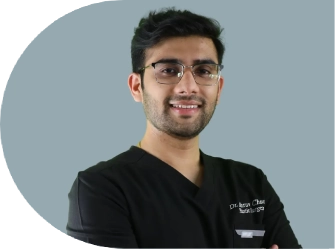
Meet Our Dermatologists

Conclusion
The intense debate over manual FUE vs motorized FUE often distracts patients from what truly matters. Both are highly effective, scientifically validated tools in the field of hair restoration.
If you require absolute delicacy for complex, tightly curled hair, manual FUE provides unparalleled tactile feedback. If you require a large number of grafts and want to minimise the time your follicles spend outside your body, modern motorized FUE is the ultimate solution. Ultimately, the safety of your donor area and the natural density of your final result depend entirely on the medical expertise, artistic vision, and steady hand of your chosen surgeon.
Do not let internet debates delay your hair restoration journey. Seek verified, professional medical advice to find out exactly what your scalp needs.
Take the guesswork out of your hair transplant. Consult HairMD Clinic Pune today for a personalised hair transplant evaluation and take the first step toward permanent, natural hair growth.
Further Reading
Does Cold Water Really Help Your Hair? Separating Fact From Myth
You’ve heard that rinsing with cold water makes hair shinier and stronger.
What Should I Do About Dandruff and Scalp Issues?
Dandruff, seborrheic dermatitis, scalp psoriasis, and dry scalp, they look similar but need different treatments. HairMD dermatologists explain how to identify each and what actually works.
Does Heat Damage Really Ruin Your Hair? The Science Explained
Yes, heat damage is real, and mostly permanent. HairMD explains exactly how heat ruins hair at the structural level, at what temperatures damage occurs, and how to minimise it without giving up styling.
How to Get Healthier Hair Without Expensive Treatments?
You don’t need expensive salon treatments for healthier hair. HairMD dermatologists explain what actually improves hair health, from diet and scalp care to habits that protect hair from daily damage.
Have thoughts? Please let us know
We are committed not only to treating you, but also educating you.