

PRP Safety: Side Effects and Who Should Avoid It?


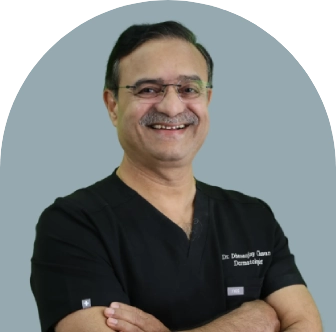
Written by HairMD Content Team | Medically Reviewed by Dr. Dhanraj Chavan On August 18, 2026



PRP therapy is a non-surgical hair loss treatment that uses a concentrate of your own blood platelets to stimulate resting hair follicles. Because the injected material comes from your own body, PRP is one of the safer hair treatments available, with no risk of an allergic reaction or disease passed from a donor. That said, safe does not mean risk-free or right for everyone.
This guide gives an honest picture of the real side effects of PRP, the rare risks worth knowing, and the specific groups of people who should avoid it or wait, based on how Dr. Dhanraj Chavan screens patients at HairMD India in Pune.
What’s covered in the article?
- Key Takeaways
- Key Facts About PRP Safety
- What Makes PRP a Low-Risk Treatment?
- Common Side Effects of PRP
- Rare and Serious Risks
- Temporary Shedding After PRP
- Who Should Avoid or Postpone PRP?
- How HairMD India Keeps PRP Safe
- Aftercare and When to Call a Doctor?
- What Results and Safety Look Like Together?
- As Verified By
- Conclusion
- Frequently Asked Questions
Key Takeaways
- PRP uses your own blood, so there is no risk of allergy or disease transmission from a donor.
- Most PRP side effects are mild and short-lived: scalp tenderness, redness, swelling, light bruising, or a mild headache.
- Serious complications are rare and are usually linked to poor technique or unsterile conditions.
- PRP is not suitable for people with certain blood disorders, active infections, or some chronic illnesses.
- A brief, temporary increase in shedding can happen in the first weeks before regrowth begins.
- Honest expectation: PRP supports hair growth, it is not a guaranteed cure, and results vary between people.
- At HairMD India, Dr. Dhanraj Chavan reviews each patient’s health before recommending PRP.
-
Key Facts About PRP Safety
| Attribute | Detail |
|---|---|
| Source of material | The patient’s own blood (autologous), so no donor risk |
| Most common side effect | Mild pain or tenderness at the injection site |
| Typical recovery | Redness and soreness settle within hours to a few days |
| Serious risk level | Low, mainly infection risk if sterility is poor |
| Main groups to avoid it | Blood disorders, active infection, some cancers, uncontrolled illness |
| Anaesthesia used | Usually none or only topical numbing |
| Sessions in a course | Commonly 3 to 6, spaced a few weeks apart |
| Reviewed by | Dr. Dhanraj Chavan, MD Dermatology, HairMD India Pune |
What Makes PRP a Low-Risk Treatment?
PRP earns its safety reputation from one simple fact: it is made from your own blood. A small sample is drawn, spun in a centrifuge to concentrate the platelets, and the resulting plasma is injected back into your scalp. Because nothing foreign is introduced, there is no chance of an allergic reaction to a donor product and no risk of catching a blood-borne infection from someone else. This is a genuine advantage over treatments that rely on outside substances.
The procedure is also minimally invasive. It uses fine needles rather than surgery, needs no general anaesthesia, and usually takes under an hour in the clinic. Most people walk out and return to their day with only minor soreness. These features are why PRP is widely considered a well-tolerated option, and you can read more about whether PRP therapy is right for you in our candidacy guide.
Common Side Effects of PRP
The everyday side effects of PRP are mild, expected, and short-lived. The most common is tenderness or a mild aching at the injection sites, because the scalp has been punctured many times with a needle. Alongside this, people often notice temporary redness, slight swelling, pinpoint bruising, or a feeling of tightness across the scalp. A mild headache on the day of treatment is also fairly common.
These effects usually fade within a few hours to a couple of days and rarely need more than a cold compress or a simple pain reliever. Research backs this up: reviews of PRP for hair loss report that injection-site pain is the main side effect and that it settles once the sessions are complete. If you want a fuller picture of what treatment feels like, our PRP for hair fall question-and-answer guide walks through the process step by step.
Rare and Serious Risks
Serious problems from PRP are uncommon, but honesty means naming them. The main serious risk is infection, which can occur if the scalp or equipment is not kept sterile, so clinic hygiene matters enormously. Very rarely, the needle can irritate a nerve or small blood vessel, leading to longer-lasting pain, numbness, or bruising in one area. There is also the non-medical risk of disappointment, since PRP does not work for everyone.
Technique and preparation make a measurable difference to this risk. Evidence suggests that how the plasma is prepared affects tolerance, with some studies finding that non-activated PRP is linked to more side effects than properly activated PRP. This is exactly why the treatment should be carried out by trained medical professionals rather than at a low-cost, unregulated setup. Choosing a proper clinic is the single biggest thing a patient can do to keep PRP safe.
Temporary Shedding After PRP
One effect that alarms people, even though it is usually harmless, is a short burst of extra shedding in the first few weeks after starting PRP. This can feel like the opposite of what you paid for, but it often reflects the hair cycle resetting as weaker hairs are pushed out to make room for stronger regrowth. It is broadly similar to the shedding seen when other hair treatments first stimulate the follicles.
This shedding phase is temporary and does not mean the treatment is failing. In most people it settles within a month or two, followed by the gradual thickening that PRP aims for. Knowing this in advance prevents an unnecessary scare, and it is one reason we set clear expectations about the PRP results timeline month by month before treatment begins.
Who Should Avoid or Postpone PRP?
PRP is safe for most people, but there are clear situations where a doctor may advise against it or ask you to wait. These are not reasons to worry, they are reasons to be assessed properly first. The groups below should discuss their history in detail before any PRP is planned.
- Blood and platelet disorders. A low platelet count, platelet dysfunction, or a clotting disorder can make PRP both less effective and less safe, since the treatment depends on healthy platelets.
- People on blood-thinning medicines. Anticoagulants may need review by the prescribing doctor before treatment, as they affect bleeding and platelet activity.
- Active infection at the site or in the body. An infected or inflamed scalp, or a systemic infection such as sepsis, is a reason to postpone until it clears.
- Certain cancers. Active or uncontrolled cancer, particularly blood cancers, is generally a reason to avoid PRP, and a specialist should guide the decision.
- Uncontrolled chronic illness. Poorly controlled diabetes, liver disease, or other unstable conditions can raise risk and reduce benefit.
- Pregnancy and breastfeeding. PRP is usually postponed as a sensible precaution, since it has not been well studied in these groups.
A 2025 international consensus on PRP injections highlights infectious, cancer-related, and blood-related conditions as the key comorbidities that affect both the safety and the composition of PRP. This is why a full health check is not a formality but a real safeguard.

How HairMD India Keeps PRP Safe
At HairMD India, safety starts before a single needle is prepared. Every patient is screened for the conditions listed above, asked about medicines and past reactions, and assessed to confirm that PRP is genuinely suitable for their type of hair loss. Dr. Dhanraj Chavan reviews this picture personally, so that people who would be better served by another option are guided there rather than pushed into treatment.
During the procedure, sterile technique and correct plasma preparation are treated as non-negotiable, because these are the factors that separate safe PRP from risky PRP. Care is delivered across HairMD India’s Pune locations, including Pune Station, Baner, Kharadi, Prabhat Road, Pimple Saudagar, and NIBM, so follow-up through a full course stays convenient. For patients comparing options, our overview of modern hair loss treatments including GFC and PRP helps set realistic expectations
Aftercare and When to Call a Doctor?
Good aftercare keeps the small risks small. For the first day, it is best to avoid touching or scratching the scalp, skip harsh hair products, and stay away from strenuous exercise, saunas, alcohol, and smoking, all of which can aggravate the treated area. Gentle handling and normal, mild shampoo from the next day are usually all that is needed.
It is also worth knowing the warning signs that deserve a call to the clinic. Spreading redness, pus or discharge, a fever, or pain that worsens instead of easing over a few days are not typical and should be checked promptly. These events are rare, but acting early keeps them minor. Understanding both the benefits of platelet-rich plasma for hair loss and these safety signals gives patients a balanced, realistic view.
What Results and Safety Look Like Together?
PRP is designed as a course rather than a one-off, usually three to six sessions a few weeks apart, followed by occasional maintenance. Because it uses your own blood, it can be safely repeated over time, which is part of what makes it a practical long-term support for thinning hair. Its safety and its modest, gradual results go hand in hand.
Setting honest expectations is part of safe care. PRP works best as a support for hair you still have, not as a rescue for areas that are already bald, and outcomes vary with the cause and stage of hair loss. Our guides to the success rate of PRP therapy and PRP for female pattern hair loss give a realistic sense of what is achievable, and where PRP fits within a wider plan for hair loss causes and prevention.
As Verified By
The safety points in this article align with a systematic review of PRP efficacy and safety in alopecia, a 2025 international consensus on the contraindications to PRP injections, a review of PRP in androgenetic alopecia, a clinical evaluation of PRP for pattern hair loss, a case series on PRP safety, and a patient overview of PRP for hair loss.
Conclusion
PRP is a genuinely low-risk hair treatment, with side effects that are usually mild and short-lived and serious complications that are rare in trained hands. The honest caveats are that it is not for everyone, it carries a small infection risk that good technique controls, and its results are supportive rather than guaranteed.
The safest path is a proper health assessment before you start. If you are considering PRP, Dr. Dhanraj Chavan and the team at HairMD India can check whether it suits you and plan it safely. Book a consultation with HairMD India in Pune to find out.
Frequently Asked Questions
Is PRP therapy for hair loss safe?
For most people, PRP is considered a safe treatment because it uses your own blood, which removes the risk of allergy or disease from a donor. Side effects are usually mild and temporary, and serious problems are rare when the procedure is done by trained professionals in sterile conditions. Safety still depends on a proper health check first, since a small number of people are not suitable candidates.
What are the most common side effects of PRP?
The most common side effects are tenderness or mild pain at the injection sites, along with temporary redness, slight swelling, pinpoint bruising, or a mild headache on the day. These effects come from the needle work rather than the plasma itself and usually settle within a few hours to a couple of days. A cold compress or a simple pain reliever is normally all that is needed.
Who should not get PRP for hair loss?
PRP is generally avoided or postponed for people with blood or platelet disorders, those on blood thinners without review, and anyone with an active infection at the site or in the body. It is also usually avoided in active cancer, poorly controlled chronic illness, and during pregnancy or breastfeeding. A doctor should assess your full medical history before deciding, which is why screening matters so much.
Does PRP hurt?
PRP involves multiple small injections into the scalp, so some discomfort is normal, but it is usually mild and brief. Most clinics use a topical numbing cream or cooling to make it more comfortable, and the soreness that follows tends to fade within a day. Pain levels vary from person to person, but the vast majority of patients tolerate the sessions well without any lasting discomfort.
Can PRP make hair loss worse?
PRP does not cause permanent hair loss, but some people notice a short burst of extra shedding in the first few weeks. This is usually the hair cycle resetting as weaker hairs make way for stronger regrowth, and it settles within a month or two. It can feel worrying at the time, so it helps to expect it, and it is not a sign that the treatment has failed.
How soon can I return to normal activities after PRP?
Most people return to normal daily activities the same day, since PRP needs no general anaesthesia and involves no surgery. It is best to avoid strenuous exercise, saunas, alcohol, and smoking for about a day, and to be gentle with the scalp. Any redness or soreness usually clears within a day or two, after which normal hair care and routines can resume.
DO YOU KNOW?
Nearly 250 Patients Visit HairMD
Everyday For Various Hair Concerns
(15+ Years Of Expertise. 4157+ Successful Hair Transplant)
Meet Our Dermatologists

Further Reading
How to Prevent Hair Loss: The Ultimate Guide
Explore the ultimate guide to preventing hair loss and maintaining healthy, strong hair.
PRP Pre & Post Care Protocol | HairMD Pune
PRP for alopecia areata – what the research says about regrowth, how it compares to other options, and when it may help, from HairMD Pune.
PRP for Alopecia Areata: What Research Says
PRP for alopecia areata – what the research says about regrowth, how it compares to other options, and when it may help, from HairMD Pune.
Do Dermatologists Recommend Inositol and Choline for Hair Loss?
Discover the potential of inositol and choline for hair loss. Learn how these nutrients may benefit follicle health & prevent thinning.
Have thoughts? Please let us know
We are committed not only to treating you, but also educating you.