

Scalp Microbiome and Hair Growth: What Dermatologists Know?


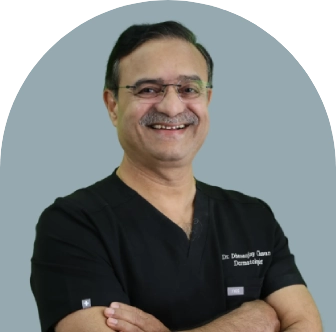
Written by HairMD Content Team | Medically Reviewed by Dr. Dhanraj Chavan On March 31, 2026


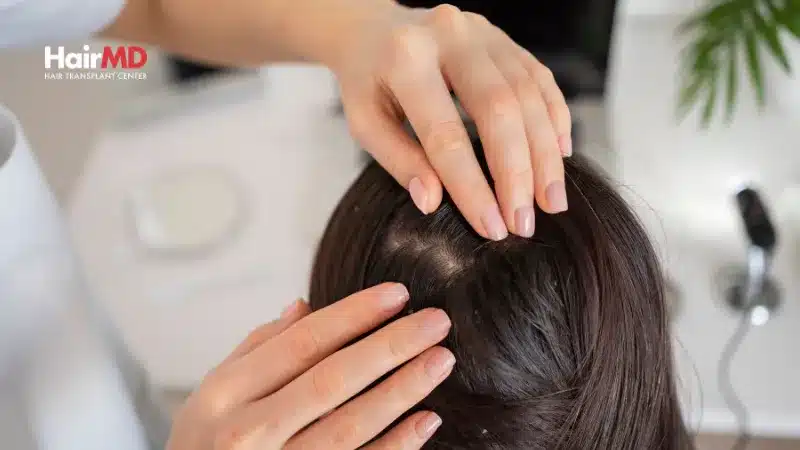
Your hair products are not failing you — your scalp ecosystem might be. An invisible imbalance of bacteria and fungi can silently inflame follicles, trigger excessive shedding, and undo months of hair care efforts — all before a single strand visibly thins.
Here is what dermatologists now know about restoring that balance and regrowing healthy hair from the root up.
Experiencing a persistently itchy, flaky, or tender scalp is more than just a minor annoyance; it can be a primary factor driving unexplained hair shedding. Many individuals struggling with thinning hair search endlessly for serums and vitamins, completely overlooking the foundation of their hair: the scalp.
Dermatologists now understand that an invisible ecosystem of bacteria and fungi dictates the health of your hair follicles. If this delicate environment falls out of balance, your hair simply cannot thrive. This article explores the vital connection between the scalp microbiome and hair growth. You will learn what causes an imbalance, how to spot the early warning signs, and the highly effective medical treatments available to restore your scalp health and protect your hair.
The scalp microbiome is a complex community of bacteria and fungi living on your skin. When these microbes are perfectly balanced, they protect against infections and support a healthy hair growth cycle. However, when an imbalance occurs (dysbiosis), it causes severe inflammation that damages hair follicles, accelerates shedding, and disrupts new hair formation.
What’s covered in the article?
- Quick Summary
- What Is the Scalp Microbiome and How Does It Affect Hair Growth?
- What Causes an Imbalanced Scalp Microbiome?
- Early Warning Signs of a Scalp Microbiome Disruption
- How Dermatologists Diagnose Scalp Microbiome Imbalances?
- Where to Find a Trusted Hair Specialist in Pune?
- Scalp Treatment Options Available in Pune
- How to Prevent Scalp Microbiome Imbalance Long-Term?
- How Long Does Scalp Microbiome Treatment Take to Work?
- Frequently Asked Questions
- Conclusion
Quick Summary
- The Ecosystem: What the scalp microbiome is and how it functions.
- The Triggers: Common habits, products, and environmental factors that destroy scalp balance.
- Warning Signs: How to distinguish between normal dandruff and a severe microbiome disruption.
- Medical Diagnosis: The specific tools dermatologists use to examine your scalp.
- Expert Care: Where to find a trusted Hair Specialist in Pune for proper evaluation.
- Treatment Options: Effective therapies, including advanced HairMD scalp treatment Pune solutions.
What Is the Scalp Microbiome and How Does It Affect Hair Growth?
Your skin is home to trillions of microorganisms, and your scalp hosts a particularly unique ecosystem. This environment, known as the scalp microbiome, is densely populated with specific bacteria (like Staphylococcus epidermidis and Cutibacterium acnes) and fungi (primarily the Malassezia species).
Because your scalp contains numerous hair follicles and highly active sebaceous (oil) glands, it provides a warm, nutrient-rich habitat for these microbes. When you are healthy, these microorganisms live in a symbiotic relationship with you.
They consume the natural oils your scalp produces and, in return, produce beneficial compounds that lower the scalp’s pH level. This slightly acidic environment acts as an invisible shield, preventing harmful, infection-causing pathogens from taking root.
The connection between the scalp microbiome and hair growth is profound. A balanced microbiome keeps the skin barrier strong and free from severe inflammation. Your hair follicles reside deep within this skin tissue.
When the surface is healthy, the follicles receive uninterrupted blood flow and nutrients, allowing them to remain in the active growth phase (anagen) for years. However, when the microbiome balance tips, the resulting inflammation travels down into the follicle, forcing the hair into a premature resting and shedding phase.
What Causes an Imbalanced Scalp Microbiome?
An imbalance in this delicate ecosystem is medically known as dysbiosis. Several internal and external factors can trigger this disruption, allowing certain fungal or bacterial populations to multiply out of control while beneficial microbes die off.
Overwashing and Harsh Hair Care Products
Washing your hair too frequently or using shampoos loaded with harsh sulphates strips the scalp of its natural sebum. Since beneficial microbes rely on this oil for survival, stripping it away starves them. Conversely, leaving heavy, chemical-laden styling products on the scalp can trap dead skin cells and create an airtight environment where harmful, acne-causing bacteria thrive.
Environmental Stressors and Humidity
Your physical environment plays a massive role in scalp health. High humidity and excessive sweating create a damp environment that encourages the rapid overgrowth of Malassezia fungi. On the other hand, extreme cold and dry indoor heating can crack the skin barrier, inviting harmful bacteria to penetrate the scalp tissue.
Poor Diet and Systemic Health
Your microbiome is heavily influenced by what you eat. A diet high in refined sugars and heavily processed foods fuels inflammation throughout the body, including the scalp. Furthermore, high systemic stress levels trigger a spike in cortisol, a hormone that increases sebum production. This excess oil acts as an all-you-can-eat buffet for fungi, leading to severe imbalances.
The Misuse of Antibiotics
While oral antibiotics are sometimes necessary to treat infections, they do not discriminate between good and bad bacteria. Taking a prolonged course of antibiotics can wipe out the beneficial bacteria on your scalp, leaving a void that opportunistic fungi quickly fill.
Early Warning Signs of a Scalp Microbiome Disruption
Catching a microbiome imbalance early can save you from months of frustrating hair loss. The symptoms often start small but can quickly escalate if left unaddressed.
The most frequent early warning sign is persistent itching. You might find yourself scratching your head absentmindedly throughout the day. This is often accompanied by flaking. Unlike a mildly dry scalp, flaking caused by an overgrown microbiome usually features larger, yellowish, greasy flakes that stick to the hair shafts rather than falling off onto your shoulders.
As the imbalance worsens, you will likely notice physical changes to the skin on your head. The scalp may appear visibly red, irritated, or inflamed. Some individuals develop small, acne-like bumps around their hair follicles, a condition known as folliculitis. This indicates that bacteria have become trapped and are causing an active infection within the pore.
Finally, you will experience changes in your hair itself. The inflammation forces follicles into the shedding phase, resulting in a noticeable increase in daily hair fall. You may also find that your hair roots feel tender or even painful when you move your hair, a clear sign of deep follicular inflammation.
How Dermatologists Diagnose Scalp Microbiome Imbalances?
If you are experiencing itching, flaking, or shedding, guessing the cause and buying random drugstore shampoos will often make the problem worse. A professional diagnosis is essential to identify the exact nature of the imbalance.
Comprehensive Medical History Review
A consultation always begins with a detailed discussion. Your dermatologist will ask about your current hair care routine, the products you use, your diet, and your stress levels. They will also inquire about how long you have experienced the symptoms and whether you have noticed an increase in hair shedding.
Visual and Trichoscopic Examination
The core of the diagnosis is the physical examination. Your doctor will carefully part your hair to inspect the scalp surface. To get a microscopic view, they use a highly specialised tool called a dermatoscope. This technique, known as trichoscopy, magnifies the scalp up to 100 times. It allows the doctor to see the exact type of scaling, measure the degree of redness, and identify specific patterns of inflammation around individual hair follicles.
Swabbing and Fungal Cultures
In severe or stubborn cases where standard treatments have failed, the doctor may gently swab the affected area. This sample is sent to a laboratory to be cultured. A culture identifies the exact strains of bacteria or fungi causing the issue, allowing the doctor to prescribe highly targeted antimicrobial or antifungal medications.
Where to Find a Trusted Hair Specialist in Pune?
When dealing with complex scalp conditions that impact hair retention, you need guidance from a clinical expert. If you require an accurate diagnosis and an effective treatment plan, finding a highly qualified Hair Specialist in Pune is your best next step.
For those seeking exceptional care, HairMD Clinic Pune stands out as a premier destination for comprehensive hair and scalp health. Under the guidance of Dr Dhanraj Chavan, the clinic utilises advanced diagnostic tools to precisely evaluate your scalp microbiome.
Dr Chavan and his expert team understand that a healthy scalp is the absolute prerequisite for healthy hair. They do not just treat the shedding; they treat the underlying biological environment to ensure your follicles can thrive.
You can visit HairMD Clinic Pune to receive a completely customised scalp treatment Pune plan tailored to your specific fungal or bacterial imbalance.
Address: CII-5,, Shardaram Park, Sasoon Rd, Opposite Ruby Hospital, Central Excise Colony, Sangamvadi, Pune, Maharashtra 411001
Are you ready to stop the itch and protect your hair? Book a diagnostic consultation with Dr Dhanraj Chavan at HairMD Clinic Pune today, and take the first step towards a perfectly balanced scalp.
Available Scalp Treatment Options in Pune
Once your doctor has identified the specific nature of your microbiome imbalance, they will design a targeted treatment programme to restore harmony to your scalp.
Prescription Topical Therapies
The first line of defence usually involves specialised topical treatments.
- Antifungal Shampoos: If Malassezia overgrowth is the culprit, doctors prescribe medical-grade shampoos containing active ingredients like ketoconazole, ciclopirox, or selenium sulphide. These agents actively reduce fungal populations and quickly soothe the associated itching.
- Antibacterial Solutions: For bacterial imbalances causing folliculitis, targeted topical antibiotics or antibacterial washes are prescribed to clear the infection within the pores.
- Topical Corticosteroids: To rapidly calm severe inflammation and alleviate pain, a doctor may prescribe a short course of a topical steroid lotion or foam.
Advanced Clinical Scalp Treatments
Leading clinics offer specialised procedures to deeply cleanse and rejuvenate the scalp environment.
- Medical Scalp Peels: These gentle chemical exfoliation treatments remove stubborn build-up, dead skin cells, and hardened sebum, clearing the way for healthy follicles and topical medications to penetrate deeply.
- Platelet-Rich Plasma (PRP) Therapy: Once the active infection or overgrowth is cleared, PRP is often used to heal the damaged tissue. By injecting your own growth factor-rich platelets into the scalp, dermatologists can reduce residual inflammation and strongly stimulate the follicles to re-enter the active growth phase.
Oral Medications and Supplements
In severe cases that do not respond to topical treatments, oral antifungal or antibacterial medications may be necessary. Furthermore, your Hair Specialist may recommend specific probiotics designed to support skin and gut health, alongside nutritional supplements containing zinc and omega-3 fatty acids to lower systemic inflammation.
Prevention and Management Strategies for a Healthy Scalp Microbiome
Restoring your scalp microbiome is only half the battle; maintaining that balance is crucial for long-term hair health. A few simple adjustments to your daily routine can prevent dysbiosis from returning.
Firstly, re-evaluate your washing habits. Avoid washing your hair every single day, as this strips essential oils. When you do wash, use a mild, sulphate-free, pH-balanced shampoo. The scalp’s natural pH is around 5.5, and using products that respect this acidic mantle keeps harmful bacteria at bay. Always ensure you thoroughly rinse all shampoo and conditioner from your hair to prevent irritating product build-up.
Secondly, manage your moisture levels. If you sweat heavily during a workout, rinse your scalp with water soon afterwards to prevent fungi from feasting on the dampness. Conversely, if you live in a very dry climate, consider using a humidifier in your bedroom to prevent your skin barrier from cracking.
Finally, support your microbiome from the inside out. A diet rich in anti-inflammatory foods, such as leafy greens, berries, and fatty fish, supports overall skin health. Actively manage your stress levels through exercise or relaxation techniques to keep cortisol spikes—and excessive sebum production—under control.
How Long Does Scalp Microbiome Treatment Take to Work?
When treating a disrupted scalp microbiome, setting realistic expectations is vital. Healing biological tissue takes time.
If you strictly follow your prescribed medical treatments, you should experience a significant reduction in itching, redness, and flaking within the first two to three weeks. The scalp will begin to feel much more comfortable, and any tenderness should subside.
Addressing the hair loss, however, requires more patience. Because the inflammation forced follicles into the resting phase, you may continue to see slightly elevated shedding for a few weeks as these hairs naturally fall out. Typically, you will notice a marked decrease in daily shedding around the two to three-month mark.
As the scalp environment becomes healthy again, the follicles will re-enter the anagen phase. You can expect to see new, strong hair growth emerging between four and six months after starting treatment. Long-term consistency with your preventive care routine is the only way to maintain these excellent results.
Ready to take the first step towards correcting your hair transplant?
Book a private consultation at HairMD in Pune or Pimpri Chinchwad. Let’s discuss your case and build a strategy to achieve the natural result you always wanted.
Frequently Asked Questions
- Can an unhealthy scalp microbiome cause permanent baldness?
If left untreated for years, severe, chronic inflammation from a microbiome imbalance can cause permanent scarring around the hair follicles. Once a follicle scars over, it cannot produce hair again. However, if caught and treated early, the hair loss is almost always temporary and fully reversible. - Should I use natural oils to treat my dry, flaky scalp?
Applying thick natural oils (like olive or coconut oil) directly to a flaky scalp is often a mistake. If your flaking is caused by a fungal overgrowth (which feeds on oils), adding more oil will only make the condition significantly worse. Always get a professional diagnosis before applying home remedies. - Are probiotics effective for the scalp microbiome and hair growth?
Yes, there is growing evidence that oral probiotics help balance the gut-skin axis, reducing systemic inflammation and supporting a healthy environment for your hair. Some advanced topical serums also contain prebiotics to feed the good bacteria directly on your scalp. - How often should I see a dermatologist for my scalp health?
If you are undergoing active treatment, you will likely need follow-up appointments every four to six weeks. Once your scalp is balanced and your hair growth stabilises, an annual check-up is usually sufficient to ensure everything remains healthy.
DO YOU KNOW?
Nearly 250 Patients Visit HairMD
Everyday For Various Hair Concerns
(15+ Years Of Expertise. 4157+ Successful Hair Transplant)
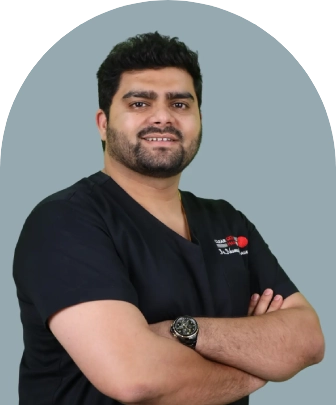
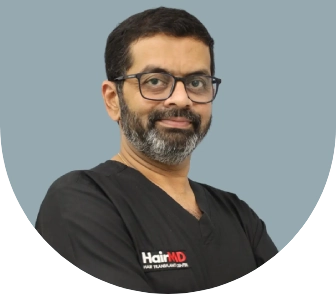
Meet Our Dermatologists
Conclusion
The vital link between the scalp microbiome hair growth cannot be overstated. Your hair follicles depend entirely on the delicate balance of bacteria and fungi living on your skin to provide a calm, nutrient-rich environment. When environmental factors, harsh products, or poor diet disrupt this ecosystem, the resulting inflammation actively destroys your hair growth cycle. By learning to recognise the early warning signs of itching, flaking, and excessive shedding, you can take prompt action to protect your hair.
Do not suffer through the discomfort of an irritated scalp while watching your hair thin. Modern dermatology offers highly precise diagnostic tools and targeted treatments to eliminate harmful overgrowths and soothe inflamed tissue. By adopting a gentle, pH-balanced hair care routine and seeking expert medical advice, you can permanently restore harmony to your scalp.
Seek an Expert Evaluation
If you are dealing with persistent scalp issues and unexplained hair shedding, professional intervention is the safest and most effective route. We strongly encourage you to book a consultation with the specialists at HairMD Clinic Pune. Let Dr Dhanraj Chavan provide a comprehensive assessment and design a personalised scalp treatment Pune programme to restore your microbiome and revitalise your hair growth.
Further Reading
Does Cold Water Really Help Your Hair? Separating Fact From Myth
You’ve heard that rinsing with cold water makes hair shinier and stronger.
What Should I Do About Dandruff and Scalp Issues?
Dandruff, seborrheic dermatitis, scalp psoriasis, and dry scalp, they look similar but need different treatments. HairMD dermatologists explain how to identify each and what actually works.
Does Heat Damage Really Ruin Your Hair? The Science Explained
Yes, heat damage is real, and mostly permanent. HairMD explains exactly how heat ruins hair at the structural level, at what temperatures damage occurs, and how to minimise it without giving up styling.
How to Get Healthier Hair Without Expensive Treatments?
You don’t need expensive salon treatments for healthier hair. HairMD dermatologists explain what actually improves hair health, from diet and scalp care to habits that protect hair from daily damage.
Have thoughts? Please let us know
We are committed not only to treating you, but also educating you.