

5 Ways to Protect Your hair from dust and pollution


Written by HairMD Content Team | Medically Reviewed by Dr. Dhanraj Chavan On July 20, 2026


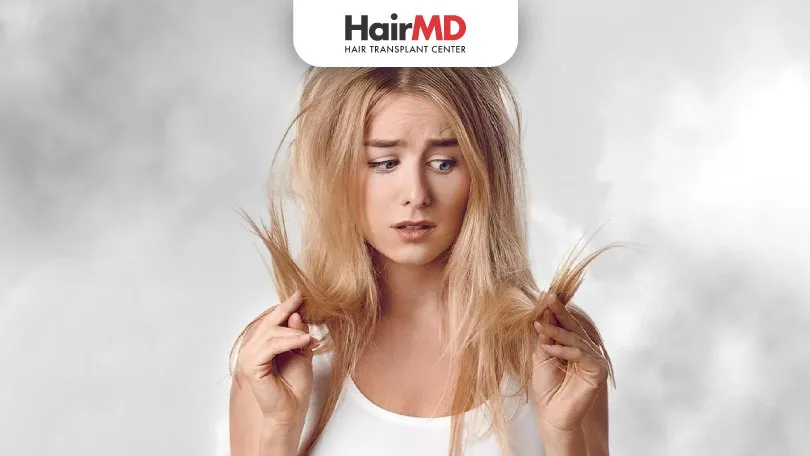
How do I protect my hair from dust and pollution? Cover your hair before going out, wash it regularly with a mild sulphate-free shampoo, use a nourishing hair mask once a week, avoid heat styling on already-stressed hair, and eat a diet rich in antioxidants. If hair fall persists beyond 2–3 months despite these steps, see a dermatologist pollution is often a trigger, not the sole cause, and an underlying condition like androgenetic alopecia or nutritional deficiency may need treatment.
- Air pollutants PM2.5, heavy metals, and ozone attach to hair and scalp and cause oxidative stress, follicle inflammation, and hair fall.
- Covering hair and washing it regularly are the two most effective protection strategies.
- Heat styling weakens pollution-damaged hair further reduce frequency.
- A diet high in antioxidants (vitamins C, E, B-complex, zinc, and selenium) supports scalp defense.
- Pollution rarely causes permanent hair loss on its own, but it can unmask or worsen a genetic or hormonal condition.
- If hair fall exceeds 100 strands per day consistently, or is accompanied by scalp itching, redness, or thinning patches, consult a dermatologist.
What’s covered in the article?
- How Does Air Pollution Affect Hair?
- Common Signs of Pollution-Related Hair Damage
- Effects of Air Pollution on Hair
- 5 Ways to Protect the Hair from Air Pollution
- Treatment Options When Pollution Accelerates Existing Hair Loss
- Conclusion
How Does Air Pollution Affect Hair?
Air pollution is not just one thing. It is a mixture of particulate matter (PM2.5 and PM10), heavy metals like lead and cadmium, polycyclic aromatic hydrocarbons (PAHs), ozone, sulphur dioxide, and nitrogen dioxide. Each of these affects your hair differently.
Particulate matter (PM2.5) is small enough to penetrate the hair follicle opening. Once inside, it triggers an inflammatory response similar to what a small foreign body causes in skin. Chronic follicle inflammation leads to a condition called folliculitis, and over time, it disrupts the normal hair growth cycle.
Heavy metals and PAHs generate free radicals when they contact the scalp. Free radicals damage the proteins in the hair shaft primarily keratin making strands weak, porous, and prone to breakage. They also damage the lipid layer that coats each strand, causing hair to lose moisture rapidly and become rough and dull.
Ozone oxidises the fatty acids on the scalp surface, disrupting the skin barrier. A compromised scalp barrier allows allergens, bacteria, and more pollutants to penetrate increasing the risk of dandruff, seborrheic dermatitis, and allergic contact dermatitis.
- Increased daily hair fall (more strands on the pillow, in the drain, or on the comb)
- Dull, lustreless hair that lacks body
- Dry, rough texture despite conditioning
- Scalp itching, flaking, or redness after commuting or outdoor exposure
- Premature greying (oxidative stress accelerates pigment loss)
- Excessive oil and sweat build-up on the scalp
- Hair breakage without visible thinning at the root
Effects of Air Pollution on Hair
- Dust particles can clog the hair follicles and lead to inflammation of the hair follicle (folliculitis).
- Exposure to pollutants s can cause dandruff, scalp irritation, and itching.
- Dust, mould, and pollens can lead to allergic reactions.
- Air pollution can cause the hair to get dry and brittle and lustreless.
- It can lead to excessive sweating on scalp.
5 Ways to Protect the Hair from Air Pollution
1. Protective Gear:
How to protect hair from sun and pollution? Wear protective gear while going outdoors in sunlight, so that your hair is secured from the heat of the sun as well as the pollution, which can hamper the health of your hair. How to protect hair from dust and pollution? Covering your hair with a scarf or hat when going out is the best way to protect your hair from the effects of pollution. Tying the hair is a good protection against pollution, as it gives less scope for dust and pollutants to enter the hair.
2. Keep the Hair Clean:
Pollutants rest on the outside of the hair, so washing the hair clean can reduce the effects of dust and pollution on hair health. How to remove dust from hair naturally? Use a mild shampoo and a conditioner so that the hair is washed well, and then hydrated. It is advisable to deep condition the hair once a week, to restore moisture in the hair and keep them lustrous and healthy.
3. Avoid Tools and Chemicals:
Avoid the use of harsh chemicals and tools or procedures in which the hair is heated; like curling irons, straighteners and dryers. Hair already exposed to environmental pollutants is more prone to damage if exposed to harsh chemicals in hair products. Overuse of mechanical tools may strain the hair leading to hair breakage.
4. Use Hair Products for Protection:
A hair mask effectively seals the cuticles and prevents dust and pollutants from damaging the hair shaft. A moisturizing hair mask works to smoothen and seal the cuticles. A scalp cleanser works to remove the build-up of oil and pollutants in the hair. A hair spray can be used to not only fight the frizz in hair but also to protect the tresses from the harmful effects of the sun and pollutants. Using a hair serum is good to protect the surface and cuticle of the hair from pollution.
5. Adopt a Healthy Lifestyle:
A diet rich in antioxidants helps you get rid of free radicals, that cause hair fall and premature aging of the hair and scalp skin. Include vitamins B, C, and D, and minerals like iron, zinc and selenium, which support hair health. Avoid smoking r. Follow a good workout regime, a proper diet, and manage stress, as these factors go a long way not only in maintaining overall fitness but also in keeping the hair and skin healthy.
Treatment Options When Pollution Accelerates Existing Hair Loss
When hair loss goes beyond what protective measures can reverse, clinical treatment produces results that home care cannot. Options at HairMD include:
Medical therapies:
- Platelet Rich Plasma (PRP) Therapy: PRP uses growth factors from your own blood to stimulate follicles and reduce scalp inflammation — beneficial when pollution has chronically inflamed the follicular environment.
- GFC (Growth Factor Concentrate) Therapy: A concentrated form of growth factors, GFC has shown consistent results in reducing shedding and improving hair density.
- Exosome Hair Therapy: Exosomes are cell-signalling molecules that promote follicle regeneration and reduce inflammation at a cellular level.
- Mesotherapy: Direct delivery of vitamins, minerals, and amino acids into the scalp to replenish what pollution depletes.
- Dermapen Microneedling: Controlled micro-channels in the scalp stimulate collagen production and enhance absorption of applied growth factors.
Surgical option:
- FUE Hair Transplant: For patients where pollution has accelerated pattern baldness to an irreversible stage, FUE transplant restores density permanently using your own grafts.
Not every patient needs a hair transplant and not every treatment suits every type of hair loss. If you are unsure whether PRP, GFC, Exosome Therapy, or another option is right for your condition, a personalised consultation at HairMD allows our dermatologists to evaluate your hair loss stage, scalp health, and treatment history before recommending anything.
DO YOU KNOW?
Nearly 250 Patients Visit HairMD
Everyday For Various Hair Concerns
(20+ Years Of Expertise. 4157+ Successful Hair Transplant at HairMD)
Meet Our Dermatologists

Conclusion
This was an overview of how pollution affects hair health and how to protect the hair from air pollution. ‘How can I protect my hair from pollution?’, ‘How can I get rid of the dust and pollutants in hair?’, and ‘how can I prevent hair damage caused by pollution’, are some commonly asked questions about hair health. These questions are more relevant to those who travel a lot or have to stay outdoors through the day, as their hair is frequently exposed to pollution, dust and the heat of the sun.
If you are one of them, this article must have helped you. However, for any queries about hair health and protecting the hair from pollution, it is best to ask as expert, and one of the best places in Pune, where all your doubts about hair care would be resolved, is HairMD. It is a hair transplant centre with a team of experienced dermatologists who specialize in treating hair conditions. With their guidance, you will be able to attain healthy and luxurious hair.
Further Reading
Is Rosemary Oil Enough for Hair Regrowth? When to Consider Something Stronger
Six months of rosemary oil and still losing hair? HairMD dermatologists explain when rosemary oil works, when it is not enough, and what to try next.
Redensyl vs Minoxidil vs GFC for Hair Loss: Which One Is Right for You?
Redensyl, minoxidil, or GFC therapy for hair loss? HairMD Pune dermatologists explain how each works, who each is for, and how to choose.
Dermapen Scalp Microneedling Results in Pune
Real HairMD Pune patient results from Dermapen scalp microneedling for hair – what to expect, sessions, and before and after outcomes.
Fotona & LLLT Laser Hair Cost in Pune 2026
Fotona and LLLT laser hair treatment cost in Pune 2026 – per-session pricing, packages, and what affects the cost at HairMD Pune.
Have thoughts? Please let us know
We are committed not only to treating you, but also educating you.