

Anemia and Hair Loss: How They Are Connected


Written by HairMD Content Team | Medically Reviewed by Dr. Dhanraj Chavan On September 06, 2021


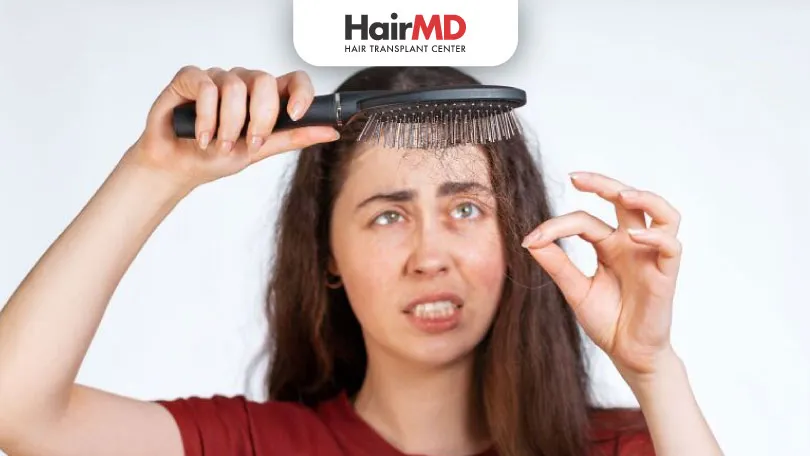
Hair loss is a condition that can be caused due to many factors that can disturb the normal hair growth cycle and the growth potential of the hair follicles, causing shedding, thinning and baldness. Many factors may affect the natural cycle and cause hair loss in males and females at any stage of life.
Busy professionals often tend to ignore their diet and nutrition, leading to many nutritional deficiencies in the body – iron deficiency or anemia being one of them.
If you doubt if there is some connection between anemia and hair loss, then continue with the blog to know everything.
What’s covered in the article?
- What is Anemia?
- Can Anemia Cause Hair Loss?
- Can Hair Loss From Anemia Be Reversed?
- Conclusion
What is Anemia?
Anemia is a condition where there is inadequate transportation of oxygen in the body’s cells due to a decrease in the level of haemoglobin. This pigment, called haemoglobin, is responsible for carrying oxygen in each cell and carrying back carbon dioxide and waste. Due to a lack of haemoglobin, hair follicles suffer from oxygen deficiency.
The most common type of anaemia is caused due to lack of iron in the body, which is called iron deficiency anemia. Anemia can arise due to a lack of iron in the diet and excessive blood loss due to injury.
Can Anemia Cause Hair Loss?
There is a certain link between anemia and hair loss. In iron deficiency anemia, hair follicles fail to regenerate following a normal rest and shedding phase, leading to diffuse hair thinning on the scalp without obvious hair shedding.
Can Hair Loss From Anemia Be Reversed?
Hair loss due to anemia can be reversed once the iron levels in the body improve. It may take several months, but the problem can be reversed with a proper diet containing iron, iron supplements, and medical treatments like platelet-rich plasma therapy and minoxidil. Consumption of Vitamin C for adequate absorption of iron is important.
If you think you are suffering from hair loss, you must visit a dermatologist nearby. The hair loss doctor will perform blood tests to determine the right cause of the hair loss and treat it immediately and accordingly.
DO YOU KNOW?
Nearly 250 Patients Visit HairMD
Everyday For Various Hair Concerns
(20+ Years Of Expertise. 4157+ Successful Hair Transplant at HairMD)
Meet Our Dermatologists



Conclusion
In conclusion, androgenetic alopecia, or male pattern baldness, is a common condition driven by genetics, hormones, and age. While it can be distressing, various treatment options like minoxidil, finasteride, PRP therapy, and hair transplants offer hope for managing hair loss. Early intervention and professional guidance can significantly improve outcomes, allowing men to regain confidence and control over their appearance.
Further Reading
How to Prevent Hair Loss: The Ultimate Guide
Explore the ultimate guide to preventing hair loss and maintaining healthy, strong hair.
Do Dermatologists Recommend Inositol and Choline for Hair Loss?
Discover the potential of inositol and choline for hair loss. Learn how these nutrients may benefit follicle health & prevent thinning.
Finding the Right Doctor for Hair Loss Solutions
Searching for What Kind of Doctor Treats Hair Loss? Learn how dermatologists at Hairmd diagnose the cause & offer proven treatments for hair thinning.
Stop Hair Thinning: Best Practices for Hair Loss Control
Discover effective tips to stop hair fall and boost hair growth with simple lifestyle changes, proper hair care routines, and proven treatments. Boost hair health with HairMD.
Have thoughts? Please let us know
We are committed not only to treating you, but also educating you.