

Top Hair Growth Treatments for Women: Your Ultimate Guide


Written by HairMD Content Team | Medically Reviewed by Dr. Dhanraj Chavan On June 20, 2026


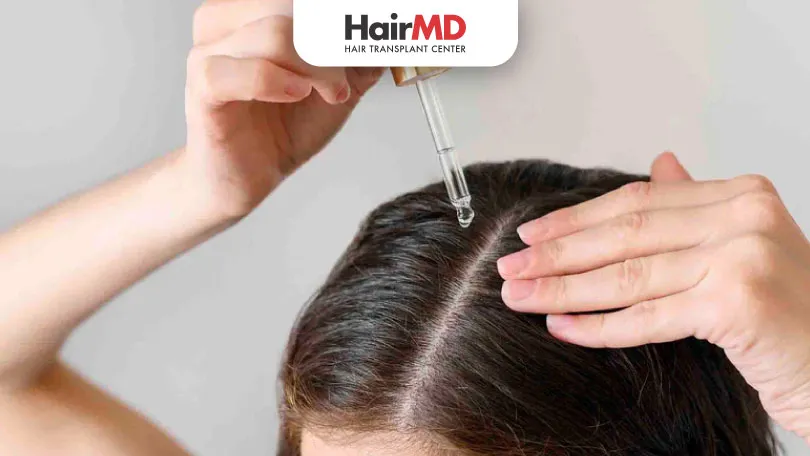
Hair loss is a common concern for many women and can be caused by stress, hormonal changes, nutritional deficiencies, genetics, or lifestyle factors. The good news is that several effective treatments are available to reduce hair fall and promote healthy hair growth. In this guide, we will discuss the best hair growth treatments for women, from simple solutions to advanced medical options.
If you have been using minoxidil for six months and seeing no change. Or taking biotin supplements for a year. Or trying every home remedy on the internet , and your hair is still falling.
Here is the most likely explanation: you are treating the wrong cause.
Hair loss in women is not a single condition. It is a symptom, and it can come from at least six distinct causes, each requiring a different treatment approach. At HairMD, after evaluating more than 10,000 women with hair loss, the single most reliable predictor of treatment success is this: patients who know their cause before starting treatment get results. Those who do not, do not.
This guide covers the six causes we see most often, which treatments work for each, and what you need to test before starting anything.
The First Step: Blood Tests
Before prescribing any treatment, every HairMD hair loss consultation begins with a blood panel. Not optional. Not “let us try treatment and test later.” Blood tests first. The standard panel we order:
- Complete blood count (CBC)
- Serum ferritin (critical , not just hemoglobin)
- Thyroid function: TSH, free T3, free T4
- Vitamin D3 (25-OH)
- Vitamin B12
- Fasting blood glucose
- Hormonal panel: DHEA-S, total testosterone, prolactin (when PCOS is suspected)
This panel costs Rs 2,000–4,000 and tells us in one visit what is driving the hair loss. That is less than one month of most treatments patients try blindly.
What’s covered in the article?
- Key Takeaways
- What are Causes of Hair Loss in Women?
- What are Types of Hair Loss?
- Best Hair Regrowth Treatments for Women
- Conclusion
Key Takeaways
-
Hair loss in women can result from genetics, hormonal changes, stress, nutritional deficiencies, or certain medical conditions.
-
Identifying the exact cause is essential before starting any treatment for effective results.
-
Common types of hair loss in women include androgenic alopecia, alopecia areata, telogen effluvium, and traction alopecia.
-
Clinically proven treatments such as Minoxidil, PRP therapy, Low-Level Laser Therapy (LLLT), Microneedling, Mesotherapy, and Hair Transplantation can help improve hair density and regrowth.
-
Biotin and other nutritional supplements may be beneficial when hair loss is linked to dietary deficiencies.
-
Early intervention offers the best chance of controlling hair thinning and achieving visible regrowth.
-
Consulting a qualified dermatologist or hair restoration specialist ensures a personalised, safe, and effective treatment plan.
-
Consistency and patience are important — most hair regrowth treatments take several months to show noticeable improvement.
The 6 Causes of Hair Loss in Women and What Actually Works for Each?
1. Iron and Nutritional Deficiency , Most Common in Indian Women
Low serum ferritin , not to be confused with low hemoglobin , is the single most common correctable cause of hair loss we identify in women at HairMD. The critical point: you can have completely normal hemoglobin and still have ferritin too low for hair follicles to function properly. Most standard blood tests in India check hemoglobin, not ferritin. This is why this cause goes undetected for months or years.
Hair follicles require ferritin above 70 mcg/L to maintain their growth cycle. Women we see with this cause typically have ferritin between 8 and 30 mcg/L.
What works: Iron supplementation under medical supervision, dietary changes to improve iron absorption (vitamin C with iron-rich foods, reducing tea with meals), treating any underlying cause of the deficiency.
What does not work: Topical treatments as primary treatment when ferritin is low. Minoxidil, oils, and serums will not produce results until the deficiency is corrected.
Timeline: Shedding reduces within 3–4 months of ferritin correction. Visible regrowth begins at 6 months. Full response at 12–18 months.
Also check: Vitamin B12 (especially if vegetarian , B12 deficiency is extremely common in India), vitamin D3 (40–80% of Indians are deficient), and zinc.
2. Thyroid-Related Hair Loss
Both hypothyroidism and hyperthyroidism cause significant diffuse hair shedding , loss from all over the scalp rather than a specific pattern. Often accompanied by fatigue, unexplained weight changes, or sensitivity to temperature.
What works: Treating the thyroid condition with your endocrinologist first. Non-negotiable as step one. Once thyroid levels stabilise (typically 3–4 months on medication), hair shedding reduces. Full recovery takes 12–18 months from stabilisation.
What does not work: Any topical treatment without thyroid management. The hair will not recover until the underlying endocrine issue is addressed.
3. PCOS-Related Hair Loss
Polycystic ovary syndrome elevates androgens in women, causing the same follicle miniaturisation pattern as male pattern baldness , progressive thinning of the crown and sometimes the hairline. This happens simultaneously with increased facial and body hair.
What works: Combination approach. Hormonal management with your gynaecologist plus topical minoxidil 5% for follicle-level response. PRP or GFC therapy at HairMD can support regrowth. Spironolactone may be added for some patients.
What does not work: Minoxidil alone without hormonal management gives limited results while the androgen-driven miniaturisation continues.
4. Postpartum Hair Loss
During pregnancy, elevated estrogen keeps hair in its growth phase , you shed far less than normal. After delivery, estrogen drops suddenly and all retained hair sheds simultaneously. This typically peaks at 3–5 months postpartum and can be alarming in volume.
What works: Patience and nutritional support. Postpartum telogen effluvium is self-limiting , it resolves on its own by 12–18 months postpartum as long as nutritional needs (iron, B12) are met. Breastfeeding has particularly high nutritional demands.
What does not work: Aggressive treatments. Minoxidil is not recommended during breastfeeding. PRP is not appropriate for a self-limiting condition.
5. Stress-Induced Hair Loss (Telogen Effluvium)
Physical or emotional stress , surgery, serious illness, extreme weight loss, significant emotional events , triggers the hair cycle to shift prematurely. Shedding occurs 2–3 months after the trigger, not during it, which is why patients often cannot identify the cause.
What works: Identifying and resolving the trigger where possible. Nutritional support (iron, protein, B vitamins). In some cases, topical minoxidil to support regrowth during recovery.
Timeline: Shedding peaks and resolves within 3–6 months of trigger removal. Full regrowth within 12 months in most cases.
6. Female Pattern Hair Loss (Genetic)
Female pattern hair loss (FPHL) is the only type requiring long-term management rather than a finite treatment course. Genetically sensitive follicles progressively miniaturise in response to androgens, typically causing gradual thinning of the crown and central scalp.
Treatment options at HairMD:
- Minoxidil 5% topical: Gold-standard first-line. FDA and DCGI approved. Requires 4–6 months minimum to assess response. Must be continued indefinitely , stopping reverses results within 3–6 months.
- PRP therapy: Platelet-rich plasma injections stimulate dormant follicles. Best combined with minoxidil, not standalone. HairMD recommends 3 initial sessions at 4–6 week intervals, then maintenance.
- GFC (Growth Factor Concentrate): Advanced form of PRP with higher growth factor concentration. For patients with limited response to standard PRP.
- FUE Hair Transplant: For advanced FPHL where medical treatment cannot achieve sufficient density.
Learn about PRP for female hair loss at HairMD
Realistic Timeline: Month by Month
- Months 1–3: Reduced shedding. An initial increase in shedding during weeks 1–6 of minoxidil is normal.
- Months 3–4: Some patients notice fine new growth at the hairline and scalp.
- Months 4–6: Visible density improvement begins in patients responding well.
- Months 6–12: Continued progressive improvement.
- Months 12–18: Full treatment response.
No improvement at all by month 5 is the signal to reassess , either the treatment does not match the cause, or the diagnosis needs revisiting.
Your First HairMD Consultation
- Detailed history (30 minutes): When loss started, pattern, triggers, recent events, medications, family history.
- Scalp trichoscopy: Magnified examination of follicle health and hair shaft characteristics.
- Blood test panel: Prescribed based on your history.
- Working diagnosis: Preliminary assessment before blood results return.
- Follow-up (4–6 weeks): Results review + confirmed diagnosis + complete personalised treatment plan.
What are Types of Hair Loss?
1. Androgenic Alopecia
Androgenic alopecia, also known as pattern baldness, is the most common type of hair loss, driven by genetics and hormonal changes.
Men experience a receding hairline and crown thinning, while women see diffuse scalp thinning. Treatments include minoxidil, finasteride for men, laser therapy, and hair transplants.
2. Alopecia Areata
Alopecia areata is an autoimmune disorder causing hair loss due to the immune system attacking hair follicles. Its exact cause is unknown but involves genetic and environmental factors.
Symptoms include patchy hair loss, which can progress to complete baldness or total body hair loss. Treatments include steroid injections, topical immunotherapy, and oral corticosteroids.
3. Telogen Effluvium
Telogen effluvium is a temporary hair loss condition caused by factors like stress, hormonal changes, or medication, leading to widespread thinning across the scalp.
Addressing the root cause is key, and hair usually regrows once resolved, with nutritional supplements potentially aiding recovery.
4. Traction Alopecia
Traction alopecia is hair loss caused by prolonged tension from hairstyles like tight braids or ponytails, leading to thinning around the hairline and temples.
Treatment includes changing hairstyles to reduce tension and, in severe cases, considering hair transplant surgery.
Best Hair Regrowth Treatments for Women
When women experience hair loss, it can feel overwhelming — but today, many effective treatments are available. Below is a simple, easy-to-understand guide to the most popular and proven hair regrowth options.
1. Minoxidil
Minoxidil is an FDA-approved topical solution commonly recommended for female hair thinning. It helps stimulate hair follicles and promote regrowth.
Since it’s available over the counter, it’s easy to include in your daily routine. Consistent use is important for best results.
2. Biotin Supplements
Biotin (Vitamin B7) supports healthy hair, skin, and nails. If your hair loss is linked to nutritional deficiencies, biotin supplements can help strengthen hair and reduce breakage. It works best when taken regularly and paired with a balanced diet.
3. Platelet-Rich Plasma (PRP) Therapy
PRP therapy uses your own blood, which is processed to concentrate growth factors. These platelets are then injected into the scalp to activate weak or dormant hair follicles. It’s a popular non-surgical option that can improve hair density over time.
4. Low-Level Laser Therapy (LLLT)
Low-Level Laser Therapy uses low-intensity lasers or light-emitting diodes to stimulate hair follicles. The treatment is painless, non-invasive, and can help slow down hair thinning while encouraging healthier growth. Devices are available both in clinics and for home use.
5. Hair Transplantation
For women with advanced or long-term hair loss, hair transplantation can offer a permanent solution.
The procedure involves transferring healthy hair follicles from one part of the scalp to areas with thinning or no hair. It delivers natural-looking, long-lasting results.
6. Mesotherapy
Mesotherapy involves injecting a blend of vitamins, minerals, and growth boosters directly into the scalp. This helps improve blood circulation, nourish the hair follicles, and enhance hair thickness. It can be an effective option for women with early-stage thinning.
7. Microneedling
Microneedling uses tiny needles to create micro-injuries on the scalp, stimulating collagen production and improving the absorption of hair growth serums.
This process helps reactivate hair follicles and is often combined with treatments like PRP or Minoxidil for better outcomes.
Dr. Dhanraj Chavan’s Approach to Hair Loss in Pune
According to Dr. Dhanraj Chavan, Founder and chief dermatologist at HairMD Pune, effective hair loss treatment starts with identifying the root cause. Factors such as hormonal imbalances, stress, nutritional deficiencies, PCOS, and genetics can all contribute to hair thinning in women.
After a detailed scalp and hair analysis, Dr. Chavan recommends a personalised treatment plan that may include medications, PRP, GFC, QR678, exosome therapy, or hair transplant procedures when required. This customised approach helps improve scalp health, reduce hair fall, and support long-term hair growth.
DO YOU KNOW?
Nearly 250 Patients Visit HairMD
Everyday For Various Hair Concerns
(15+ Years Of Expertise. 4157+ Successful Hair Transplant)
Meet Our Dermatologists


Conclusion
The blog concludes that hair loss in women can be distressing, but several effective treatments are available, ranging from natural remedies to advanced medical procedures.
Solutions like Minoxidil, Biotin supplements, PRP therapy, low-level laser therapy, hair transplantation, and mesotherapy can help with hair regrowth.
HairMD Clinic Pune offers expert advice and treatments tailored to individual needs. It’s essential to consult a healthcare professional before starting any treatment, as results may take time to show.
In addition, maintaining a healthy diet and lifestyle can also contribute to hair growth and overall well-being.
Further Reading
Does Cold Water Really Help Your Hair? Separating Fact From Myth
You’ve heard that rinsing with cold water makes hair shinier and stronger.
What Should I Do About Dandruff and Scalp Issues?
Dandruff, seborrheic dermatitis, scalp psoriasis, and dry scalp, they look similar but need different treatments. HairMD dermatologists explain how to identify each and what actually works.
Hair Care Dos and Don’ts: What Dermatologists Actually Recommend
The most common hair care mistakes, and the right habits to replace them. Dermatologists at HairMD Pune explain the dos and don’ts for washing, drying, styling, and maintaining healthy hair.
Vitamin E Benefits for Hair Health
Discover the benefits of Vitamin E for hair, how it supports hair growth, reduces damage, and whether it helps hair loss. Expert guide from HairMD.
Have thoughts? Please let us know
We are committed not only to treating you, but also educating you.