

Are You Eating Raw Fenugreek Seeds to Cure Hair Loss?


Written by HairMD Content Team | Medically Reviewed by Dr. Dhanraj Chavan On July 27, 2022


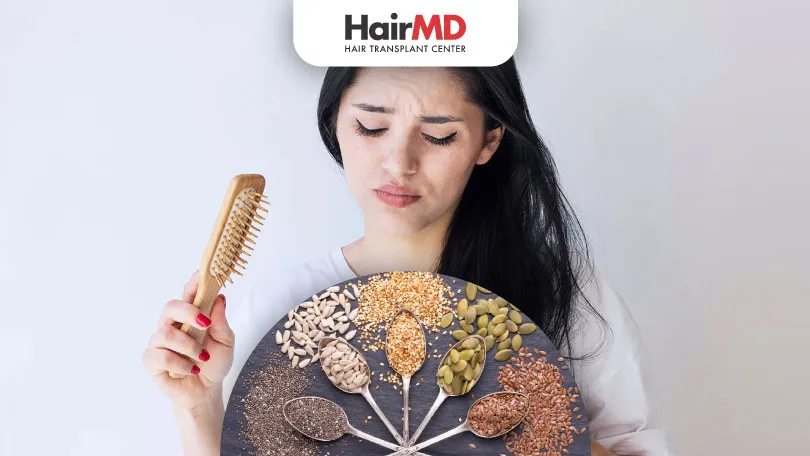
Indian kitchen is a powerhouse of magical spices which aid in treating minor health issues. The Indian household frequently uses fenugreek seeds not just to add flavour to food and treat hair problems such as dandruff, itchy scalp, and hair thinning.
What’s covered in the article?
- Essential Nutrients In Fenugreek Seeds
- Side Effects of Fenugreek
- Conclusion
Essential Nutrients In Fenugreek Seeds
What essential nutrients are hidden in these tiny seeds? Let’s find out, can fenugreek seeds stop hair fall?
- Flavonoids and saponins present in the fenugreek plant compound are believed to treat moderate hair loss in males and females as it stimulates blood circulation in the scalp. It may also interact with DHT in the body to block its attachment with hair follicles. When DHT attaches to hair follicles, it leads to hair loss or hair thinning.
- Iron content in fenugreek helps boost blood circulation and carry oxygen and nutrients to hair roots, helping hair grow longer, faster and healthier.
- Fenugreek seeds are rich in proteins. Hair is made of protein, and therefore fenugreek can aid in strengthening the roots of the hair.
- Rich in folic acid, Vitamin A, Vitamin K and Vitamin C, fenugreek seeds are beneficial against dandruff and treat various scalp issues, including hair thinning.
- Lecithin in fenugreek hydrates and moisturises the hair and helps bring back the shine and lustre in the hair.
- Potassium in fenugreek can also control premature ageing.
Can fenugreek seeds stop hair fall? There is no scientific proof, but it is believed that fenugreek seeds may help you get rid of dandruff and flakes. Soak methi seeds in water and consume them to improve hair quality. It may induce hair growth and make your hair look thicker. The bitter taste of fenugreek makes it a little difficult to swallow. One can try a topical mask and oil solution by adding fenugreek to your hair mask or oil.
Side Effects of Fenugreek
Fenugreek can cause a few side effects:
- Nasal Congestion
- Coughing
- Wheezing
- Facial Swelling
- Severe Allergic Reactions In Hypersensitive People
So, before using fenugreek seeds, it’s better to consult a dermatologist or perform a patch test to avoid side effects.
As there is not much evidence on eating fenugreek seeds for hair loss, dermatologists believe that they alone cannot control or help in hair regrowth; consequently, it is better to seek medical consultation with HairMD before your condition worsens.
Our expert team of dermatologists can help you with any kind of hair issue. They will conduct various hair and scalp tests before designing your treatment procedure, ensuring the best results. Why Wait! Book your consultation today!
DO YOU KNOW?
Nearly 250 Patients Visit HairMD
Everyday For Various Hair Concerns
(15+ Years Of Expertise. 4157+ Successful Hair Transplant)
Meet Our Dermatologists


Conclusion
Fenugreek seeds offer potential benefits for hair health, as they contain essential nutrients like proteins, iron, and vitamins that may promote hair growth and reduce scalp issues. However, there is limited scientific evidence supporting their effectiveness in treating hair loss. Additionally, fenugreek may cause side effects such as allergic reactions, so it’s important to consult a dermatologist before use. Relying solely on fenugreek seeds is not recommended for hair loss treatment without professional guidance.
Further Reading
Does Cold Water Really Help Your Hair? Separating Fact From Myth
You’ve heard that rinsing with cold water makes hair shinier and stronger.
What Should I Do About Dandruff and Scalp Issues?
Dandruff, seborrheic dermatitis, scalp psoriasis, and dry scalp, they look similar but need different treatments. HairMD dermatologists explain how to identify each and what actually works.
Does Heat Damage Really Ruin Your Hair? The Science Explained
Yes, heat damage is real, and mostly permanent. HairMD explains exactly how heat ruins hair at the structural level, at what temperatures damage occurs, and how to minimise it without giving up styling.
How to Get Healthier Hair Without Expensive Treatments?
You don’t need expensive salon treatments for healthier hair. HairMD dermatologists explain what actually improves hair health, from diet and scalp care to habits that protect hair from daily damage.
Have thoughts? Please let us know
We are committed not only to treating you, but also educating you.