

How to Avoid a Bad Hair Transplant? 8-Step Checklist From a Top Hair Transplant Surgeon


Written by HairMD Content Team | Medically Reviewed by Dr. Dhanraj Chavan On January 12, 2026


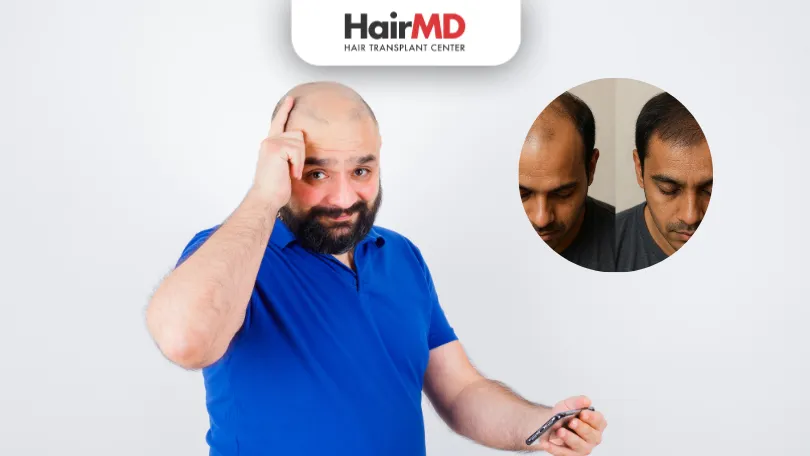
A bad hair transplant is not just a cosmetic mistake—it is a permanent one, and in most cases, it could have been avoided.
A bad hair transplant is more than just a disappointing result; it’s a permanent reminder of a decision gone wrong.
As a hair transplant surgeon, Since 2008, I have performed hundreds of corrective procedures on patients left with unnatural hairlines, scarred donor areas, and poor density from “bargain” clinics.
The most effective way to avoid a bad transplant is not by seeking a fix later, but by making the right choice from the start.
This involves a diligent, research-based process to vet your surgeon and clinic, ensuring they prioritise your long-term aesthetic and safety over a quick sale.
Quick Summary
- A Bad Transplant is Permanent: Results like a “doll hair” hairline, a moth-eaten donor area, or poor growth are often irreversible without costly, complex repair surgeries.
- Surgeon, Not Salesperson: Your consultation should be with the operating surgeon, not a sales consultant. The surgeon’s experience and direct involvement are the most critical factors.
- Red Flags: Beware of clinics offering “unlimited grafts,” unusually low prices, or high-pressure sales tactics. These are signs of a commercial operation, not a medical one.
- Look for Proof: Ask to see dozens of before-and-after photos of patients with hair loss similar to yours. Look for natural, undetectable results, not just density. We encourage you to visit our live hair transplant surgery sessions. Talk to our Dr Sachin pawar, our team member and even with patients (if allowed). Also, you can connect our past patients who has done successful hair restoration.
- Ethical Clinics Say No: A good surgeon will refuse to operate if you are not a suitable candidate (e.g., due to DUPA or being too young). A bad clinic will take anyone’s money.
A good surgeon will perform ht only and only if the candidate has good donor area, because donor area has to be preserved and there shoud not be thinning in donor area seen after ht
What’s covered in the article?
- What Exactly Is a “Bad” Hair Transplant?
- The Ultimate 8-Step Checklist for Choosing Your Clinic
- Red Flags: How to Spot a Bad Hair Transplant Clinic
- My Hair Transplant Went Wrong. Can It Be Fixed?
- Frequently Asked Questions
- Conclusion
What Exactly Is a “Bad” Hair Transplant?
A hair transplant “fails” in two ways: medically or aesthetically. At our HairMD Hair Transplant Clinics in Pune, I categorize a bad transplant as one that exhibits any of these signs:
- An Unnatural Hairline: This is the most common flaw. It might be perfectly straight, too low for the patient’s age, or have a harsh, “pluggy” look from using thick grafts in the front. A good hairline is always soft and irregular.
- Poor Graft Survival: The patient pays for 3,000 grafts, but only 1,500 grow. The result is thin, wispy, and see-through. This is usually caused by an inexperienced team, rough graft handling, or excessive out-of-body time.
- A Damaged Donor Area: The back and sides of the head look “moth-eaten” or patchy from over-harvesting. An aggressive clinic might extract too many grafts in one go, leaving permanent damage and preventing future procedures.
- Incorrect Hair Angles: The transplanted hairs grow straight up instead of lying flat, creating an un-stylable, bristly appearance.
A successful transplant, in contrast, should be undetectable. It should look so natural that even a hairdresser can’t tell you’ve had work done.
The Ultimate 8-Step Checklist for Choosing Right Hair Transplant Clinic For Your Surgery
Choosing a surgeon is the most important decision you will make. This is not the time for impulse buys. Follow this checklist rigorously.
Step 1: Verify the Surgeon’s Credentials
Don’t just trust the clinic’s website. Rather Ask-
- Who is the operating surgeon?
- Are they a qualified board certified dermatologist or board certified plastic surgeon?
- Are they certified by a reputable body like the ISHRS (International Society of Hair Restoration Surgery)?
This certification shows a commitment to the highest global standards.
Step 2: Ensure the Consultation is with the Surgeon
This is non-negotiable.
If you meet with a “consultant” or salesperson who pressures you to book, walk away. I personally conduct all hair transplant consultations at HairMD.
It’s a medical assessment where I need to evaluate your scalp, discuss your goals, and determine if you are a good candidate.
A salesperson is not qualified to do this.
Step 3: Scrutinise Before-and-After Photos
Don’t just look at one or two “hero” results. Ask to see dozens of photos. Look for:
- Patients like you: Same age, ethnicity, and level of baldness.
- High-resolution photos: Blurry or poorly lit images can hide bad results.
- Photos of the donor area: A good clinic is proud to show how well their donor areas heal. Ethical hair transplant clinic allows you to experience live hair transplant surgery in OT. Introduce you to the operating surgeon and team. It keeps everything transparent.
- Photos of hairlines: Zoom in. Do they look soft and natural or hard and pluggy?
Step 4: Ask About the Surgeon’s Direct Involvement
In many low-cost clinics, the “famous” surgeon only shows up to draw the hairline, while untrained technicians perform the entire extraction and implantation.
This is a recipe for disaster.
Ask directly: “Dr. Sachin Pawar, what percentage of the surgery will you perform yourself?”
In my practice, I perform all critical parts of the procedure, including all extractions and the creation of every recipient site.
Step 5: Understand Their Plan for You
A good surgeon will explain why they are recommending a certain number of grafts and a specific hairline design.
They will talk about creating a mature, age-appropriate look and preserving your donor area for the future.
A non-scientific clinic just gives you a number and a price.
Step 6: Discuss Graft Survival, Not Just Graft Numbers
The key to a good result is the survival rate.
Ask, “What is your average graft survival rate, and what do you do to maximise it?”
A top surgeon will talk about minimising out-of-body time, using proper storage solutions (like HypoThermosol and PRP), and employing a highly-trained team.
Step 7: Read Reviews on Independent Platforms
Don’t just read the curated testimonials on the clinic’s website. Look at Google Reviews, Practo, and other third-party platforms for a more balanced view. Pay attention to how the clinic responds to any negative feedback.
Step 8: Resist the Lure of the “Deal”
A hair transplant is a permanent, life-altering surgery.
Your face is not the place to bargain hunt.
A clinic offering a price that seems too good to be true is cutting corners somewhere—either by using an unqualified team, rushing the procedure, or compromising on hygiene.
The cost of a bad transplant is far higher than the price of a good one.
Check the actual hair transplant cost:- Cost Of Hair Transplant
How to Spot a Bad Hair Transplant Clinic? Beware Of Red Flags
During your research, be on high alert for these warning signs.
- High-Pressure Sales: If you’re offered a “special discount” that expires today, it’s a sales tactic, not a medical practice.
- Vague Answers: If they can’t clearly explain the surgeon’s role or their graft survival protocol, they likely don’t have a good one.
- “Unlimited Grafts” Promises: This is a dangerous marketing gimmick. Your donor area is a finite resource. A good surgeon is conservative and respects this; a bad clinic treats it like an open mine.
- Lack of Transparency: If they won’t let you speak to past patients or are cagey about their team’s qualifications, they have something to hide.
I recently consulted a young man who underwent a 4,000-graft procedure in Turkey..
His donor area was destroyed, and the hairline was a straight, pluggy line.
The clinic had extracted far too many grafts and used technicians with no medical training. Now, he doesn’t have enough donor hair left for a proper repair.
His story is a common example of what happens when price is the only consideration.
My Hair Transplant Went Wrong. Can It Be Fixed?
Yes, in many cases, a bad hair transplant can be improved, but it’s a complex process. Corrective surgery often involves:
- Graft Excision: Carefully removing large, misplaced “plugs” from the unnatural hairline.
- Graft Recycling: Dissecting these removed plugs under a microscope into single-hair units.
- Camouflaging: Re-implanting the recycled single hairs in front of the bad hairline to create a new, soft transition zone.
- Density Addition: If donor hair is available, adding more grafts to improve density and blend the result.
Repair work is more difficult, time-consuming, and expensive than a primary procedure. It requires a surgeon with significant experience in managing scarred tissue and depleted donor areas.
Frequently Asked Questions
Q: How can I tell if a clinic’s before-and-after photos are real?
A: Look for consistency in lighting, background, and head position. Ask for videos if possible. A reputable clinic will have a large and varied portfolio, not just a few perfect examples.
Q: What is the most important question to ask a surgeon?
A: “Who performs the graft extraction and implantation, and what are their qualifications?” The answer will tell you everything about whether it is a surgeon-led or technician-run clinic.
Q: Is it cheaper to go abroad for a hair transplant?
A: While the initial price might be lower, the risks are significantly higher. You have little legal recourse if something goes wrong, and the cost of travel and a potential repair surgery back home can make it far more expensive in the long run.
DO YOU KNOW?
Nearly 250 Patients Visit HairMD
Everyday For Various Hair Concerns
(15+ Years Of Expertise. 4157+ Successful Hair Transplant)
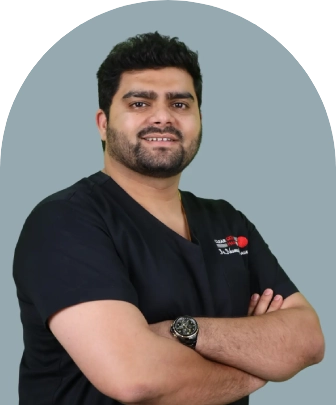
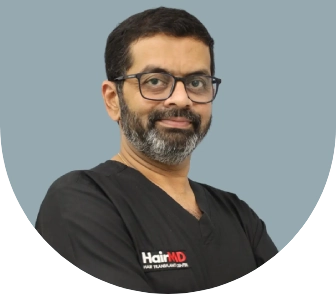
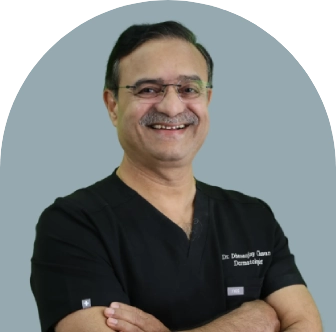
Meet Our Dermatologists

Conclusion
A hair transplant is a fusion of medical science and artistic skill.
While technology and techniques are important, the outcome rests entirely in the hands of the surgeon and their team.
By following a diligent research process and prioritising quality and safety over cost, you can avoid becoming another repair case.
Nobody should recocnize that you have done hair transplant, this is a succesfull hair transplant.
Your goal should be a result so natural that you forget you ever had surgery. Don’t let a bad decision become a permanent regret.
Are you ready to make the right choice for your hair restoration journey?
Book a consultation at HairMD in Pune or Pimpri Chinchwad. Let’s have an honest medical discussion, not a sales pitch, and build a plan for a safe, natural, and undetectable result.
Further Reading
Does Cold Water Really Help Your Hair? Separating Fact From Myth
You’ve heard that rinsing with cold water makes hair shinier and stronger.
What Should I Do About Dandruff and Scalp Issues?
Dandruff, seborrheic dermatitis, scalp psoriasis, and dry scalp, they look similar but need different treatments. HairMD dermatologists explain how to identify each and what actually works.
Does Heat Damage Really Ruin Your Hair? The Science Explained
Yes, heat damage is real, and mostly permanent. HairMD explains exactly how heat ruins hair at the structural level, at what temperatures damage occurs, and how to minimise it without giving up styling.
How to Get Healthier Hair Without Expensive Treatments?
You don’t need expensive salon treatments for healthier hair. HairMD dermatologists explain what actually improves hair health, from diet and scalp care to habits that protect hair from daily damage.
Have thoughts? Please let us know
We are committed not only to treating you, but also educating you.