

PRP Therapy for Stress Related Hair Loss in Hinjewadi
Written by HairMD Content Team | Medically Reviewed by Dr. Dhanraj Chavan
Updated on February 10, 2026
Stress Related Hair Loss Among Hinjewadi Residents
Extended work hours, high cortisol levels, and poor sleep cycles commonly trigger excessive hair fall among Hinjewadi professionals. This type of hair loss often presents as diffuse thinning rather than defined bald patches.
PRP therapy at HairMD India targets this issue by revitalizing weakened follicles and improving scalp circulation without surgery.
What’s covered in the article?
- How PRP Therapy Helps Control Hair Fall
- Treatment Protocol at HairMD India
- Expected Results Timeline
- Frequently Asked Questions
- How Hinjewadi Residents Can Continue Their Research?
How PRP Therapy Helps Control Hair Fall
PRP uses your own blood plasma enriched with growth factors that:
- Improve follicle blood supply
- Prolong the growth phase of hair
- Strengthen miniaturized follicles
- Reduce excessive daily shedding
It is especially effective when hair follicles are still present but weakened.
Treatment Protocol at HairMD India
- Blood sample collection
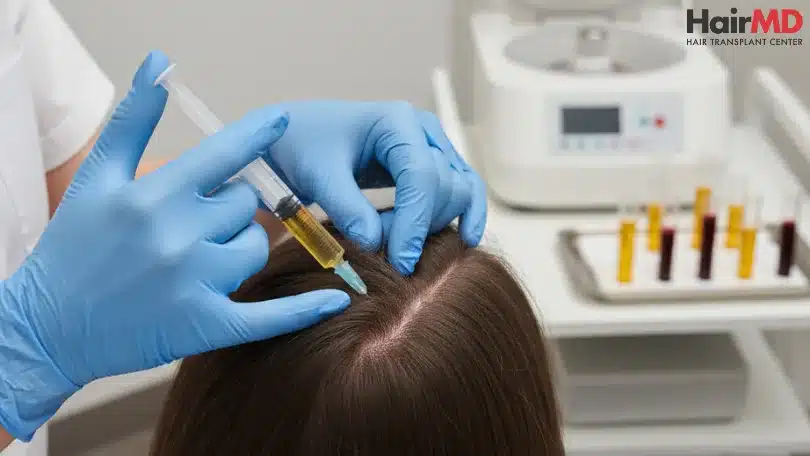
- Plasma separation using centrifugation
- Scalp numbing for comfort
- Micro injections across thinning areas
Most patients require 3 to 6 sessions spaced monthly, followed by maintenance once or twice a year.
Expected Results Timeline
- Month 1 to 2: Hair fall reduction
- Month 3 to 4: Improved thickness and texture
- Month 6 to 9: Noticeable density improvement
-
Frequently Asked Questions
Is PRP enough on its own?
Yes for early stage hair loss. Advanced cases may need transplant support.
Is there downtime?
No. Patients resume work the same day.
Does PRP prevent future hair loss?
It slows progression but maintenance is essential.
How Hinjewadi Residents Can Continue Their Research?
PRP is commonly explored by individuals in Hinjewadi who are noticing early-stage hair thinning and want to understand whether a non-surgical option can help preserve existing hair.
However, PRP outcomes depend on factors such as follicle activity, stage of hair loss, and consistency of treatment. It is not always the final solution, but often part of a broader treatment approach.
The next step is to compare whether PRP alone is sufficient, or whether combination treatments such as GFC or long-term restoration planning may be more appropriate.
To continue your research, review related topics within Hinjewadi or explore the main PRP treatment page for a more detailed clinical explanation.
Medical Disclaimer:
This article is intended for educational purposes. Hair loss treatments and outcomes vary by individual, and a consultation is required to determine suitability.
For a broader understanding of hair loss treatments and options available across different areas, you can explore hair restoration services in Pune.