


Can I Apply Minoxidil Solution Without Consulting A Dermatologist?

  • Home |
  • Q&As |
  • Can I Apply Minoxidil Solution Without Consulting A Dermatologist?

Technically you can buy minoxidil over the counter in India, but using it without a dermatologist’s evaluation first carries significant risks. Minoxidil only works for specific types of hair loss, primarily androgenetic alopecia and some forms of diffuse telogen effluvium. If your hair loss has a different cause (nutritional deficiency, alopecia areata, scalp infection, thyroid disorder), minoxidil does nothing for the actual problem while the real cause progresses untreated. A dermatologist confirms your diagnosis, selects the correct strength (2%, 5%, or 10%), rules out contraindications (including pregnancy, heart conditions, and scalp disorders), explains the initial shedding phase, and builds a complete treatment plan. The consultation prevents months of wasted time using the wrong treatment.
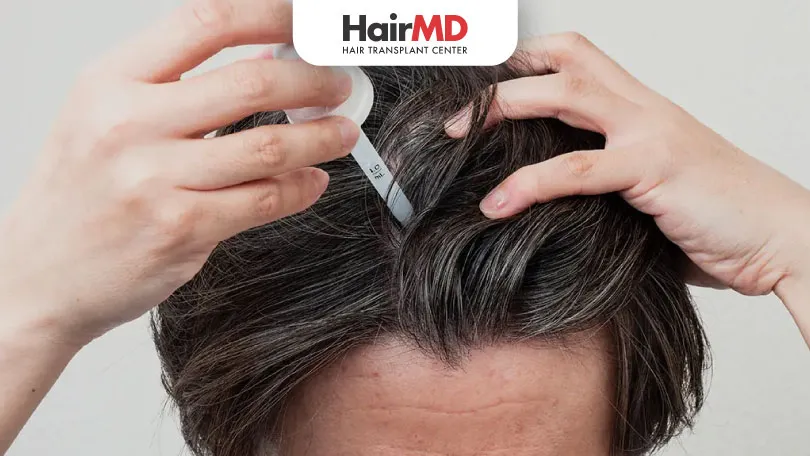
Can-I-Apply-Minoxidil-Solution-Without-Consulting-A-Dermatologist-HairMD-Pune

Table Of Content

  • What Is Minoxidil and How Does It Work?
  • Why Minoxidil Is Available Over the Counter?
  • The Risks of Using Minoxidil Without a Dermatologist
  • Who Should Never Use Minoxidil Without Medical Supervision?
  • Minoxidil Dosage: The Clinical Guide
  • The Initial Shedding Phase: What No One Tells You
  • Side Effects of Unsupervised Minoxidil Use
  • When Minoxidil Alone Is Not Enough?
  • HairMD Treatment Solutions: Going Beyond Minoxidil
  • Frequently Asked Questions
  • Conclusion

What Is Minoxidil and How Does It Work?

Minoxidil was originally developed as an oral antihypertensive drug (brand name Loniten) to treat severe high blood pressure. During clinical trials in the 1970s, physicians observed that patients developed hypertrichosis (excessive hair growth) as a side effect. This led to the formulation of a topical version specifically for the scalp, which received US FDA approval for male pattern baldness in 1988 and female pattern hair loss in 1991.

The mechanism of action has three components:

Potassium channel opening (KATP channel activation): Minoxidil is a potassium channel opener. When applied topically, it causes vasodilation of the small blood vessels (arterioles) surrounding the hair follicles. This improves blood flow and oxygen delivery to the follicle, providing the nutrients required for hair growth.

Prostaglandin E2 upregulation: Minoxidil stimulates prostaglandin E2 synthesis in the dermal papilla cells (the cells at the base of the follicle that control hair growth). Prostaglandin E2 promotes the anagen (growth) phase and helps counteract the prostaglandin D2 that is elevated in balding scalps. Prostaglandin D2 actively suppresses hair follicle growth, and minoxidil helps partially offset this.

Anagen phase prolongation: Minoxidil extends the duration of the anagen (active growth) phase and shortens the telogen (resting) phase. The result is that more follicles are in the growth phase simultaneously, increasing hair density over time.

Critically, minoxidil does not block DHT. It does not address the androgenetic mechanism that is miniaturising your follicles. It improves follicle nutrition and extends growth cycles, but the underlying DHT-driven miniaturisation continues unless blocked by medications such as finasteride (in men) or spironolactone (in women). This is why minoxidil produces better and more sustained results when combined with anti-androgens prescribed by a dermatologist.

Why Minoxidil Is Available Over the Counter?

Minoxidil was moved to OTC status in several countries, including India, because the 2% and 5% topical formulations have a well-established safety profile when used as directed. Unlike finasteride, which has systemic hormonal effects requiring medical monitoring, topical minoxidil has minimal systemic absorption when applied correctly to the scalp.

The OTC availability is about access, not a declaration that self-medication is clinically appropriate. OTC aspirin is also widely available, but using it without understanding your cardiovascular history, drug interactions, or contraindications carries risks. The same logic applies to minoxidil.

In India, many people begin minoxidil based on a recommendation from a pharmacist, a gym acquaintance, or a social media video, without any clinical assessment of their hair loss type. This is the scenario that leads to wasted months, missed diagnoses, and side effects that could have been avoided.

The Risks of Using Minoxidil Without a Dermatologist

Wrong Diagnosis

This is the most costly risk. The most common conditions that mimic androgenetic alopecia but do not respond to minoxidil include:

Iron deficiency telogen effluvium: The most common cause of diffuse hair loss in Indian women. Low ferritin causes widespread shedding. Minoxidil does not replenish iron. The correct treatment is iron supplementation guided by blood tests. Patients who use minoxidil for this condition for 6 months see no improvement and conclude that nothing works, when the actual treatment (iron) would have produced recovery within 3 to 4 months.

Alopecia areata: An autoimmune condition causing patchy hair loss. Minoxidil is sometimes used as an adjunct in mild cases but has no effect on the immune attack driving the condition. The primary treatments are intralesional steroid injections, oral JAK inhibitors, or PRP therapy. Using minoxidil alone for alopecia areata delays the immune-targeted treatment that actually matters.

Thyroid-related hair loss: Hypothyroidism or hyperthyroidism cause diffuse shedding through metabolic disruption of the hair cycle. Minoxidil does not correct thyroid function. This condition requires thyroid medication. Hair recovers within 3 to 6 months of reaching euthyroid status.

Scalp infections (tinea capitis, folliculitis): Fungal or bacterial scalp infections cause hair loss that requires antifungal or antibacterial treatment. Applying minoxidil to an infected scalp can worsen the condition by occluding follicular openings and providing a moist environment for microbial growth.

Scarring alopecias: Lichen planopilaris, frontal fibrosing alopecia, and similar conditions destroy follicles permanently through inflammatory scarring. Minoxidil cannot reverse follicle destruction. These conditions need immunosuppressive treatment to halt progression.

Incorrect Strength

Men and women require different minoxidil concentrations. Women should use 2% solution. Using 5% or 10% minoxidil as a woman significantly increases the risk of hypertrichosis (unwanted hair growth on the face, forehead, and body). This side effect can persist for months after stopping the product.

Within AGA, not everyone with pattern hair loss responds equally to 5% versus 10%. A dermatologist can assess the degree of follicle miniaturisation on trichoscopy and recommend the appropriate concentration along with monitoring for response.

Misreading the Initial Shedding Phase

Between weeks 2 and 8 after starting minoxidil, most patients experience a period of increased shedding called telogen effluvium. This happens because minoxidil pushes follicles that were in the telogen (resting) phase into an abrupt transition toward anagen (growth). Old telogen hairs shed to make way for new anagen growth.

Without a dermatologist explaining this phase in advance, the majority of patients interpret this shedding as the drug making their hair loss worse. Studies suggest that over 50% of patients who discontinue minoxidil prematurely do so within the first 8 weeks, exactly during this expected shedding phase, because they were never counselled about it.

Stopping minoxidil during the initial shedding phase not only wastes the treatment period but causes a rebound shed as the follicles that were transitioning to anagen are disrupted again.

Dependency Without a Long-Term Plan

Minoxidil must be used indefinitely to maintain results. If you stop, hair gained through minoxidil is lost within 3 to 6 months. This is not a problem with the drug; it is the nature of how it works (improving follicle environment rather than correcting the underlying cause). But this needs to be explained and accepted before starting.

A dermatologist builds a long-term plan that includes whether to add finasteride or spironolactone to slow the AGA progression (which can eventually reduce minoxidil dependency), when to consider clinical treatments that produce more durable results, and what the realistic ceiling of minoxidil response looks like for your pattern.

Who Should Never Use Minoxidil Without Medical Supervision?

Condition / Situation

Why Medical Supervision Is Critical

Pregnancy or breastfeeding

Minoxidil is Pregnancy Category C; animal studies show fetal harm. Must not be used.

Confirmed or suspected alopecia areata

Wrong treatment category; immune-targeted therapy is required

Scalp infections, psoriasis, or dermatitis OR TINEA 

Topical minoxidil worsens infected or inflamed scalp; base condition must be treated first

Cardiovascular conditions, low blood pressure

Systemic absorption of minoxidil can cause cardiovascular effects; requires cardiologist clearance

Women using 5% or 10% strength

High risk of facial hypertrichosis; women need 2% only unless specifically directed otherwise

Teenagers (under 18)

Not approved for use in minors; hair loss in this group requires specific evaluation

Hair loss with sudden onset (less than 3 months)

Rapid acute shedding is almost never AGA; the underlying cause needs urgent identification

Nutritional deficiency confirmed or suspected

Minoxidil does not correct deficiencies; the correct path is supplementation based on blood tests

Minoxidil Dosage: The Clinical Guide

Condition / Situation

Why Medical Supervision Is Critical

Pregnancy or breastfeeding

Minoxidil is Pregnancy Category C; animal studies show fetal harm. Must not be used.

Confirmed or suspected alopecia areata

Wrong treatment category; immune-targeted therapy is required

Scalp infections, psoriasis, or dermatitis OR TINEA 

Topical minoxidil worsens infected or inflamed scalp; base condition must be treated first

Cardiovascular conditions, low blood pressure

Systemic absorption of minoxidil can cause cardiovascular effects; requires cardiologist clearance

Women using 5% or 10% strength

High risk of facial hypertrichosis; women need 2% only unless specifically directed otherwise

Teenagers (under 18)

Not approved for use in minors; hair loss in this group requires specific evaluation

Hair loss with sudden onset (less than 3 months)

Rapid acute shedding is almost never AGA; the underlying cause needs urgent identification

Nutritional deficiency confirmed or suspected

Minoxidil does not correct deficiencies; the correct path is supplementation based on blood tests

The Initial Shedding Phase: What No One Tells You?

Every patient starting minoxidil should know this before the first application:

Between approximately week 2 and week 8, you will likely shed more hair than usual. This is called a telogen effluvium induced by minoxidil, and it is a sign that the drug is doing its job. Here is the mechanism:

Your scalp has follicles in various phases at any given time. Some percentage are in telogen (resting, about to shed). Minoxidil rapidly stimulates these telogen-phase follicles toward a new anagen (growth) cycle. To start a new growth cycle, the old telogen hair must shed first. The result is a concentrated shedding of multiple telogen hairs simultaneously, which looks alarming.

After week 8 to 12, shedding normalises. Visible improvement in density typically begins between months 3 and 6. Full assessment of minoxidil’s effectiveness for your pattern of hair loss is not clinically valid until 12 months of consistent use.

The critical instruction: do not stop during weeks 2 to 8. If you are uncertain whether what you are experiencing is normal, this is exactly when a dermatologist follow-up appointment is valuable.

Side Effects of Unsupervised Minoxidil Use

Scalp irritation and contact dermatitis: More common with the solution formulation than with foam. The propylene glycol vehicle in many minoxidil solutions causes irritation in some patients. A dermatologist can switch you to the foam formulation or prescribe an appropriate barrier agent.

Hypertrichosis: Unwanted hair growth on the face (forehead, temples, cheeks) particularly in women using concentrations above 2%. Can take 3 to 6 months to resolve after stopping. Preventable by using the correct concentration with supervision.

Systemic absorption effects: Rare but documented. Minoxidil absorbed through the scalp can cause: palpitations, fluid retention, ankle swelling, and lightheadedness. Patients with any cardiovascular history, blood pressure issues, or kidney disease must use minoxidil under medical supervision.

Scalp dryness and flaking: Minoxidil solutions can reduce scalp sebum, leading to dryness and flaking that is often misdiagnosed as dandruff. A scalp care routine recommended by a dermatologist prevents this.

Rebound shedding on stopping: As noted, stopping minoxidil after extended use causes a significant rebound shed as all the follicles maintained in anagen by minoxidil enter telogen simultaneously. Stopping should always be done with a dermatologist’s guidance on tapering or transitioning to alternative maintenance strategies.

When Minoxidil Alone Is Not Enough?

Minoxidil is a vasodilator and anagen prolonger. It does not address the cause of AGA (DHT-driven follicle miniaturisation) and it does not regenerate follicles that have already been significantly miniaturised. For patients with moderate to advanced hair loss, minoxidil monotherapy produces limited results.

The evidence-based combinations that produce significantly better outcomes than minoxidil alone:

Minoxidil + Finasteride (men): Finasteride blocks 5-alpha-reductase, reducing DHT at the follicle. Minoxidil improves blood supply and extends growth cycles. Combined, they address two different mechanisms simultaneously. Clinical trials show combination therapy produces approximately 2x the hair count improvement of either drug alone.

Minoxidil + PRP Therapy: PRP delivers concentrated growth factors directly to follicles, complementing minoxidil’s vascular mechanism with direct cellular stimulation.

Minoxidil + GFC Therapy: GFC (Growth Factor Concentrate) uses a higher concentration of autologous growth factors than standard PRP. Research shows improved hair density, shaft diameter, and anagen/telogen ratio when combined with minoxidil.

Minoxidil + Dermaroller / Dermapen: Microneedling the scalp before minoxidil application increases absorption by 4 to 5 times by bypassing the stratum corneum barrier. The needling also independently stimulates Wnt/beta-catenin signalling pathways that promote follicle growth. This combination is particularly effective and affordable.

Minoxidil + Mesotherapy: Direct scalp injection of growth vitamins, minerals, and peptides supports minoxidil’s vascular effects with a nutritional component at the follicle level.

HairMD Treatment Solutions: Going Beyond Minoxidil

Many patients arrive at HairMD having used minoxidil alone for 6 to 24 months with partial or no results. A professional evaluation identifies why: wrong diagnosis, inadequate combination therapy, or hair loss that has progressed beyond what minoxidil can reverse alone.

Hair Loss Stage / Situation

Best Approach at HairMD

Expected Outcome

Early AGA, minoxidil not tried yet

Dermatologist consultation + diagnosis-matched protocol

Start correctly from the beginning; best long-term density outcome

Early to moderate AGA, using minoxidil alone

Add PRP or GFC to existing minoxidil regimen

Synergistic improvement; fills gaps minoxidil alone cannot address

Women with diffuse thinning

Blood panel + diagnosis; 2% minoxidil if AGA confirmed, or targeted nutritional/hormonal treatment

Correct diagnosis prevents years of ineffective self-treatment

Alopecia areata, misusing minoxidil

Switch to Intralesional Steroid Injections or PRP

Address the immune mechanism actually driving the condition

Moderate to advanced AGA (NW4+)

FUE Hair Transplant for bald zones + minoxidil for maintenance of existing hair

Permanent restoration in established bald areas

Advanced miniaturisation, follicles not yet dead

Exosome Hair Therapy + minoxidil

Cellular regeneration signals attempt to rescue miniaturised follicles

HairMD sees 250+ patients daily across 7 centres in Pune. Our dermatologists use trichoscopy to assess follicle miniaturisation grade before recommending any treatment. This matters because a follicle that is 50% miniaturised responds very differently to treatment than one that is 90% miniaturised. Guessing without trichoscopy leads to mismatched treatment selection.

Book a Consultation at HairMD

Frequently Asked Questions

Can I start minoxidil without seeing a doctor in India?

You can purchase minoxidil without a prescription at most pharmacies in India. However, the clinical recommendation is that you should not start using it without a diagnosis. The primary reason is that minoxidil only works for androgenetic alopecia and select cases of diffuse telogen effluvium. If your hair loss is caused by iron deficiency, thyroid disorder, alopecia areata, scalp infection, or another condition, minoxidil will produce no benefit while the actual cause continues to damage your follicles. A single dermatologist visit that includes trichoscopy and basic blood tests costs far less (in time and money) than 6 months of ineffective minoxidil use.

What happens if I stop using minoxidil?

All hair regrown or maintained through minoxidil will shed within 3 to 6 months of stopping. This is because minoxidil creates a favourable environment for the follicle but does not change the underlying cause of hair loss. Once removed, follicles return to their pre-minoxidil state. This is why minoxidil is described as a lifetime commitment if used as a standalone treatment. A dermatologist can build a plan that either combines minoxidil with treatments that address the underlying cause (potentially reducing long-term dependency) or transitions you to maintenance treatments if needed.

Which is better, 5% or 2% minoxidil for men?

For men with androgenetic alopecia, 5% minoxidil is the standard first-line concentration. The original landmark clinical trial (Olsen et al., 2002) demonstrated that 5% minoxidil produced 45% more hair regrowth than 2% in men over 48 weeks. The 10% concentration is used in some cases of more advanced loss or poor response to 5%, but only under medical supervision due to increased side effect risk. Men should not use 2% unless advised by a physician; it is a subtherapeutic dose for AGA in men.

How long does minoxidil take to work?

Most patients see no visible improvement for the first 3 months; this is normal. Initial shedding occurs in weeks 2 to 8 as the drug transitions telogen follicles to anagen. Visible density improvement typically begins around months 3 to 6. Peak benefit is seen at 12 months of consistent twice-daily use. Clinical assessment of minoxidil response should not be made before 12 months. Stopping at 3 months because you see no result, or because shedding increased, is one of the most common and costly mistakes patients make without a dermatologist explaining the timeline.

Can women use 5% minoxidil?

Generally no, without specific medical supervision. The 2% concentration is approved for women. The 5% foam formulation has been studied in women and is sometimes prescribed off-label, but comes with an increased risk of hypertrichosis (facial hair growth on the forehead, temples, and cheeks). This side effect may persist for 3 to 6 months after stopping the product. Women should use 2% unless a dermatologist specifically advises otherwise and monitors for this side effect.IN FEMALE PATTERN HAIR LOSS GR 3 WE HAVE TO START WITH 5% LOTION

Is minoxidil effective for a receding hairline?

Minoxidil is less effective at the hairline than at the vertex (crown) and mid-scalp. The hairline follicles in androgenetic alopecia are typically the most DHT-sensitive and most advanced in miniaturisation by the time hair loss is visible. While minoxidil may slow further recession and occasionally improve hairline density in very early loss, it is not a reliable treatment for restoring a significantly receded hairline. For hairline restoration, a combination of DHT-blocking medication (finasteride in men) and, where follicles are permanently miniaturised, FUE hair transplant is the evidence-based approach.

Conclusion

Minoxidil is one of the two FDA-approved treatments for androgenetic alopecia and, when used correctly for the right diagnosis, it is effective. The problem is not the drug. The problem is using it without knowing whether it is the right drug for your hair loss type, without understanding the shedding phase that causes most people to quit too early, and without a long-term plan that accounts for the fact that minoxidil must be used indefinitely or supplemented with treatments that address the underlying cause.

A dermatologist’s evaluation is not a bureaucratic step. It is the difference between 12 months of correctly targeted treatment and 12 months of ineffective self-medication while the actual condition progresses untreated.

At HairMD Pune, a trichoscopy-based evaluation takes approximately 30 minutes and identifies not just whether you have AGA, but the precise grade of miniaturisation, the treatment window available to you, and the combination protocol that gives you the best realistic outcome. With 15+ years of clinical experience and 4,157+ successful hair transplants across 7 centres in Pune, our team manages both early-stage hair loss prevention and advanced restoration.

Book Your Consultation at HairMD

Dr Dhanraj Chavan
Written by HairMD Content Team | Medically Reviewed by Dr. Dhanraj Chavan On August 24, 2026

Popular Q&As

We Got Your Back! Ask Us Anything On Your Mind!

Reach out to us on

Whatsapp