


Dry scalp and flaking from Minoxidil is usually caused by the alcohol or propylene glycol in liquid formulations drying out the scalp. The most effective fixes are switching to foam-based Minoxidil, using a ketoconazole or moisturising shampoo, and applying a light scalp moisturiser. In most cases, this side effect is temporary and fully manageable without stopping treatment.
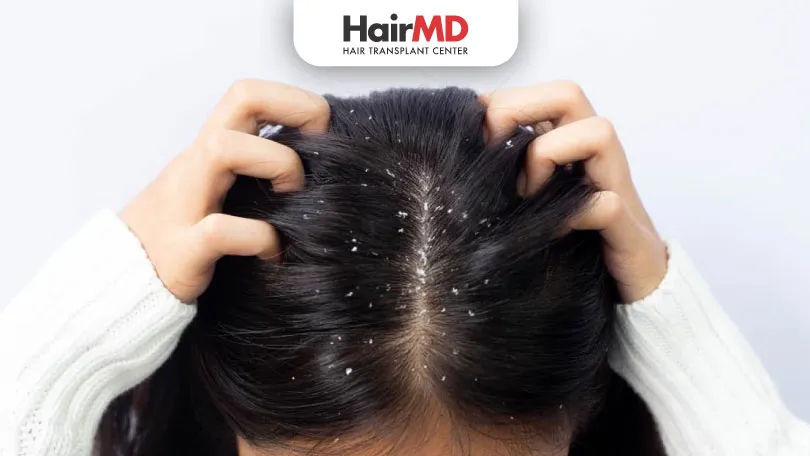
But with all these benefits, there is also an associated side effect that is easily noticeable – dandruff over the scalp area. When people use it for a while, they might experience dry scalp flakes over the scalp. Since Minoxidil is working on increasing the blood flow (to the scalp) of the user, it can also lead to dryness in the affected areas as well.
These dry flakes are often referred to as minoxidil flakes. At HairMD, patients often ask us, ‘How to get rid of Minoxidil flakes?’ or ‘How to get rid of dry scalp?’ Well, I will try to answer all the queries along with the benefits and side effects of Minoxidil.
Table Of Content
-
How to Get Rid of Dry Scalp Flakes Due to Minoxidil?
- Minoxidil Flakiness: How to deal with it?
- 7 Proven Ways to Get Rid of Minoxidil Flakes
- FAQ
- Conclusion
How to Get Rid of Dry Scalp Flakes Due to Minoxidil?
Dry, flaky scalp after starting Minoxidil is common and frustrating—but it’s also manageable with the right care. In this guide, you’ll learn why it happens, quick fixes you can try today, and expert-backed tips to keep your scalp calm while staying on track with hair growth goals. Answered by hair specialists in Pune.
Minoxidil Flakiness: How to deal with it?
Flakes or minoxidil dandruff can either be dried minoxidil or dried skin from the scalp. After figuring out what it is exactly, you can go with the treatment part. This condition is temporary. If you are using minoxidil regularly then you should know that it contains alcohol. So when you apply it every day on the scalp, the alcohol in it vaporizes and the remaining contents of minoxidil remain on the scalp which causes flakes.
7 Proven Ways to Get Rid of Minoxidil Flakes
Fix 1: Switch to Foam-Based Minoxidil
This is often the single most effective change. Minoxidil foam formulations are typically alcohol-free and propylene glycol-free, making them far gentler on sensitive scalps. Clinical studies confirm foam Minoxidil produces comparable hair regrowth results to liquid formulations while significantly reducing scalp irritation. If you’ve been using liquid Minoxidil and experiencing persistent flaking, speak to your dermatologist about switching to foam before considering reducing your dose.
Fix 2: Use a Ketoconazole or Anti-Dandruff Shampoo
If your flaking resembles greasy, yellowish dandruff (seborrhoeic dermatitis), a medicated shampoo is essential. Look for shampoos containing:
- Ketoconazole 1–2% — antifungal that targets Malassezia yeast responsible for seborrhoeic dermatitis
- Pyrithione Zinc 1% — antimicrobial and antifungal for dandruff control
- Salicylic Acid — gently exfoliates dead skin and removes built-up flakes
How to use: Apply medicated shampoo 2–3 times per week. Allow it to sit on the scalp for 3–5 minutes before rinsing. Use a mild, sulphate-free moisturising shampoo on other days. Always apply Minoxidil after washing and completely drying your scalp.
Fix 3: Moisturise Your Scalp Regularly
Restoring scalp hydration is crucial. Apply a light, non-comedogenic scalp moisturiser or serum after Minoxidil has fully absorbed (allow 2–4 hours post-application).
Good ingredients to look for:
- Hyaluronic acid — draws moisture into the skin
- Aloe vera — soothes inflammation and restores the moisture barrier
- Panthenol (Pro-Vitamin B5) — repairs the skin barrier
- Niacinamide — reduces irritation and supports barrier function
Avoid heavy oils immediately before Minoxidil application as they can reduce drug absorption.
Fix 4: Reduce Application Frequency (Only With Doctor’s Guidance)
If flaking is severe and other measures haven’t helped, your dermatologist may recommend temporarily reducing Minoxidil from twice daily to once daily to reduce the cumulative drying effect. Do not reduce frequency without medical guidance — inconsistent use can result in losing hair regrowth gains, and shedding can occur within 3–4 months of stopping.
Fix 5: Gently Exfoliate Your Scalp
Use a soft-bristled scalp brush or gentle scalp scrub (with fine exfoliants like sugar or salicylic acid) once a week to:
- Lift and remove dead skin cells
- Improve blood circulation to follicles
- Allow better Minoxidil absorption
Be gentle — aggressive scrubbing can damage the scalp barrier and worsen irritation. Never exfoliate on broken or actively irritated skin.
Fix 6: Adjust How You Apply Minoxidil
Incorrect technique is an often-overlooked contributor to flaking:
- Apply to a completely dry scalp — wet skin reduces absorption and causes more residue
- Use only the recommended amount — excess solution pools and dries into visible white flakes
- Part the hair in sections to apply directly to the scalp, not hair shafts
- Allow full drying before bed — at least 2–4 hours — to prevent transfer onto pillowcases, which can further irritate the scalp
Fix 7: Support Skin Health From Within
Internal hydration directly affects scalp health. Chronic dehydration worsens dry skin conditions. Aim for adequate water intake daily. A diet rich in omega-3 fatty acids (flaxseed, walnuts, fatty fish) and Vitamin E (nuts, seeds, avocado) supports skin barrier integrity and can reduce scalp dryness over time.
FAQ
Conclusion

Written by HairMD Content Team | Medically Reviewed by Dr. Dhanraj Chavan On May 21, 2026
Popular Q&As
How to use dermaroller and minoxidil for hair loss?
How to use a dermaroller and minoxidil for hair loss? Dr Dhananjay Chavan dermatologist has given all information, follow the steps to get more idea about it.
Does PRP work for hair loss in men?
Let us try to know Does PRP for hair loss in men really work. I Dr. Dhananjay Chavan renowned dermatologist will try to give all the information about PRP.
Should You Use Minoxidil for Hair Loss?
Minoxidil is a leading treatment for hair loss. Find out if it’s the right option for your hair thinning and how it promotes regrowth.
We Got Your Back! Ask Us Anything On Your Mind!
Reach out to us on