

Side Effects of Hair Transplant: Insights from Dermatologist


Written by HairMD Content Team | Medically Reviewed by Dr. Dhanraj Chavan On November 15, 2024


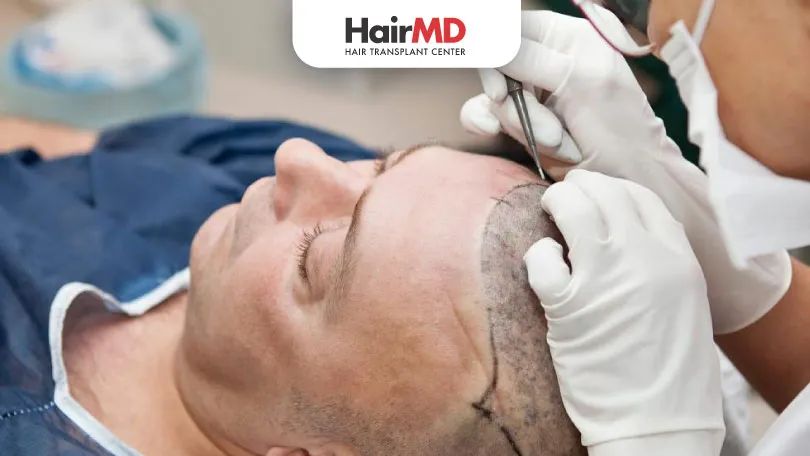
What’s covered in the article?
- Common Side Effects of Hair Transplant
- Preparing for a Hair Transplant
- Psychological Impact of Hair Loss and Restoration
- Patient Concerns
- Conclusion
Common Side Effects of Hair Transplant
While generally safe, hair transplants can have side effects. Knowing these can help manage expectations and ensure a smooth recovery.
Allergic Reactions to Local Anesthesia
Local anesthesia, such as lignocaine, is used to numb the area during the procedure. Rarely, patients may experience allergic reactions. To mitigate this risk, a test is often conducted to check for allergies. If you have a history of allergic reactions, inform your surgeon ahead of time.
Swelling After the Procedure
Swelling is a common occurrence post-surgery, appearing within the first couple of days. It may extend to the face due to gravity. Resting with an elevated head can help minimize it. Though it might look alarming, the swelling usually subsides within a few days.
Pain and Numbness
Pain is minimal, typically limited to the anesthesia administration. Post-surgery, some patients may experience numbness in the grafted areas, lasting from 15 days to three months. This is generally temporary and resolves itself.
Preparing for a Hair Transplant
Proper preparation can significantly enhance the success of your hair transplant:
- Consult Thoroughly: Discuss your medical history, allergies, and expectations with your surgeon. Understanding the procedure and setting realistic goals is crucial.
- Avoid Certain Medications: Your surgeon might advise you to discontinue some medications that can increase bleeding risk, like aspirin.
- Plan for Recovery: Arrange for time off work and help at home, especially during the initial recovery days.
Post-Operative Care Tips
Post-operative care is essential for optimal recovery and results:
- Follow Care Instructions: Adhere strictly to the care instructions provided by your surgeon, including wound care and medications for pain and infection prevention.
- Gentle Hair Care: Use mild shampoos and avoid vigorous scalp handling.
- Watch for Infections: Be vigilant for signs such as redness, swelling, or pus. Contact your doctor immediately if they occur.
Long-Term Benefits and Considerations
Hair transplants offer several long-term benefits, along with considerations:
- Natural Results: Hair transplants provide a natural look as they use your own hair, enhancing aesthetics and confidence.
- Permanent Solution: Unlike temporary hairpieces, transplants offer a permanent solution to hair loss.
- Consider Future Hair Loss: Plan with the Best Dermatologist to accommodate future hair thinning or loss, ensuring a balanced and natural appearance over time.
Psychological Impact of Hair Loss and Restoration
Hair loss can significantly affect self-esteem and confidence. For many, a hair transplant is not just a physical change but a psychological boost that can improve overall quality of life. Understanding the emotional journey of hair restoration can prepare you for the positive changes ahead.
Choosing the Right Clinic and Surgeon
Selecting the right clinic and surgeon is crucial:
- Research Credentials: Ensure your surgeon is certified and experienced in hair transplants.
- Check Reviews and Testimonials: Patient reviews can provide insight into the surgeon’s skill and patient care.
- Consult Multiple Clinics: Meet with HairMD Clinic to find one that makes you feel comfortable and informed.
Patient Concerns
Is a hair transplant painful?
While the procedure involves minimal pain due to anaesthesia, most patients report discomfort as manageable.
How long does recovery take?
Initial recovery lasts a few days, but full results can take 12 to 18 months to appear.
Will the results look natural?
With a skilled surgeon, hair transplants can provide very natural-looking results.
DO YOU KNOW?
Nearly 250 Patients Visit HairMD
Everyday For Various Hair Concerns
(15+ Years Of Expertise. 4157+ Successful Hair Transplant)
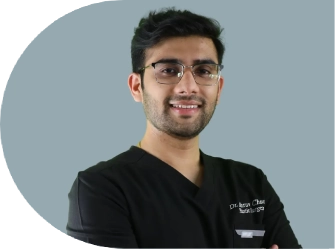
Meet Our Dermatologists

Conclusion
Understanding the side effects and comprehensive care involved in a hair transplant can greatly enhance the procedure’s success. With the guidance of a skilled surgeon like Dr. Sachin Pawar and adherence to proper care protocols, patients can look forward to a successful hair restoration journey. For additional questions or support, Dr. Sachin Pawar and the team at HairMD Pune are committed to providing comprehensive care and guidance throughout your hair restoration experience.
Further Reading
Beard Hair Transplant: Can Beard Hair Be Used for Hair Transplant? | HairMD
Yes, beard hair can be used for hair transplant but only in specific cases. HairMD dermatologists explain when it’s used, how many grafts it yields, its advantages and limitations.
Can Hair Loss Be Reversed?
Wondering if hair loss can be reversed? Discover effective treatments for regrowing your hair!
PRP vs Minoxidil for Hair Loss: Which Works?
PRP vs minoxidil for hair loss – how each works, results, cost, and which suits you, plus whether to combine them, from HairMD Pune.
Can Creatine Cause Hair Loss?
Does creatine increase hair loss? Discover the evidence, common myths, possible risks, and when to consult a hair specialist at HairMD.
Have thoughts? Please let us know
We are committed not only to treating you, but also educating you.