



Written by HairMD Content Team | Medically Reviewed by Dr. Dhanraj Chavan On December 25, 2025


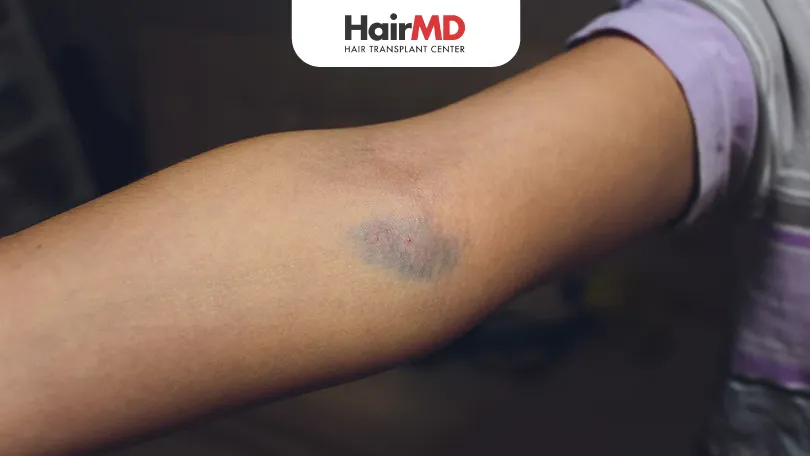
IV drip therapy can help improve energy, skin health, and overall wellbeing, but like any medical treatment, it may have side effects that every patient should understand before starting.
IV drip therapy is becoming very popular for boosting energy, improving skin, and even helping with hair growth. It delivers vitamins and fluids directly into your bloodstream, which sounds great. But like any medical treatment, it’s important to know about the possible side effects.
Understanding the risks helps you make a safe choice. This guide will walk you through the common, rare, and more serious side effects of IV therapy. We will also explain the simple steps you can take to ensure your treatment is as safe as possible.
What’s covered in the article?
- Common and Mild Side Effects of IV Drip Therapy
- Rare Side Effects You Should Be Aware Of
- Severe but Extremely Rare Risks
- How to Minimise Side Effects and Ensure Safe IV Drip Therapy
- FAQ
- Conclusion
Common and Mild Side Effects
Most people who get IV drips Treatment have a smooth and easy experience. When side effects do happen, they are usually minor and go away quickly on their own. These are the most common issues you might encounter.
Bruising or Swelling at the Injection Site
The most frequent side effect is a small bruise or some swelling where the needle was inserted. This happens when a tiny bit of blood leaks from the vein into the surrounding tissue. It’s similar to the bruise you might get after a blood test.
This is completely normal and usually fades within a few days. Applying a cold pack to the area can help reduce swelling.
Mild Discomfort or Irritation
Some people feel a slight pinch or a bit of discomfort when the IV catheter is inserted. You might also feel a cool sensation as the fluid enters your vein. During the treatment, the area might feel a little irritated.
This discomfort is typically very mild and stops once the drip is finished and the catheter is removed. If you feel any significant pain, you should tell the medical professional immediately.
Dizziness or Nausea
Occasionally, patients may feel a little dizzy, lightheaded, or nauseous during or right after their session. This can happen if the drip is administered too quickly or if your body is just adjusting to the sudden influx of vitamins.
These feelings are usually temporary and pass within a few minutes. Lying down for a short while after the treatment can help. It’s also a good idea to have a small snack before your appointment.
Quick Facts About IV Drip Therapy Safety
- Procedure type: Medical nutrient infusion
- Who should administer it: Trained doctor or nurse
- Most side effects: Mild and temporary
- Serious risks: Extremely rare
- Key safety factor: Proper medical screening
Rare Side Effects to Be Aware Of
While uncommon, some more serious side effects can occur. These risks are why it is so important to have your IV therapy performed by a trained medical professional in a clean, sterile environment.
Infection at the Injection Site
Any time the skin is broken, there is a small risk of infection. If the equipment is not sterile or if the injection site is not cleaned properly, bacteria can enter the skin. Signs of an infection include redness, warmth, pus, and pain that gets worse instead of better.
Reputable clinics, such as HairMD Clinic Pune, follow strict hygiene protocols to prevent this from happening.
Vein Inflammation (Phlebitis)
Phlebitis is the inflammation of a vein. It can happen if the IV catheter irritates the vein wall or if the solution itself is irritating. The vein may become sore, red, and feel hard to the touch.
This condition is not common and usually resolves on its own, but a warm compress can help soothe the area. Using smaller catheters and proper insertion techniques greatly reduces this risk.
Allergic Reactions
Although rare, it is possible to have an allergic reaction to one of the vitamins or minerals in the IV drip. Symptoms can range from a mild skin rash and itching to more severe reactions like difficulty breathing and swelling of the face or throat.
This is why a thorough medical consultation is essential before your first treatment. You must tell your doctor about any known allergies you have.
Severe but Extremely Rare Risks
Some risks are extremely rare but are important to know about. These severe complications almost never happen when the procedure is done correctly by a qualified professional.
Fluid Overload
If too much fluid is given too quickly, it can overwhelm the body. This is a particular concern for people with pre-existing heart or kidney conditions, as these organs may struggle to process the excess fluid. Symptoms can include swelling in the legs and difficulty breathing.
Electrolyte Imbalance
Vitamins and minerals are also called electrolytes. An IV drip with an incorrect formula can disrupt your body’s natural balance of electrolytes. For example, too much potassium can be dangerous for the heart. This is why customised drips should only be created and administered by medical experts who understand your health needs.
Air Embolism
An air embolism occurs when an air bubble enters a vein and travels through the bloodstream, which can be very dangerous. However, this is an extremely rare complication in modern IV therapy. Trained professionals use techniques that prevent air from entering the IV line, making this risk practically zero in a clinical setting.
How to Minimise Risks and Ensure a Safe Treatment?
The best way to protect yourself is to choose the right clinic and be open about your health history. Safety should always be the number one priority.
First, ensure your IV therapy is performed by a licensed and trained healthcare professional, like a doctor or a registered nurse. Ask about the clinic’s sterilisation and safety procedures.
Second, provide a complete and honest medical history to your doctor before the treatment. Inform them about any allergies, medications you are taking, and any chronic health conditions you have, especially heart, kidney, or blood pressure issues. This information allows the team at a trusted facility like HairMD Clinic & ClearSkin Clinic Pune to ensure the treatment is safe for you.
By taking these simple precautions, you can enjoy the benefits of IV drip therapy while keeping the risks to an absolute minimum.
FAQs
- What is IV drip therapy used for?
IV drip therapy is used for a variety of purposes, including hydration, vitamin supplementation, boosting energy levels, aiding recovery, and improving overall wellbeing. It can also be tailored to specific needs, such as enhancing immunity or combating fatigue. - Is IV drip therapy painful?
The process involves inserting a small needle into a vein, which may cause minor discomfort similar to a quick pinch. Once the drip is in place, most patients find the experience relaxing and pain-free. - How long does an IV drip therapy session take?
An IV drip therapy session typically takes 30 to 60 minutes, depending on the specific treatment plan. During this time, patients can sit back and relax as the nutrients are administered directly into the bloodstream.
DO YOU KNOW?
Nearly 250 Patients Visit HairMD
Everyday For Various Hair Concerns
(15+ Years Of Expertise. 4157+ Successful Hair Transplant)
Meet Our Dermatologists



Conclusion
IV drip therapy can be a helpful and effective treatment when used correctly and under medical supervision. Most side effects are mild and temporary, such as minor bruising or slight discomfort at the injection site. Serious complications are extremely rare and usually occur only when proper medical screening and safety protocols are not followed.
The key to safe IV drip therapy is choosing a qualified clinic, sharing your complete medical history, and following the Hair Specialist’s guidance before and after treatment. When customised to your health needs, IV therapy can provide benefits while keeping risks to a minimum.
If you are considering IV drip therapy, a proper consultation with a doctor is essential. A personalised approach ensures the treatment is safe, suitable, and aligned with your health goals, giving you confidence and peace of mind throughout the process.
Further Reading
Does Cold Water Really Help Your Hair? Separating Fact From Myth
You’ve heard that rinsing with cold water makes hair shinier and stronger.
What Should I Do About Dandruff and Scalp Issues?
Dandruff, seborrheic dermatitis, scalp psoriasis, and dry scalp, they look similar but need different treatments. HairMD dermatologists explain how to identify each and what actually works.
Does Heat Damage Really Ruin Your Hair? The Science Explained
Yes, heat damage is real, and mostly permanent. HairMD explains exactly how heat ruins hair at the structural level, at what temperatures damage occurs, and how to minimise it without giving up styling.
How to Get Healthier Hair Without Expensive Treatments?
You don’t need expensive salon treatments for healthier hair. HairMD dermatologists explain what actually improves hair health, from diet and scalp care to habits that protect hair from daily damage.
Have thoughts? Please let us know
We are committed not only to treating you, but also educating you.