

Long-Term Maintenance After Hair Transplant – Pune Guide


Written by HairMD Content Team | Medically Reviewed by Dr. Dhanraj Chavan On January 31, 2026


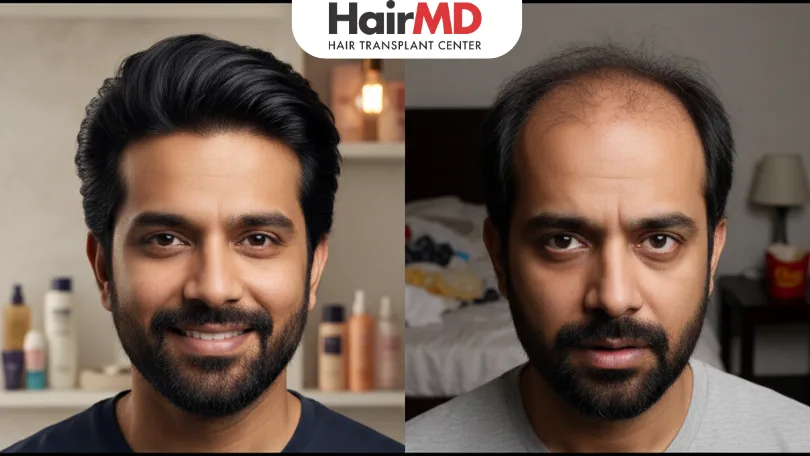
Your FUE hair transplant surgery might be complete, but your hair restoration journey has just begun. Long-term maintenance requires lifelong commitment to medications, regular follow-ups with Dr. Sachin Pawar.
Dr. Sachin Pawar, Chief Hair Transplant Surgeon at HairMD India with over 2,500 successful surgeries, emphasizes that patients who follow structured maintenance protocols see results lasting 15-20 years or more. Those who skip medications often face disappointing outcomes within 5 years.
What’s covered in the article?
- Key Takeaways
- Understanding Your Hair Transplant Timeline
- The Medication Protocol: Your Essential Commitment
- PRP Therapy: Maintenance Enhancement
- Daily Habits That Impact Results
- Maintenance Costs: Budget Reality
- Follow-Up Schedule with Dr. Sachin Pawar
- Red Flags Requiring Immediate Attention
- What to Expect Long-Term?
- Frequently Asked Questions
- Conclusion
Key Takeaways
- Prevent costly revision surgery by maintaining daily medications (₹1,600-3000/month) versus paying ₹60,000-150,000 for procedures that proper maintenance could have avoided.
- Results progressively improve over 12-18 months when following Dr. Sachin Pawar’s protocol at HairMD India, with visible growth at 6-9 months and full density by month 12-15.
- Medications protect your investment – minoxidil and finasteride prevent further hair loss around transplanted areas where native hair remains vulnerable to DHT.
- Regular follow-ups at 3, 6, and 12 months reduce revision surgery rates from 25% to under 5% by catching complications early.
Understanding Your Hair Transplant Timeline
Setting realistic expectations separates satisfied patients from disappointed ones. Here’s what actually happens after your FUE hair transplant at HairMD India Pune.
The First 3 Months: Critical Healing
Shock loss occurs in nearly all patients between days 14-30. This is normal – transplanted hair falls out while follicles remain embedded, entering dormant recovery.
Scabs form within 24-48 hours and naturally shed by week 2. Don’t pick them – let them fall during gentle shampooing 5 days post surgery.
Grafts anchor permanently around day 10-14 but remain vulnerable for the first month. Avoid swimming pools, and strenuous exercise.
Months 3-9: The Waiting Phase
First “peach fuzz” appears around month 3-4, looking thin and wispy. This tests patience the most.
Visible growth that others notice starts between months 6-9. Timing varies based on biology, age, and medication consistency. Younger patients (under 35) often see results 4-6 weeks earlier than those over 45.
Many abandon medications during this phase seeing no immediate results. This is a critical mistake – medications protect native hair around transplants from continued thinning.
Months 9-18: Results Emerge
By month 12, expect 75-80% of final results. Most patients schedule “after” photos at this milestone.
Full density is achieved by months 12-15 for most patients. Some slower growers reach 100% by month 20. If significant gaps remain past month 18, consult Dr. Sachin Pawar about additional grafts.
Understanding this timeline helps set realistic expectations and maintain proper habits.
The Medication Protocol: Your Essential Commitment
Most patients need indefinite medication use to protect their investment.
Minoxidil: Application Guidelines
Apply minoxidil 5% solution twice daily – morning and before bed. Use a dropper for 1ml directly to the scalp, massage gently across thinning areas and the transplant zone.
Expect shedding during the first 2-3 months – this indicates medication pushing weak hairs out for stronger growth.
Finasteride: DHT Protection
Finasteride 1mg daily tablet blocks DHT causing male pattern baldness. Transplanted hair is permanent and DHT-resistant from donor zone genetics. However, native hair around transplants remains vulnerable.
Without finasteride, native hair continues thinning, creating a “halo effect” where transplant looks good but surrounding hair disappears. This defeats the purpose and often requires additional surgery.
Take at same time daily – with breakfast or dinner builds routine. Side effects affect under 2% of men, usually resolving within the first months.
Dr. Sachin Pawar recommends starting finasteride before noticing thinning around transplants. Prevention beats regrowth attempts after hair loss.
Cost: ₹300-500/month depending on brand.
Long-Term Medication Reality
Ideally, continue medications indefinitely for optimal native hair protection.
Stopping minoxidil: Gradually lose extra stimulated growth over 3-6 months, returning to pre-treatment baseline.
Stopping finasteride: Native hair resumes genetic thinning pattern over 6-12 months.
Transplanted follicles stay permanent regardless, but thinning native hair creates sparse, unnatural appearance.
PRP therapy can partially substitute after year 3-4, though more expensive. Works best for patients with strong hair genetics.
Ten-year cost-benefit: ₹300,000-600,000 in medications versus ₹60,000-150,000 revision surgery plus ongoing medications anyway. Consistent maintenance costs less than fixing problems later.
Only pause medications under Dr. Sachin Pawar’s guidance after 3+ years of stable results with slow progression indicators.
PRP Therapy: Maintenance Enhancement
Platelet-Rich Plasma therapy isn’t mandatory but effectively complements maintenance.
How PRP Works?
PRP involves drawing a small blood amount (32ml), centrifuge processing to concentrate platelets, then scalp injection under local anesthesia. Growth factors in platelets stimulate dormant follicles and strengthen existing hair.
Think of PRP as scalp fertilizer. Medications prevent loss while PRP actively promotes thicker, healthier growth.
Clinical studies show PRP increases hair count 15-30% and thickness 20-40% with standard protocols. It extends anagen (growth) phase and increases follicle blood flow, producing longer, thicker strands.
Schedule and Costs in Pune
Standard HairMD India protocol: Initial series of few sessions are done in the first 3-4 months post-transplant. Jump-starts growth and helps follicle establishment.
The most common protocol that is followed at HairMD is PRP after hair transplant surgery, and PRP is done again after 45 days.
Maintenance: Every 6 months thereafter. Some stretch to 8-9 months after year 3 with excellent stability.
Cost at HairMD India Pune: ₹3,000-15,000/session depending on area and method. Average ₹8,000-10,000/session. Annual maintenance: ₹16,000-20,000 for twice-yearly sessions.
Compared to Mumbai/Delhi: Pune offers 20-30% savings. Mumbai charges ₹12,000-20,000/session for identical treatment.
For detailed breakdown, see PRP cost guide.
When PRP Makes Sense
Consider PRP if: Native hair visibly thins despite medications, aggressive family balding patterns, over 45 wanting maximum density, or shock loss unrecovered by month 6.
Can skip if: Excellent medication response, no aggressive baldness family history, under 35 with minimal native thinning, or budget constraints.
Dr. Sachin Pawar’s assessment: 70% of committed patients see beneficial PRP results. The other 30% maintain well with medications alone.
Daily Habits That Impact Results
Daily routine matters more than expensive treatments.
Hair Washing Practices
Use only gentle, sulfate-free shampoos. Sulfates strip oils and irritate healing grafts during first 6 months. Look for “sensitive scalp” or “color-treated hair” labels – typically sulfate-free.
Water temperature matters. Hot water damages hair protein bonds and strips protective scalp oils. Use lukewarm or slightly cool water.
Pat dry with towel – don’t rub vigorously. Rubbing creates friction dislodging grafts during the first month and causing breakage post-healing.
Nutrition for Hair Health
Hair is protein (keratin). Need 50-60g daily protein from eggs, chicken, dal, paneer, Greek yogurt, fish.
Biotin essential for structure. Sources: almonds, walnuts, spinach, sweet potatoes, eggs. One daily egg plus a handful of mixed nuts provides most biotin needs without supplements.
Iron deficiency is a major poor growth cause. Include dark leafy greens, beetroot, pomegranate, lean red meat. Pair iron foods with vitamin C (citrus, tomatoes) improving absorption.
Avoid excessive sugar and processed foods causing insulin spikes worsening thinning in susceptible individuals.
HairMD India Pune advises a nutritional diet for faster hair growth.
Stress and Sleep Management
Chronic stress hormone cortisol directly damages follicles. Constant stress defeats medication and PRP effectiveness.
Seven to eight hours of quality sleep is non-negotiable. Follicles do most repair and growth during sleep. Chronic sleep deprivation (under 6 hours nightly) reduces growth rates 15-25%.
Pune has excellent yoga studios and meditation centers. Consider morning yoga class or 10-15 minutes pre-bed meditation. Small amounts measurably reduce cortisol.
Corporate professionals in Viman Nagar, Kharadi, Hinjewadi IT hubs often neglect stress management. Small changes like 20-minute lunch walks and 5-minute deep breathing add up.
If chronic stress/anxiety affects daily life, discuss counseling. Mental health directly impacts physical health including transplant results.
Exercise Guidelines
Wait one month post-surgery before returning to the gym. Heavy lifting and heart rate-increasing exercises can raise blood pressure causing graft site bleeding during the first month.
Pune outdoor activities (Panshet trekking, Sinhagad cycling, Mula-Mutha runs) are safe to resume one month post-surgery.
See comprehensive hair care guide for detailed tips.

Maintenance Costs: Budget Reality
Monthly Ongoing Costs:
- Minoxidil: ₹500-800
- Finasteride: ₹300-500
- Specialized shampoos: ₹700-900
- Total: ₹1,500-2,200/month
- Annual: ₹18,000-26,400
Periodic Maintenance:
- PRP therapy: ₹8,000-10,000/session, twice yearly = ₹16,000-20,000/year
- Follow-up consultations: ₹700-1,000/visit, 3-4 first year = ₹2,000-6,000
- Blood tests (if on finasteride): ₹2,000-2,500/year
Total Investment:
- First year: ₹40,000-70,000
- Years 2-10 average: ₹25,000-50,000/year
Cost Savings:
- Followup Charges – 50% saving.
- Discounted PRP – 30% savings.
- Generic medications: 30-50% savings versus branded
- Pune vs Mumbai: 30-40% lower medication costs
- Pune vs Delhi: 25-35% lower PRP costs
IMP Note: Don’t skip medications to save money – revision surgery costs ₹60,000-150,000 plus ongoing medications anyway. Prevention is always cheaper than repair.
Follow-Up Schedule with Dr. Sachin Pawar
Why Regular Monitoring Matters
Early complication detection (infection, poor growth, medication side effects) allows immediate intervention before problems worsen. Progress documentation with standardized photos creates objective records. PRP timing optimization and medication adjustments depend on tracking responses.
HairMD India Protocol
After Hair Transplant:
- The first visit is scheduled on the 5th day for a head wash.
- The second visit is scheduled 15 days later to assess scalp scabbing and healing progress.
- The third visit is scheduled 45 days after the procedure for the second PRP treatment and hair growth evaluation.
- Subsequent visits will be scheduled as needed based on hair growth progress.
Month 6: Growth evaluation. Visible hair should progress well. Slower growth triggers protocol adjustments – possibly adding PRP, increasing minoxidil, checking nutritional deficiencies. Progress photos taken.
Month 12: Final result assessment. 75-80% reach final density. Professional documentation, long-term strategy discussion, ongoing follow-up frequency determination.
Annual thereafter: Long-term maintenance, early thinning detection. Quick 15-20 minute check-ins ensuring continued progress, protocol aging adjustments.
For appointment preparation, see essential questions guide.
Red Flags Requiring Immediate Attention
Infection Warning Signs
❗ Persistent redness not fading or worsening after week 3 signals infection.
❗ Pus or discharge from grafts (yellow/green) means bacterial infection requiring immediate antibiotics. Don’t delay – permanent follicle damage possible.
❗ Fever above 100°F after first week suggests body fighting infection.
❗ Increasing pain opposite of expected trajectory indicates potential infection or folliculitis.
❗ Foul scalp odor suggests bacterial overgrowth. Pune’s monsoon increases infection risk – extra vigilance June-September.
Poor Growth Indicators
No “peach fuzz” by month 5-6 concerning. Should see thin wispy regrowth even if not cosmetically significant. Complete absence suggests poor graft survival.
Patchy growth by month 10 with excellent areas but completely bare sections indicates non-surviving grafts. Occurs in 5-10% cases, usually requiring additional grafts.
Shock loss unrecovered by month 6 sometimes indicates permanent loss. Most resolves months 4-6.
Native Hair Thinning Despite Medications
Visible thinning around transplant despite medication compliance means insufficient medication effectiveness. Creates “hair island” surrounded by thinning native hair.
Requires medication adjustment: increased finasteride dosage, adding dutasteride (stronger DHT blocker), implementing quarterly PRP, or discussing early secondary transplant.
For potential issues, read the side effects guide.
What to Expect Long-Term?
Years 1-5: Peak Results
Peak density with proper maintenance. Hair at absolute best. Transplanted follicles fully mature, medications protecting native hair effectively. Most patients maintain high confidence during this period.
Years 5-10: Gradual Changes
Natural aging causes gradual density changes for some despite medications. Transplanted hair stays permanent but surrounding native hair may continue thinning.
30-40% of patients need minor touch-ups during this period, typically 2,000-2,500 grafts costing ₹100,000-200,000.
Years 10-15: Realistic Expectations
Transplanted hair remains but overall density may be noticeably less than year 5 due to age-related thinning. 15-20% opt for second, larger procedure.
Others contend with slightly thinner density at 45-50 versus 35-40.
Years 15+: Genetics Dependent
Very long-term outcomes depend heavily on genetics and medication compliance. Some maintain excellent appearance for 20+ years. Others need 2-3 procedures over decades maintaining coverage as native hair continues the genetic pattern.
Key insight: Hair transplant provides permanent hair in treated areas but doesn’t stop genetic hair loss pattern. Medications dramatically slow the pattern but don’t entirely stop it for everyone.
Frequently Asked Questions
Can I stop minoxidil after 5 years?
Yes, but gradually lose extra stimulated growth over 3-6 months. Transplanted hair stays permanent, but supports native hair thins to pre-treatment baseline.
Dr. Sachin Pawar recommends indefinite continuation if seeing good results without irritation. If budget tight, prioritize finasteride over minoxidil – finasteride prevents loss while minoxidil stimulates growth.
Is PRP necessary or upselling?
PRP is beneficial but not mandatory. 60-70% of HairMD India patients benefit significantly, 30-40% do fine without it. Clinics claiming PRP “required” or transplant will “fail” without it likely upselling.
Dr. Sachin Pawar provides individualized recommendations based on medication response and growth patterns. If budget limited, medications first, PRP second.
Can I color hair after transplant?
Wait a minimum of one month before coloring/dyeing. Harsh chemicals irritate healing grafts, potentially damaging new growth if applied too early.
After 6 months, use ammonia-free, gentle colors. Inform stylist about transplant for chemical application avoiding direct scalp contact. Ask HairMD India for Pune salon recommendations familiar with post-transplant care.
Will Pune pool swimming damage transplant?
Chlorine irritates healing grafts and dries scalp but won’t damage grafts once fully healed at 1 month. Wait a full 4-5 weeks before chlorinated pool swimming.
When resuming, rinse hair with clean water immediately post-pool. Apply leave-in conditioner pre-swimming creating protective chlorine barrier. Swim caps help but don’t provide complete protection.
Most Pune pools maintain 1-3 ppm chlorine (standard but harsh with repeated exposure). Limit to 2-3 times weekly maximum if exercising, or choose alternative cardio.
Can I get another transplant if native hair thins more?
Yes, if sufficient donor hair remains in back/sides scalp. Most patients have enough for 2-3 lifetime transplants, though some only 1-2 depending on donor density.
Typical second procedure timeline: 5-10 years post-first, varying widely based on aggressive native hair thinning. Dr. Sachin Pawar assesses donor availability during annual follow-ups, predicting when/if additional grafts needed.
HairMD India Pune revision costs: Depends on baldness and thinning.
DO YOU KNOW?
Nearly 250 Patients Visit HairMD
Everyday For Various Hair Concerns
(15+ Years Of Expertise. 4157+ Successful Hair Transplant)
Meet Our Dermatologists

Conclusion
Long-term hair transplant maintenance is a manageable commitment delivering lasting results. Consistent medication application.
Essential reminders:
- Medications protect investment – don’t skip for short-term savings
- Budget ₹40,000-50,000 annually for complete maintenance including medications and PRP
Ready to optimize results?
Schedule maintenance consultation with Dr. Sachin Pawar at HairMD India Pune. Call +91-9584584111 or visit https://www.hairmdindia.com/contact-us.
Dr. Sachin Pawar (Chief Hair Transplant Surgeon) has performed 2,500+ successful FUE surgeries since 2016. Your transplant was the beginning – proper maintenance ensures decades of confidence.
Further Reading
How to Prevent Hair Loss: The Ultimate Guide
Explore the ultimate guide to preventing hair loss and maintaining healthy, strong hair.
PRP Pre & Post Care Protocol | HairMD Pune
PRP for alopecia areata – what the research says about regrowth, how it compares to other options, and when it may help, from HairMD Pune.
PRP for Alopecia Areata: What Research Says
PRP for alopecia areata – what the research says about regrowth, how it compares to other options, and when it may help, from HairMD Pune.
Do Dermatologists Recommend Inositol and Choline for Hair Loss?
Discover the potential of inositol and choline for hair loss. Learn how these nutrients may benefit follicle health & prevent thinning.
Have thoughts? Please let us know
We are committed not only to treating you, but also educating you.