



Written by HairMD Content Team | Medically Reviewed by Dr. Dhanraj Chavan On July 27, 2026


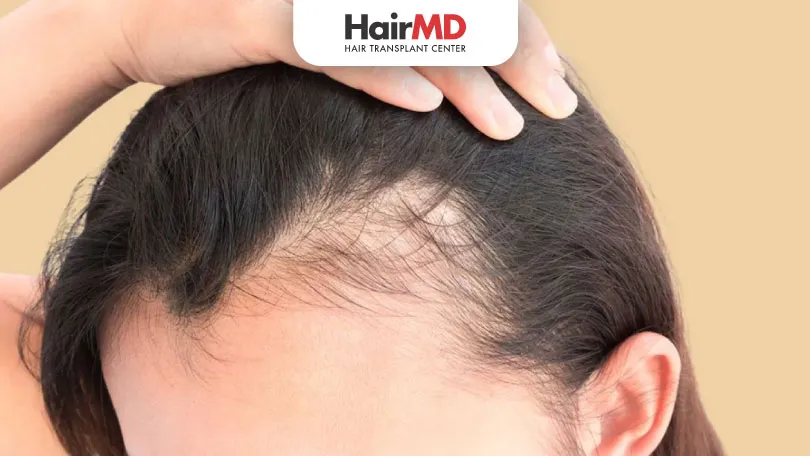
Hair loss is something many people experience, and it’s natural to wonder if it can be reversed. At our center for hair restoration, we hear this question all the time. That’s why we’ve created this comprehensive blog to explore everything you need to know about hair loss and its treatments.
Can hair loss be reversed? It depends on the type of hair loss. Telogen effluvium (stress or illness-triggered shedding), nutritional deficiency hair loss, postpartum hair loss, and medication-induced hair loss are fully reversible once the trigger is addressed hair regrows without treatment in most cases. Androgenetic alopecia (pattern hair loss) is not spontaneously reversible, but early-stage disease can be significantly improved with treatment (minoxidil, finasteride, PRP, GFC), and progression can be halted. Alopecia areata is often reversible with treatment. Scarring alopecias (lichen planopilaris, frontal fibrosing alopecia, discoid lupus) are permanent once the follicle is scarred, it cannot be restored. The most important step is getting a correct diagnosis before choosing a treatment path.
What’s covered in the article?
- What Makes Hair Loss Reversible or Permanent?
- Causes of Hair Loss
- Signs That Your Hair Loss May Be Permanent
- Effective Treatments for Hair Loss
- Conclusion
What Makes Hair Loss Reversible or Permanent?
The critical variable is the condition of the hair follicle.
Hair follicles are complex structures embedded in the dermis of the scalp. When a follicle is alive but temporarily non-productive as in telogen effluvium, early AGA, or alopecia areata it can be reactivated to produce hair again. The machinery is intact; it has simply slowed or stopped.
When a follicle has been permanently destroyed as in scarring alopecias, where chronic inflammation causes irreversible fibrosis (scar tissue replacement) of the follicle no treatment can restore it. The structure needed to produce hair no longer exists.
Reversibility therefore comes down to two questions:
- Is the follicle still present and structurally intact?
- If yes, what is preventing it from producing hair, and can that cause be addressed?
A trichoscopy examination (dermoscopy of the scalp) answers these questions in a single appointment. It allows a dermatologist to directly visualise follicle density, presence of miniaturisation, presence of scarring or inflammation, and signs of active follicle destruction giving a clear picture of what is reversible in your specific case.
Causes of Hair Loss
Before we delve into treatments, it’s essential to know the causes of hair loss. Hair loss can result from various factors, including nutritional deficiencies, hormonal imbalances, genetics, and certain medical conditions.
Identifying the cause is crucial for determining the appropriate treatment.
Nutritional Deficiencies
Nutritional deficiencies can lead to hair loss. Your hair needs a variety of vitamins and minerals to stay healthy and grow. Lack of essential nutrients like iron, zinc, vitamin D, and biotin can weaken hair follicles, causing hair to fall out. Poor diet or conditions that affect nutrient absorption, such as celiac disease, can contribute to these deficiencies. Ensuring a balanced diet and taking supplements when necessary can help address this issue.
Hormonal Imbalances
Hormonal imbalances often cause hair loss. Conditions like thyroid disorders, polycystic ovarian syndrome (PCOS), and menopause can disrupt the balance of hormones in your body. For example, an underactive or overactive thyroid can affect hair growth, leading to thinning hair or bald spots. Hormonal changes during pregnancy and postpartum can also cause temporary hair loss. Treating the underlying hormonal imbalance can help restore healthy hair growth.
Genetics
Genetics plays a significant role in hair loss. If your family has a history of baldness, you are more likely to experience hair loss as well. Androgenetic alopecia, also known as male or female pattern baldness, is a common hereditary condition. This type of hair loss usually starts with a receding hairline or thinning at the crown and progresses over time. While you can’t change your genetics, treatments can help slow down or reduce hair loss.
Medical Conditions
Certain medical conditions can cause hair loss. Autoimmune diseases like alopecia areata cause the immune system to attack hair follicles, leading to patchy hair loss. Scalp infections such as ringworm can also damage hair follicles and result in hair loss. Additionally, chronic illnesses, high fever, severe infections, or surgeries can trigger a condition called telogen effluvium, where more hairs than usual enter the resting phase and fall out.
Stress
Stress is another factor that can lead to hair loss. Physical or emotional stress can push a large number of hair follicles into the resting phase, causing hair to fall out a few months later. This condition, known as telogen effluvium, is usually temporary, and hair growth resumes once the stress is reduced. Managing stress through relaxation techniques, exercise, and proper sleep can help prevent stress-related hair loss.
Medications
Some medications can cause hair loss as a side effect. Drugs used to treat cancer, arthritis, depression, heart problems, and high blood pressure can lead to hair thinning or loss. Chemotherapy drugs are particularly known for causing hair loss. If a medication is the cause, your doctor may be able to prescribe an alternative that does not affect your hair.
Hair Loss Reversal Possible है या नहीं? | Unlocking the Secrets of Hair Loss Reversal | HairMD, Pune
Signs That Your Hair Loss May Be Permanent
Several clinical signs suggest follicle destruction rather than temporary dormancy:
- Smooth, shiny scalp skin within bald areas loss of follicular ostia (pore openings) indicates follicle destruction and fibrosis
- Scalp skin that looks different to the surrounding hair-bearing skin different texture, colour, or surface quality within the bald area
- Absence of visible follicle openings on trichoscopy in the bald area (yellow dots, which indicate dormant but present follicles, would suggest potential for recovery)
- Itching, burning, or pain at the active margins of hair loss (suggests ongoing inflammatory destruction)
- White dots on trichoscopy (fibrous tracts replacing follicles) indicates scarring
- A scalp biopsy showing perifollicular fibrosis on histology definitive evidence of scarring alopecia
These signs do not appear in telogen effluvium, early AGA, nutritional hair loss, or alopecia areata, which is one of the reasons trichoscopy at a specialist clinic is the most efficient path to accurate diagnosis.
Effective Treatments for Hair Loss
Topical Treatments: Minoxidil
Minoxidil is a well-known topical solution used to treat hair loss. It stimulates hair follicles, promoting hair growth. Minoxidil can reactivate inactive hair follicles and reduce hair loss when used regularly.
Platelet-Rich Plasma (PRP) Therapy
PRP therapy involves injecting your plasma, enriched with platelets, into the scalp. This treatment stimulates hair follicles, promoting new hair growth and reducing hair loss. PRP therapy is effective for many patients and can be combined with other treatments for better results.
Mesotherapy
Mesotherapy involves injecting a cocktail of vitamins, minerals, and other nutrients directly into the scalp. This treatment nourishes hair follicles, improves blood circulation, and stimulates hair growth. Mesotherapy can be customized based on individual needs, making it a versatile option for treating hair loss.
Laser Therapy
Laser therapy uses low-level lasers to stimulate hair follicles and promote hair growth. This non-invasive treatment improves blood circulation in the scalp, encouraging hair follicles to enter the growth phase. Regular laser therapy sessions can significantly reduce hair loss and enhance hair density.
Hair Transplantation
Hair transplantation is a highly effective solution for individuals with severe hair loss or baldness. This surgical procedure involves transferring hair follicles from a donor area (usually the back of the head) to the balding areas. Advanced techniques like Follicular Unit Extraction (FUE) ensure minimal scarring and natural-looking results. Hair transplantation provides a permanent solution to hair loss, with new hair growing naturally over time.
Combining Treatments for Optimal Results
Our treatment plans often combine various approaches to achieve the best results. For example, we might recommend using Minoxidil alongside PRP therapy or laser therapy for enhanced effectiveness. Combining treatments targets hair loss from multiple angles, ensuring comprehensive care and better outcomes.
Personalized Treatment Plans
We create personalized treatment plans based on each patient’s specific condition, medical history, and treatment objectives. Our experienced dermatologists use advanced technology and scientific principles to design effective strategies tailored to individual needs.
Maintaining Hair Health
Maintaining hair health requires more than just external treatments. Nutritional deficiencies can significantly impact hair health, so we recommend a complete diagnosis to identify any underlying medical conditions or nutritional gaps. We often prescribe nutritional supplements along with topical treatments to ensure your hair receives the necessary nourishment from within.
Nutritional Supplements and Hair Health
Nutritional supplements can play a crucial role in improving hair health. Essential vitamins and minerals, such as biotin, zinc, and iron, support hair growth and strength. We recommend specific supplements based on individual needs to enhance the overall health of your hair.
Managing Hair Loss with a Busy Lifestyle
For individuals with busy lifestyles, we offer quick and effective treatments that fit seamlessly into your schedule. Treatments like laser therapy and PRP sessions can be completed in a short time, with no downtime required. This makes it easy to manage hair loss without disrupting your daily routine.
Preparing for Special Occasions
Just as HydraFacial is an excellent treatment for those looking for a glow for special occasions. We also offer certain hair treatments that can give your hair an extra boost before events like weddings or parties. Improving hair texture and appearance, giving you confidence for your special day.
Contact HairMD Today
If you’re experiencing hair loss and looking for effective solutions, contact HairMD clinic for a consultation. Our expert team is ready to guide you through the process and help you achieve healthy, beautiful hair.
DO YOU KNOW?
Nearly 250 Patients Visit HairMD
Everyday For Various Hair Concerns
(20+ Years Of Expertise. 4157+ Successful Hair Transplant at HairMD)
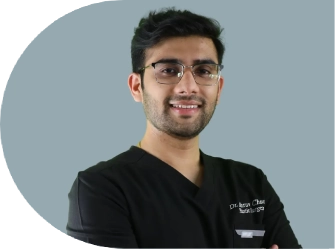
Meet Our Dermatologists

Conclusion
Hair loss can be a distressing issue, but with the right treatments, it is possible to reverse or significantly reduce it. If you are experiencing hair loss, we can help you By understanding the causes and opting for effective treatments like Minoxidil, PRP therapy, mesotherapy, laser therapy, and hair transplantation, you can achieve healthier, fuller hair.
Our personalized treatment plans and advanced technology ensure that each patient receives the best care tailored to their specific needs. Whether you’re dealing with early signs of hair loss or severe baldness, we offer solutions to help you regain your confidence and enjoy healthy, beautiful hair.
Further Reading
How to Prevent Hair Loss: The Ultimate Guide
Explore the ultimate guide to preventing hair loss and maintaining healthy, strong hair.
Do Dermatologists Recommend Inositol and Choline for Hair Loss?
Discover the potential of inositol and choline for hair loss. Learn how these nutrients may benefit follicle health & prevent thinning.
Finding the Right Doctor for Hair Loss Solutions
Searching for What Kind of Doctor Treats Hair Loss? Learn how dermatologists at Hairmd diagnose the cause & offer proven treatments for hair thinning.
Stop Hair Thinning: Best Practices for Hair Loss Control
Discover effective tips to stop hair fall and boost hair growth with simple lifestyle changes, proper hair care routines, and proven treatments. Boost hair health with HairMD.
Have thoughts? Please let us know
We are committed not only to treating you, but also educating you.