

What Kind of Doctor Treats Hair Loss? A Specialist Guide for the Right First Step


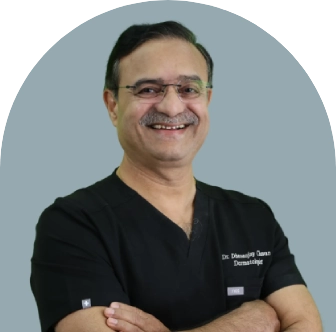
Written by HairMD Content Team | Medically Reviewed by Dr. Dhanraj Chavan On September 25, 2026



Hair loss can be distressing, but it’s important to consult the right specialist based on the root cause. Several types of doctors treat hair loss, each addressing different aspects of the condition. A dermatologist is the go-to professional for diagnosing and treating scalp and skin disorders, including hair loss.
A dermatologist is the right first doctor to see for hair loss in almost every case. Dermatologists are medically licensed specialists with diagnostic tools (trichoscopy, scalp biopsy, blood panel analysis) that can identify the root cause of hair loss and prescribe appropriate medical treatment. Trichologists handle early-stage scalp concerns but cannot prescribe medications or perform clinical procedures. Endocrinologists and nutritionists address specific systemic drivers (hormonal disorders, nutritional deficiencies) when identified, typically as part of a treatment plan a dermatologist has already mapped. Hair transplant surgeons step in when non-surgical options have been maximised or when permanent follicle loss requires surgical restoration. Start with a dermatologist. They will direct you to additional specialists if needed.
Summary
- In India, a dermatologist is the most qualified first point of contact for hair loss: they can diagnose, prescribe, perform in-clinic procedures, and coordinate referrals to other specialists
- Trichologists are not medical doctors and cannot prescribe medications; they are appropriate for early lifestyle-driven hair concerns and scalp health education, not for clinical hair loss
- The common mistake is seeing a general physician first, who may run a basic blood panel but cannot perform trichoscopy or prescribe the specialist-level treatments needed for most hair loss conditions
- The type of hair loss determines the specialist: androgenetic alopecia and scalp disorders go to a dermatologist; confirmed thyroid or hormonal disorder goes to an endocrinologist (alongside dermatology); confirmed nutritional deficiency goes to a nutritionist or physician (alongside dermatology); permanent hair loss requiring restoration goes to a hair transplant surgeon
- A good first consultation includes trichoscopy, a structured blood panel, and a detailed case history—not a prescription written in 5 minutes
- Early intervention produces better outcomes in almost every hair loss condition; the longer the delay, the fewer reversible follicles remain
What’s covered in the article?
- Why Getting the First Consultation Right Matters?
- The Four Types of Doctors Who Treat Hair Loss
- Hair Transplant Surgeon (When Permanent Follicle Loss Requires Surgical Restoration)
- Specialist Comparison Table
- What Happens at a Proper Hair Loss Consultation?
- When to See a Doctor Immediately?
- Conditions by Hair Loss Type and Appropriate Specialist
- HairMD: What to Expect at Your Consultation in Pune?
- Questions to Ask at Your First Hair Loss Appointment
- Frequently Asked Questions
- Conclusion
Why Getting the First Consultation Right Matters?
Hair loss is common. Effective treatment is available. But the most consistent factor separating good outcomes from poor ones is not which treatment was chosen — it is whether the right diagnosis was made, and whether it was made early.
In India, many people cycle through a general physician, then a dermatologist at a general clinic, then an online treatment, before arriving at a hair specialist 2 to 3 years after the thinning was first noticeable. By then, the window of maximum treatment response has often narrowed significantly.
The right first step takes 30 to 60 minutes: a dermatologist performs trichoscopy to map follicle health in real time, takes a structured case history, identifies the hair loss pattern and likely cause, and orders a targeted blood panel. From that single consultation, a specific treatment plan emerges. That is what this article is about: helping you get to that consultation without wasting time in the wrong place first.
Dr. Dhanraj Chavan, Dermatologist, HairMD: “Most patients who come to us with significant hair loss tell me the same thing: they noticed something was wrong a year or two earlier but weren’t sure which doctor to see, or they thought it would resolve on its own. The consultation itself takes less than an hour. The follicle viability that is lost while waiting cannot be recovered. See the right specialist as soon as you notice the pattern changing.”
The Four Types of Doctors Who Treat Hair Loss
Dermatologist (The Right First Stop for Almost All Hair Loss)
A dermatologist is a licensed medical doctor with postgraduate specialisation in skin, hair, and nails. In India, this means an MBBS degree followed by an MD or DVD in Dermatology and Venereology, or an equivalent qualification.
What a dermatologist can do that other specialists cannot:
Trichoscopy (dermoscopy of the scalp): a handheld or videoscope device magnifies the scalp surface 10x to 70x, allowing the dermatologist to see follicle unit density, hair shaft diameter variation (the defining marker of miniaturization), scalp inflammation, and pattern distribution without any scalp biopsy. This single tool provides most of the diagnostic information needed.
Scalp biopsy: when the diagnosis is unclear from trichoscopy and clinical history (as in some scarring alopecias and uncommon forms of alopecia), a small scalp biopsy under local anaesthesia provides histological confirmation of the diagnosis.
Prescription medications: oral finasteride, dutasteride, oral minoxidil, spironolactone, metformin (where indicated), and immunosuppressive medications for autoimmune hair loss (alopecia areata, lichen planopilaris) can only be prescribed by a medical doctor. Trichologists and nutritionists cannot prescribe any of these.
Clinical procedures: PRP, GFC therapy, mesotherapy, dermapen microneedling, intralesional steroid injections, exosome therapy, and laser treatments are all performed by dermatologists in a clinical setting. None of these are available outside a medically licensed facility.
Conditions a dermatologist diagnoses and treats directly:
Androgenetic alopecia (male and female pattern hair loss), alopecia areata, telogen effluvium, tinea capitis (scalp fungal infection), seborrhoeic dermatitis with associated hair loss, lichen planopilaris, discoid lupus erythematosus, frontal fibrosing alopecia, traction alopecia, trichotillomania-related hair loss, and hair loss secondary to medications (including chemotherapy).
Trichologist (Appropriate for Early Scalp Concerns, Not Clinical Hair Loss)
A trichologist is a specialist in trichology: the science of the hair and scalp. In India, trichology is not a regulated medical degree; trichologists may hold certifications from international bodies such as the Institute of Trichologists (UK) or the International Association of Trichologists (Australia), but are not licensed to prescribe medications or perform medical procedures.
What trichologists can help with:
Scalp health assessment, guidance on hair care routines, identification of scalp hygiene issues and product buildup, dietary and lifestyle counselling for early nutritional hair loss, and education on correct washing, detangling, and styling techniques.
Where trichologists fall short:
They cannot order investigations or interpret blood reports with clinical authority. They cannot prescribe minoxidil, finasteride, spironolactone, or any other pharmaceutical. They cannot perform PRP, GFC, mesotherapy, scalp biopsy, or any clinical procedure. For early lifestyle-driven scalp concerns in someone with healthy follicles, a trichologist is appropriate. For established hair loss of any clinical type, a dermatologist is needed.
In India specifically: the lack of regulatory oversight for trichology practitioners means the quality and depth of training varies significantly. Many general physicians in smaller cities advertise “trichology services” without specialist training. If hair loss is your concern, a board-certified dermatologist with specific interest in hair disorders is the safer and more effective choice.
Endocrinologist (When a Hormonal Disorder Is the Primary Driver)
An endocrinologist specialises in hormonal disorders. For hair loss, the relevant conditions are: hypothyroidism or hyperthyroidism (both cause diffuse hair shedding), PCOS (polycystic ovary syndrome, a major driver of female androgenetic thinning), hyperandrogenism, hyperprolactinaemia, insulin resistance, and adrenal disorders that affect androgen production (such as late-onset congenital adrenal hyperplasia).
When to see an endocrinologist:
When your dermatologist has identified a hormonal driver in your blood panel that requires specialist management. This is typically when a confirmed thyroid disorder needs ongoing medication management, when PCOS requires specialist hormonal treatment beyond what a dermatologist provides, or when androgen excess is confirmed and needs endocrine-level investigation.
Important: do not start with an endocrinologist for hair loss unless your GP or dermatologist has already confirmed a hormonal diagnosis. Endocrinologists treat hormonal disorders; they do not diagnose or treat hair loss as a primary condition.
Nutritionist or Dietitian (When a Nutritional Deficiency Is the Primary Driver)
Hair loss driven by nutritional deficiency is among the most common and most correctable types in India. Iron deficiency (ferritin below 30 ng/mL), Vitamin D deficiency, zinc deficiency, protein deficiency, and Vitamin B12 deficiency all impair the hair growth cycle and, when sustained, cause progressive thinning and shedding.
A nutritionist or registered dietitian can design a dietary plan that addresses specific deficiencies, optimise protein intake for hair growth (target 1.2 to 1.6 g/kg body weight per day), and guide supplementation alongside food-based correction.
When to involve a nutritionist:
When your dermatologist has confirmed nutritional deficiencies as a primary or major contributing factor in your blood panel, and dietary correction (not just supplementation) is part of the treatment plan.
Important: a nutritionist cannot diagnose the type of hair loss, cannot perform trichoscopy, and cannot determine whether your hair loss is nutritional, hormonal, androgenetic, autoimmune, or scarring. Diagnosis comes first. Nutritional support follows the diagnosis.
Hair Transplant Surgeon (When Permanent Follicle Loss Requires Surgical Restoration)
A hair transplant surgeon is typically a dermatologist or plastic surgeon with specialised training in follicular unit extraction (FUE), follicular unit transplantation (FUT), or both. They harvest healthy follicles from the donor zone (typically the occipital scalp) and transplant them to areas of permanent baldness.
Who needs a hair transplant surgeon:
Patients with Norwood Grade IV or above (men) or Ludwig Grade III (women) where non-surgical treatments have been maximised and permanent bald zones have formed. Patients who have undergone adequate non-surgical treatment with stability confirmed and now want to restore coverage in areas where follicles are permanently inactive. Patients with scarring alopecia in stable, inactive disease who have sufficient donor hair.
Who does not yet need a hair transplant surgeon:
Patients in early to moderate hair loss stages where non-surgical treatment still has significant potential. Hair transplants move follicles; they do not stop ongoing miniaturization in the native hair. Performing a transplant in an unstable, progressive loss pattern without pharmacological control produces poor long-term results, as the surrounding native hair continues to thin after the procedure.
A reputable hair transplant consultation will include trichoscopy to assess native hair status, a realistic discussion of donor availability, and a clear recommendation about whether the timing is right for surgery or whether non-surgical stabilisation is the better next step.
Specialist Comparison Table
|
Specialist |
Qualified To Diagnose |
Prescribes Medications |
Performs Clinical Procedures |
When to See Them |
|
Dermatologist |
Yes (trichoscopy, biopsy, blood panel) |
Yes (all hair loss medications) |
Yes (PRP, GFC, mesotherapy, dermapen, etc.) |
First consultation for any hair loss |
|
Trichologist |
Partial (no trichoscopy or biopsy authority) |
No |
No |
Very early scalp concerns; lifestyle guidance only |
|
Endocrinologist |
For hormonal disorders specifically |
Yes (endocrine medications) |
No (hair-specific) |
When dermatologist confirms hormonal driver |
|
Nutritionist |
For nutritional status |
No (medications) |
No |
When dermatologist confirms nutritional driver |
|
Hair Transplant Surgeon |
Yes (surgical candidacy assessment) |
For surgical prep/aftercare |
Yes (FUE, FUT, donor management) |
When non-surgical options maximised or permanent loss confirmed |
|
General Physician |
Basic differential only |
Limited hair medications |
No |
Initial blood panel only; refer to dermatologist after |
What Happens at a Proper Hair Loss Consultation?
Knowing what to expect helps you assess whether the consultation you receive is thorough or inadequate.
A complete first consultation for hair loss should include:
Case history: onset and duration of hair loss, pattern of shedding versus thinning, family history of hair loss on both maternal and paternal sides, recent physical or psychological stressors, medications (particularly oral contraceptives, thyroid medications, blood pressure medications, antidepressants, isotretinoin), dietary habits and any recent significant dietary changes, menstrual history and recent hormonal events (pregnancy, postpartum, perimenopause) for women, and scalp symptoms (itching, burning, tenderness, oiliness, flaking).
Trichoscopy: real-time magnified scalp examination to assess follicle unit density, hair shaft diameter variation (the diagnostic marker of miniaturization), scalp surface condition (scale, sebum, inflammation), and pattern distribution (frontal, vertex, temporal, diffuse). A consultation without trichoscopy is incomplete for diagnosing the type of hair loss.
Blood panel prescription: targeted to the suspected cause based on history and trichoscopy. Standard hair loss blood panel includes serum ferritin, complete blood count, thyroid function (TSH with free T3/T4), Vitamin D (25-OH), zinc, Vitamin B12, and total/free testosterone, DHEA-S, LH/FSH ratio (for women with suspected PCOS or hormonal driver).
Diagnosis discussion: what type of hair loss you have, what is causing it, what the prognosis is with and without treatment, and what the treatment options are in order of priority.
Treatment plan: specific, not generic. This means the clinical procedure recommended and its protocol (e.g., PRP: 4 sessions at 4-week intervals), the pharmacological recommendation (topical minoxidil concentration, oral medication if indicated, its mechanism and expected timeline), at-home care instructions, and follow-up schedule.
When to See a Doctor Immediately?
Do not wait for your regular check-up schedule. Book a hair loss consultation promptly when:
Shedding is sudden and significant. Losing more than 100 to 150 hairs per day in visible clumps (not just the usual 50 to 100 daily telogen hairs) that has appeared within the last few weeks represents acute telogen effluvium and needs prompt assessment to identify the trigger.
Hair is falling out in patches. Circular or oval bald patches (alopecia areata) indicate an autoimmune process that responds well to early treatment with intralesional steroids or systemic immunomodulation, but responds poorly when large areas of confluent loss have developed.
The scalp is red, itchy, scaly, or tender alongside hair loss. Scalp inflammation accompanying hair loss suggests an inflammatory or autoimmune alopecia (lichen planopilaris, frontal fibrosing alopecia, discoid lupus) or severe fungal infection. Scarring alopecias destroy follicles permanently in the affected zones; earlier treatment stops the zone from expanding.
You are experiencing other symptoms alongside hair loss. Fatigue, unexplained weight gain or loss, irregular periods, acne, oily skin, increased body hair, and brain fog alongside hair loss suggest a systemic driver (thyroid disorder, PCOS, adrenal disorder) that needs investigation.
Hair loss is occurring after a medical procedure, new medication, or significant illness. Drug-induced telogen effluvium can occur with many common medications; identifying and addressing the trigger quickly can limit the extent of loss.
Conditions by Hair Loss Type and Appropriate Specialist
|
Hair Loss Type |
Primary Cause |
First Specialist |
May Also Need |
|
Male pattern baldness (Norwood I-III) |
DHT-driven follicle miniaturization |
Dermatologist |
Hair transplant surgeon if Norwood IV+ |
|
Female pattern thinning (Ludwig I-II) |
DHT sensitivity, hormonal shifts |
Dermatologist |
Endocrinologist if PCOS confirmed |
|
Diffuse hair shedding (telogen effluvium) |
Systemic stress, nutritional deficit, hormonal shift |
Dermatologist |
Nutritionist if ferritin/Vitamin D correction needed |
|
Patchy hair loss (alopecia areata) |
Autoimmune |
Dermatologist |
Systemic immunology if severe/widespread |
|
Scalp with redness, scale, itch |
Seborrhoeic dermatitis, fungal, inflammatory alopecia |
Dermatologist |
None typically; dermatologist manages directly |
|
Thinning with irregular periods, acne |
PCOS-driven androgen excess |
Dermatologist |
Endocrinologist for hormonal management |
|
Thinning with fatigue, weight change |
Thyroid disorder |
Dermatologist for hair, GP or endocrinologist for thyroid |
Endocrinologist |
|
Thinning with low energy, vegetarian diet |
Iron or B12 deficiency |
Dermatologist (confirm) |
Nutritionist for dietary planning |
|
Extensive baldness in pattern |
Advanced androgenetic alopecia |
Dermatologist |
Hair transplant surgeon |
|
Linear frontal hairline recession |
Frontal fibrosing alopecia (autoimmune scarring) |
Dermatologist (urgent) |
None typically |
HairMD: What to Expect at Your Consultation in Pune?
At HairMD’s 7 centres in Pune, every new hair loss patient receives a structured consultation that includes trichoscopy, a full case history review, and a specific treatment plan. Our dermatologists do not offer generic “hair fall treatment packages” before establishing the diagnosis. The plan follows the diagnosis.
For Patients with Early to Moderate Hair Loss
PRP therapy and GFC therapy are the primary clinical treatments for androgenetic thinning in the early to moderate stage. Both work by delivering concentrated growth factors directly to miniaturizing follicles, extending anagen duration and improving follicle calibre over successive cycles. Combined with pharmacological DHT management, these treatments produce measurable improvement in density in 6 to 9 months.
For Patients with Scalp Inflammation or Nutritional Drivers
Mesotherapy delivers DHT-blocking agents, vitamins, and amino acids directly into the mid-dermis at follicle level, achieving therapeutic concentrations that topical application cannot match. Dermapen microneedling amplifies the effect of topical treatments by increasing dermal penetration 4 to 5 times.
For Patients with Alopecia Areata
Intralesional steroid injections delivered directly into the patch zone are the first-line clinical treatment for alopecia areata. Response rates for early-stage patchy disease are high (greater than 70% regrowth in treated zones in most studies). Systemic immunomodulation is reserved for extensive or rapidly-progressing disease.
For Advanced Hair Loss Requiring Surgical Restoration
FUE hair transplant at HairMD is performed by Dr. Sachin Pawar, with 4,157+ successful procedures and 15+ years of dedicated hair transplant experience. Every surgical consultation includes a trichoscopy-based native hair assessment to confirm surgical candidacy and donor viability before any transplant is recommended.
250+ patients daily across 7 centres in Pune. Book your diagnostic consultation today.
Questions to Ask at Your First Hair Loss Appointment
Before leaving any hair loss consultation, you should have clear answers to:
- What type of hair loss do I have, and what is causing it? (Not “general hair fall” — a specific diagnosis.)
- Is this type of hair loss reversible, and what does recovery typically look like?
- What is the treatment plan, and what is the expected timeline to see results?
- What blood tests do I need, and which results will change the treatment plan?
- Do I need any other specialists alongside you?
- If I do nothing for 6 months, what will the likely outcome be?
If the dermatologist cannot answer these questions specifically after a proper examination, seek a second opinion.
Frequently Asked Questions
Can I see a general physician (GP) for hair loss instead of a dermatologist?
A GP is appropriate for ordering an initial blood panel and ruling out obvious systemic causes like thyroid disorders or severe anaemia. However, GPs do not have trichoscopy equipment, are not trained in hair loss pattern diagnosis, and typically cannot prescribe or perform the specialist treatments needed for androgenetic alopecia, alopecia areata, or scarring alopecias. A GP consultation is a useful preliminary step; it should lead to a dermatologist referral, not replace one. For hair loss as the primary concern, booking directly with a dermatologist is faster and more complete.
Is a trichologist the same as a hair doctor or hair specialist?
Not in the medical sense. Trichology is the scientific study of hair and scalp; a trichologist holds a trichology certification but is not a licensed medical doctor. Dermatologists specialising in hair disorders are more accurately described as “hair doctors” or “hair specialists” because they combine medical licensing, diagnostic tools (trichoscopy, biopsy), and the ability to prescribe medications and perform clinical procedures. In India, terms like “hair specialist” and “hair expert” are used loosely; the key qualification to look for is MBBS plus MD or DVD in Dermatology.
When should I see a hair transplant surgeon vs. a dermatologist?
See a dermatologist first, in almost every case. A hair transplant surgeon addresses permanent hair loss where surgical restoration is the appropriate next step — typically Norwood Grade IV to VII in men or Ludwig Grade III in women after non-surgical options have been tried and stabilisation confirmed. Seeing a transplant surgeon before non-surgical treatment has been attempted often results in premature surgery in an unstable loss pattern. HairMD’s dermatologists and transplant surgeons work together: the dermatologist manages medical treatment and determines surgical candidacy, and the transplant surgeon performs the procedure when the timing is right.
How do I know if my hair loss needs urgent medical attention?
Seek prompt (within 1 to 2 weeks) attention for: sudden patchy hair loss appearing over days to weeks (alopecia areata onset), scalp redness or tenderness alongside hair loss (possible inflammatory or scarring alopecia), large amounts of shedding following an illness or hospital stay (telogen effluvium), and hairline recession or thinning in a young person under 25 (early androgenetic alopecia with a narrow treatment window). Gradual, slow thinning can be booked as a standard appointment rather than emergency, but “can wait” does not mean “should wait” — every month of untreated progressive miniaturization reduces the proportion of recoverable follicles.
Do women need a different type of doctor for hair loss than men?
The same specialist (a dermatologist) is appropriate for both, but the diagnostic workup differs. Female hair loss has more potential systemic drivers (thyroid, iron, PCOS, prolactin, perimenopause) and a different pattern distribution (diffuse thinning at the crown and part line rather than a receding hairline). A thorough dermatologist will adapt the case history, blood panel, and treatment approach to female-specific factors. If PCOS is confirmed as a driver, collaboration with an endocrinologist for hormonal management adds to the dermatology-led hair treatment.
How long does it take to see results after starting treatment with a dermatologist?
Timeline depends on the type of hair loss and the treatment. Telogen effluvium caused by a one-time trigger (surgery, crash diet, illness) typically resolves over 3 to 6 months after the trigger is removed, with or without treatment. Androgenetic alopecia treated with minoxidil and clinical procedures (PRP, GFC) produces visible density improvement over 6 to 12 months of consistent treatment. Alopecia areata patchy disease treated with intralesional steroids typically shows regrowth within 6 to 8 weeks in the injected patches. The critical factor is consistency: hair cycle biology means that any treatment takes at least one full hair cycle (3 to 6 months) to show its effect on density.
DO YOU KNOW?
Nearly 250 Patients Visit HairMD
Everyday For Various Hair Concerns
(20+ Years Of Expertise. 4157+ Successful Hair Transplant at HairMD)
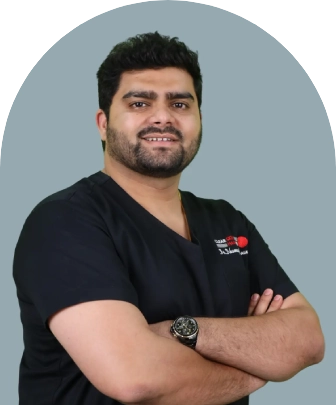
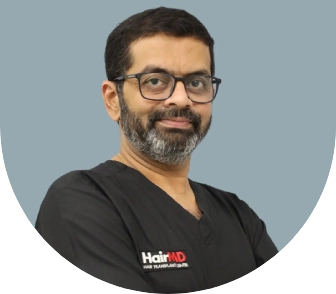
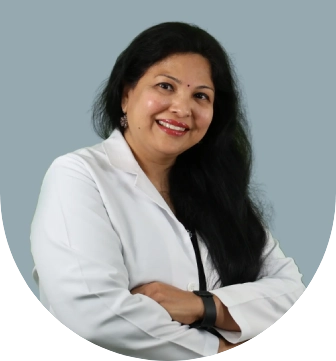
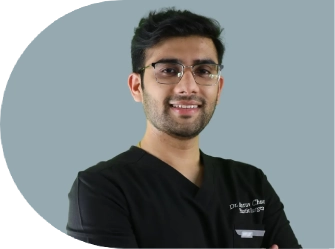
Meet Our Dermatologists
Conclusion
The answer to “what kind of doctor treats hair loss” is the dermatologist: the specialist with the training, tools, and prescribing authority to diagnose any type of hair loss and provide the full range of medical and clinical treatment options. Trichologists, nutritionists, and endocrinologists play supporting roles when specific drivers are confirmed; hair transplant surgeons address permanent loss when surgical restoration is appropriate. But the diagnostic journey, the treatment plan, and the clinical intervention all begin with the dermatologist.
At HairMD Pune, our dermatologists have managed hair loss conditions across all types and all stages for 15+ years. The first step is a 30-minute diagnostic consultation. Everything else follows from getting the diagnosis right.
Book Your Hair Loss Consultation at HairMD | Meet Our Dermatologists | View All Hair Conditions
Further Reading
How to Prevent Hair Loss: The Ultimate Guide
Explore the ultimate guide to preventing hair loss and maintaining healthy, strong hair.
Do Dermatologists Recommend Inositol and Choline for Hair Loss?
Discover the potential of inositol and choline for hair loss. Learn how these nutrients may benefit follicle health & prevent thinning.
Stop Hair Thinning: Best Practices for Hair Loss Control
Discover effective tips to stop hair fall and boost hair growth with simple lifestyle changes, proper hair care routines, and proven treatments. Boost hair health with HairMD.
How to Treat PCOS Hair Loss ? – A Comprehensive Guide
Discover effective ways on how to treat PCOS hair loss naturally and medically. Get expert-backed advice for managing PCOS-related hair loss.
Have thoughts? Please let us know
We are committed not only to treating you, but also educating you.