

Essential Questions to Ask Your Hair Loss Doctor


Written by HairMD Content Team | Medically Reviewed by Dr. Dhanraj Chavan On December 10, 2023


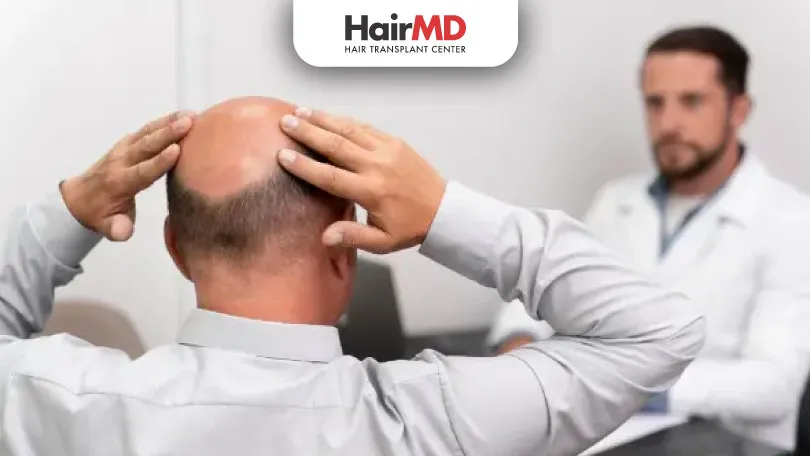
It is a good idea to prepare a list of questions to ask your dermatologist before your appointment, so you don’t forget anything. These questions about your hair loss problems and treatments can assist you in obtaining information and make better decisions about your hair loss treatment.
Following are a few questions about hair loss that you need to ask your dermatologist.
What’s covered in the article?
- Questions to Ask Your Hair Loss Doctor
- Conclusion
Questions to Ask Your Hair Loss Doctor
Q1. Will my hair regrow again?
Often, hair will regrow on its own, especially if your hair loss is caused by stress from a specific life event or a short-term illness. However, hair loss may be permanent in other cases and worsen over time. Your dermatologist will provide you with a realistic assessment of what to expect so that you can make an informed decision about how to proceed with treatments.
Q2. Is it necessary for me to have blood tests?
The doctor might ask for a few blood tests to get to the root cause of your hair loss. Hair loss can be caused due to multiple factors like nutritional deficiencies, hormonal imbalances, underlying illnesses etc. which can be detected on blood reports.
Q3. What do you think is the cause of my hair loss?
This is probably the question you’re most interested in hearing the answer to. Various factors, including stress, hormonal imbalances, genetic composition, medicines etc can cause hair loss. Your dermatologist will ask you a series of questions to determine the cause of your hair loss. Your responses will provide them with information about what is wrong with your hair.
Q4. Is my current diet, nutrition, or body weight causing a problem with my hair?
It is important to inquire whether one’s diet is deficient in any specific nutrients (for example, vegans and the possibility of low vitamin B12 levels) or whether low body weight is causing impaired hair growth.
Q5. Any changes in my lifestyle and hair care that I can do to aid my treatment ?
Lifestyle habits and hair care routines can play an important role by helping your hair loss treatment. Good sleep, a balanced diet and moderate exercise are all essential in maintaining health and body functions. Similarly, taking care of your hair, avoiding harsh chemical treatments and excessive styling products can also help in strengthening your hair and reducing hair fall.
DO YOU KNOW?
Nearly 250 Patients Visit HairMD
Everyday For Various Hair Concerns
(20+ Years Of Expertise. 4157+ Successful Hair Transplant at HairMD)
Meet Our Dermatologists

Conclusion
Further Reading
Alopecia Areata Treatment Results in Pune
Real HairMD Pune patient regrowth results for alopecia areata – treatments used, what to expect, and before and after outcomes.
Alopecia Barbae: Causes and Effective Treatments for Bald Patches in Your Beard
Discover the causes of alopecia barbae and the best treatments for bald patches in the beard. Get expert advice from HairMD clinics, Pune
Is Rosemary Oil Enough for Hair Regrowth? When to Consider Something Stronger
Six months of rosemary oil and still losing hair? HairMD dermatologists explain when rosemary oil works, when it is not enough, and what to try next.
Redensyl vs Minoxidil vs GFC for Hair Loss: Which One Is Right for You?
Redensyl, minoxidil, or GFC therapy for hair loss? HairMD Pune dermatologists explain how each works, who each is for, and how to choose.
Have thoughts? Please let us know
We are committed not only to treating you, but also educating you.