

How to Get Healthier Hair Without Expensive Treatments?


Written by HairMD Content Team | Medically Reviewed by Dr. Dhanraj Chavan On August 27, 2026


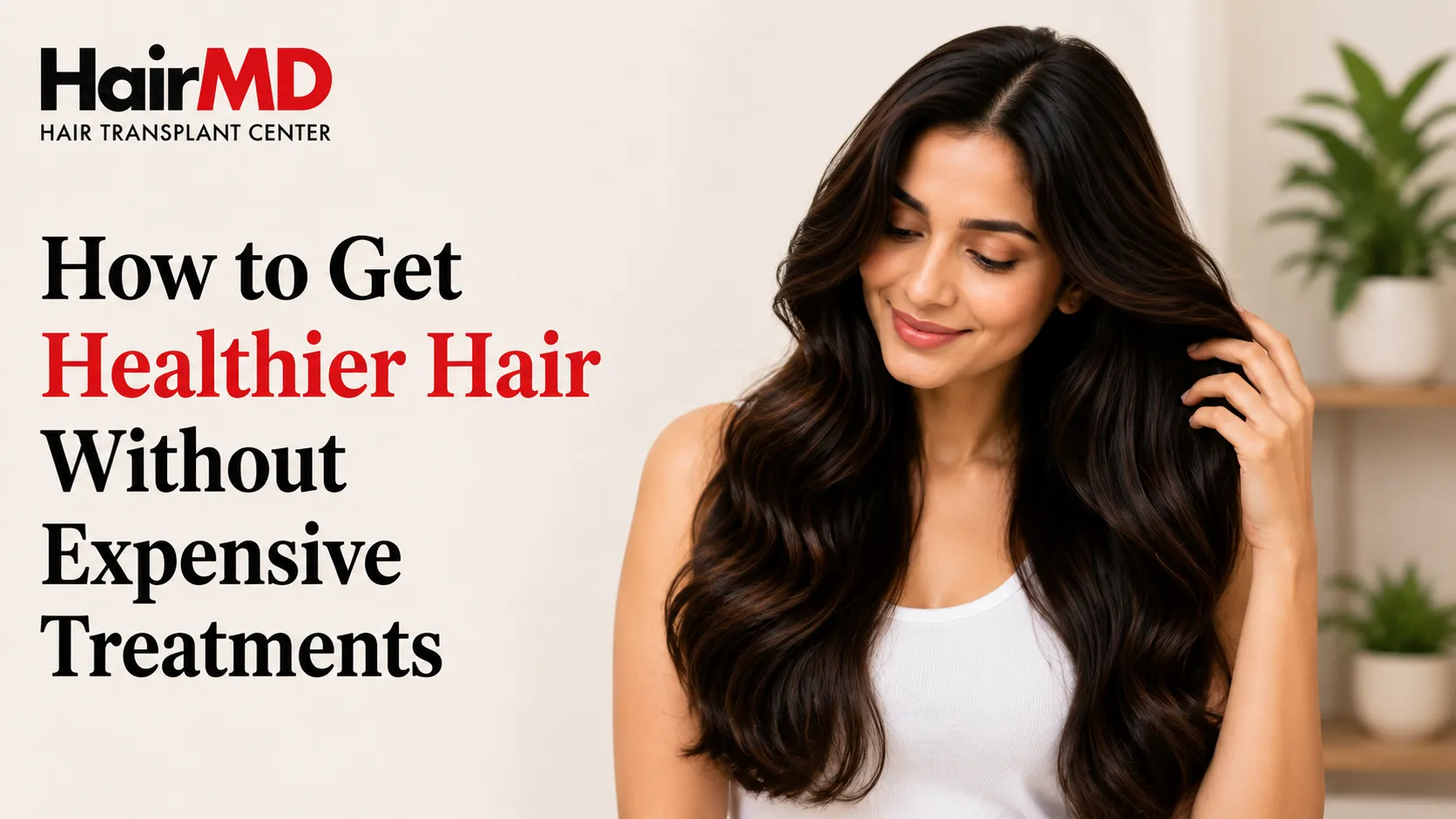
Want healthier hair without spending heavily on salon treatments? Simple habits such as eating enough protein, caring for your scalp, reducing heat and friction, and handling wet hair gently can make a real difference over time.
The hair care industry is built on the idea that better hair requires better products, more expensive shampoo, the right serum, a specific oil blend. This is commercially convenient but not clinically accurate.
The factors that most significantly determine hair health, hair growth rate, shaft strength, scalp condition, and resistance to shedding, are determined primarily by nutrition, hormonal status, scalp health, and mechanical habits. Most of these are free to control or inexpensive to address.
Expensive salon treatments can improve the appearance of the hair you already have. They rarely change the underlying biology that determines hair quality. This article explains what does.
How do you get healthier hair without expensive treatments?
The biggest drivers of hair health are nutritional status (protein, ferritin, Vitamin D, zinc), scalp health (clean follicles, good circulation, no chronic inflammation), and protective habits (gentle handling of wet hair, minimising heat and friction). Eating adequate protein (eggs, lentils, fish, paneer), addressing ferritin and Vitamin D deficiency if present, washing your scalp at the frequency appropriate for your scalp type, using a microfibre towel, detangling from ends to roots, and applying a heat protectant when styling, these habits cost little and have more impact on long-term hair quality than most salon treatments.
Summary
- The hair follicle produces hair from nutrients delivered by the blood. No topical product replaces adequate dietary protein and iron.
- Scalp health is often overlooked: a clean, well-circulated, inflammation-free scalp grows hair more efficiently than a congested or inflamed one.
- Reducing mechanical damage (rough towelling, aggressive brushing when wet, tight hairstyles) prevents the breakage that makes hair appear thinner and shorter over time.
- Ferritin deficiency, very common in Indian women, is one of the most frequent causes of diffuse hair thinning, and can be corrected through diet and supplementation without any clinical procedure.
- Protective styling (loose styles, fabric-covered ties, avoiding traction) prevents the progressive breakage that most people attribute to “bad hair” but which is actually self-inflicted damage.
- Water quality matters: Pune’s hard water deposits calcium and magnesium on the hair shaft, raising the cuticle and increasing friction. A simple shower filter can measurably improve hair texture.
What’s covered in the article?
- What Actually Makes Hair Healthier?
- 1. Eat for Your Follicle, The Most Impactful Free Change
- 2. Scalp Health: The Free Foundation
- 3. Reduce Mechanical Damage, The Simplest Free Change
- 4. Protect from Environmental Damage
- 5. Moisture Retention: The Low-Cost Toolkit
- When You Do Need Professional Treatment?
- Frequently Asked Questions
- Conclusion
What Actually Makes Hair Healthier?
Hair health has two separate components that are often conflated:
- The hair you are currently growing, determined by follicle health, driven by nutrition, hormonal status, and scalp condition. You cannot improve the structure of hair that has already grown past the scalp. It is a dead fibre from that point, only the follicle produces new hair.
- The hair you have already grown, its condition is determined by how it has been handled since it left the follicle: exposure to heat, chemical processing, UV, mechanical friction, and moisture management.
Improving current hair means improving follicle nutrition and scalp health. Improving already-grown hair means reducing ongoing damage and improving moisture retention. Both matter, and the solutions are different.
1. Eat for Your Follicle, The Most Impactful Free Change
The hair follicle is the third fastest-dividing cell population in the human body. It requires a continuous supply of amino acids (protein), micronutrients, and oxygen to produce hair at the normal rate of approximately 1–1.5 cm per month.
Protein is the most foundational requirement, hair is ~95% keratin, a structural protein. Diets low in protein reduce hair growth rate and shaft diameter. The minimum for hair health is approximately 0.8g per kg of body weight; 1–1.2g/kg is a clinical target for those with visible hair thinning.
High-protein, hair-supportive foods available in India:
- Eggs (complete protein + biotin, one of the best single hair foods)
- Paneer / cottage cheese
- Lentils and dals (also iron + zinc)
- Fish (protein + omega-3 fatty acids)
- Chicken
- Greek yoghurt / dahi
- Pumpkin seeds (zinc + healthy fats)
- Amla (Vitamin C, which dramatically improves iron absorption from plant sources)
The three deficiencies most commonly found in hair loss patients at Indian clinics:
|
Deficiency |
Cause |
Hair Impact |
How to Address |
|
Low ferritin (iron stores) |
Heavy menstrual flow, low red meat intake, poor iron absorption |
Diffuse shedding even with normal haemoglobin |
Dietary iron + Vitamin C; supplements if ferritin below 30 ng/mL |
|
Vitamin D deficiency |
Limited sun exposure in urban settings; high melanin in Indian skin |
Disrupts hair cycle; associated with alopecia areata |
Sunlight exposure + D3 supplementation |
|
Vitamin B12 deficiency |
Vegetarian/vegan diet; poor gut absorption |
Reduces oxygen delivery to follicles |
Supplementation; dietary animal protein or fortified foods |
If you are experiencing diffuse hair thinning, more hair in the shower, more on your pillow, widening parting, a basic blood panel covering these three plus thyroid function is the most useful first step. Most of these deficiencies are corrected without expensive procedures.
2. Scalp Health: The Free Foundation
A healthy scalp, clean follicle openings, good microcirculation, no chronic inflammation, is the environment in which follicles function at their best. An inflamed, congested, or poorly-circulated scalp produces hair more slowly and with a thinner shaft.
Scalp massage, clinically supported, costs nothing: A 2016 study (Koyama et al., published in Eplasty) found that 4 minutes of daily standardised scalp massage over 24 weeks increased hair thickness in participants. The mechanism is improved blood flow to the dermal papilla, the structure at the base of each follicle that governs hair growth. Use your fingertips in circular motions across the entire scalp for 3–5 minutes, preferably daily.
Washing frequency appropriate to your scalp type: Under-washing allows sebum, dead skin cells, and pollution particles to accumulate around the follicle opening, which can cause follicular inflammation over time. Over-washing strips the protective lipid layer and triggers compensatory sebum overproduction. Wash at the frequency that keeps your scalp feeling clean and non-irritated (see scalp type table in Dos and Don’ts article).
Address dandruff promptly: Dandruff is not cosmetic, Malassezia yeast overgrowth causes scalp inflammation that can impair follicle function in the affected areas over time. A zinc pyrithione or ketoconazole shampoo used consistently 2–3 times per week is an inexpensive and effective treatment for most cases.
3. Reduce Mechanical Damage, The Simplest Free Change
Hair that has already grown past the scalp is a dead protein fibre. It can be damaged but it cannot self-repair. Every instance of physical stress, aggressive brushing, tight hair ties, rough towelling, removes material from the shaft that cannot be replaced. Preventing this damage is the single most cost-effective way to improve the appearance and length of your hair over time.
The highest-impact mechanical changes:
Stop rubbing wet hair with a regular towel. Wet hair is 30–50% weaker than dry. The friction of a rough cotton towel against a swollen, vulnerable wet cuticle is one of the most common causes of breakage and frizz. Use a microfibre towel or an old cotton T-shirt, squeeze water out in sections, never rub.
Detangle from ends to roots with a wide-tooth comb. Never pull a brush through wet hair from root to tip. Work small sections from the end up to avoid tension at tangle points.
Use fabric-covered hair ties. Bare rubber or elastic bands cut into the hair shaft at the contact point, you can hear the breakage when you remove them. Fabric-covered coil ties or scrunchies distribute tension more evenly.
Loosen your hairstyle. Consistent tension from tight ponytails, braids, or buns on the same hairline points gradually causes traction, first temporary (the hairline recedes slightly when the style is worn), then permanent if the tension continues for years. Vary your parting and keep pulled styles loose enough that there is no pulling sensation at the roots.
4. Protect from Environmental Damage
UV protection for the scalp and hair: UV radiation degrades the keratin in the hair shaft (causing brittleness and colour fading) and damages the scalp skin directly. A hat or UV-protective hair spray during peak sun hours (10am–4pm) is the simplest intervention. The parting and crown receive the most direct UV exposure.
Hard water management (relevant in Pune): Pune municipal water has high mineral content, calcium and magnesium ions deposit on the hair shaft after washing, raising the cuticle and increasing friction, tangle, and dullness. A shower filter that removes calcium/magnesium ions is a one-time purchase (₹1,500–4,000) that measurably improves hair texture and softness over 4–6 weeks of use. Alternatively, rinsing with diluted apple cider vinegar (1 tablespoon in 500ml water) after shampooing dissolves mineral deposits and restores cuticle smoothness.
Pollution barrier: Mumbai and Pune air pollution loads particulate matter and heavy metals onto the scalp and hair shaft. A lightweight oil serum applied to the lengths before going outdoors creates a hydrophobic barrier that reduces particulate adhesion. Light coconut, argan, or jojoba oil on the lengths, not the scalp, serves this function without greasiness.
5. Moisture Retention: The Low-Cost Toolkit
Dry, brittle hair breaks more easily, appears dull, and is harder to manage. Maintaining moisture in the hair shaft reduces breakage without any salon treatment.
Deep conditioning at home: A weekly deep conditioning mask with 20–30 minutes contact time replenishes moisture far more effectively than a standard rinse-out conditioner applied for 2–3 minutes. You can make an effective mask from ingredients already in your kitchen:
- Egg + olive oil (protein + moisture): 1 egg, 2 tbsp olive oil. Apply to lengths, leave 30 minutes, rinse with cool water and shampoo.
- Coconut oil pre-wash: Apply virgin coconut oil to lengths and ends 2–4 hours before washing. Coconut oil penetrates the hair cortex (unlike most oils that coat the surface only) and reduces protein loss during washing. Rinse completely before shampooing.
- Aloe vera: Pure aloe vera gel applied to lengths adds moisture and seals the cuticle. Leave in for 15–20 minutes, rinse.
Leave-in conditioner or hair oil on damp hair: After washing, apply a light leave-in conditioner or 2–3 drops of argan oil to damp (not wet) hair. This locks in moisture from the wash before the hair air-dries and reduces frizz without heaviness.
When Do You Need Professional Treatment?
Home care cannot address all hair loss conditions. If you have:
- Visible hairline recession or temple thinning (signs of androgenetic alopecia)
- Patchy hair loss (possible alopecia areata)
- Diffuse shedding lasting more than 3 months
- Scalp itching, burning, or visible changes in scalp texture
- Hair loss that worsens despite consistent good habits
…then you need a clinical diagnosis, not better shampoo. These are medical conditions that require trichoscopy, a blood panel, and in many cases prescription or procedural treatment.
The cost of waiting: Every month of untreated androgenetic alopecia is a month of additional follicle miniaturisation. The treatment window for meaningful reversal, before follicles become dormant, is the early stage. Most patients who regret waiting wish they had come in 2–3 years earlier, not later.
HairMD: Pune’s Specialist Hair Clinic
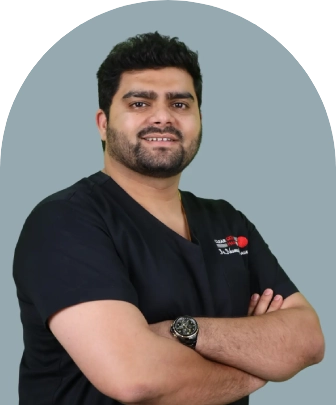
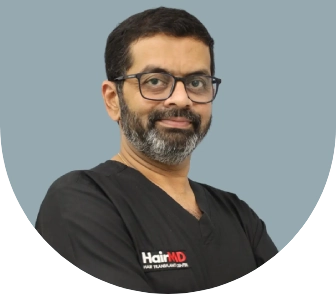
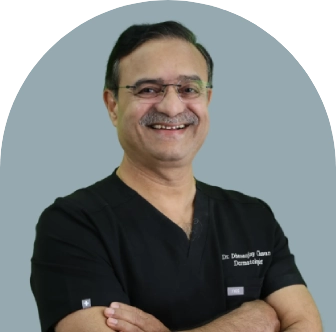
At HairMD, we see over 250 patients every day across 7 clinics in Pune. Our dermatologists, including Dr. Dhanraj Chavan, Dr. Sachin Pawar, and Dr. Dhananjay Chavan, have completed 15+ years of specialist hair loss practice with 4,157+ successful hair transplants.
Every consultation begins with trichoscopy, not a product recommendation, but an accurate diagnosis. Based on the findings, we recommend only what your condition actually requires:
- PRP Therapy, stimulates dormant follicles using your own platelet growth factors
- GFC Growth Factor Therapy, concentrated growth factors for enhanced follicle response
- FUE Hair Transplant, permanent restoration for established hair loss
- Mesotherapy, direct micronutrient delivery to the scalp
- Exosome Hair Therapy, advanced regenerative treatment for hair follicle health
- Blood panel + nutritional assessment, to identify and treat any underlying deficiency driving shedding
Stop guessing, start treating. Book a consultation at HairMD, a trichoscopy assessment takes 30 minutes and gives you a precise diagnosis and actionable plan, not a product suggestion.
Frequently Asked Questions
What is the most effective free thing I can do for hair health?
Daily scalp massage. A 4-minute daily scalp massage using fingertip circular pressure has clinical evidence for increasing hair shaft thickness over 24 weeks. It is free, takes minimal time, and improves blood flow to the dermal papilla, the structure that drives hair growth. Combined with adequate dietary protein and iron, it forms the foundation of follicle health without spending anything.
Does oiling hair make it healthier?
Applied correctly, yes, with nuance. Coconut oil applied to hair lengths before washing penetrates the cortex and reduces protein loss during washing, this is supported by published research (Rele and Mohile, 2003). Oils applied to the scalp that are not thoroughly removed during washing can clog follicles and worsen oily scalp conditions. Oil on lengths for pre-wash treatment or post-wash moisture: beneficial. Heavy oil on the scalp left for days: potentially counterproductive.
Can I improve hair quality without changing my diet?
Topical products can improve the condition of already-grown hair (reducing breakage, improving moisture retention, reducing friction). They cannot improve the structure of new hair growing from the follicle, that requires adequate nutrition at the follicle level. If your diet is deficient in protein or key micronutrients, new hair will grow thinner, more slowly, and shed more easily regardless of what you apply externally.
How long does it take to see results from better hair habits? Hair grows approximately 1–1.5 cm per month. Changes at the follicle level, from better nutrition or reduced inflammation, affect new hair being produced now, which will emerge from the scalp over the following months. You won’t see the impact on the hair that already exists (past the scalp). Typically: reduced shedding is noticeable within 4–8 weeks of correcting a nutritional deficiency; improved hair quality (thicker shaft, stronger new growth) is visible at 3–6 months.
DO YOU KNOW?
Nearly 250 Patients Visit HairMD
Everyday For Various Hair Concerns
(15+ Years Of Expertise. 4157+ Successful Hair Transplant)
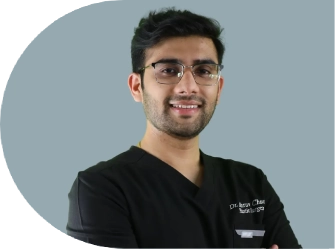
Meet Our Dermatologists

Conclusion
You do not need expensive treatments to maintain healthier hair. A balanced diet, proper scalp care, gentle handling, protection from heat and environmental damage, and good moisture retention can support stronger, healthier-looking hair.
However, persistent shedding, visible thinning, receding hairlines, patchy hair loss, or ongoing scalp problems may indicate an underlying condition that home care cannot treat. In these cases, a dermatologist can identify the cause through proper evaluation and recommend treatment based on your needs.
Start with the basics, stay consistent, and seek professional advice when hair loss goes beyond everyday hair damage.
Further Reading
Can Hair Loss from Excessive Sweating Be Reversed?
Excessive sweating causes hair loss through lactic acid buildup, scalp pH disruption, and DHT in sweat. HairMD dermatologists explain the mechanism and what to do.
Hair Care for Different Age Groups: What Changes and What To Do About It?
Hair needs change significantly with age. HairMD dermatologists explain what happens to hair in your 20s, 30s, 40s, and 50s+, and what to do at each stage to maintain health and catch problems early.
Can Hair Loss Be Reversed?
Wondering if hair loss can be reversed? Discover effective treatments for regrowing your hair!
Can Creatine Cause Hair Loss?
Does creatine increase hair loss? Discover the evidence, common myths, possible risks, and when to consult a hair specialist at HairMD.
Have thoughts? Please let us know
We are committed not only to treating you, but also educating you.