

Does Excessive Sweating Cause Hair Loss? What the Science Says?


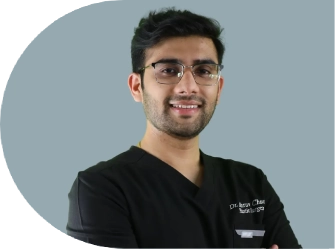
Written by HairMD Content Team | Medically Reviewed by Dr. Dhanraj Chavan On August 25, 2026


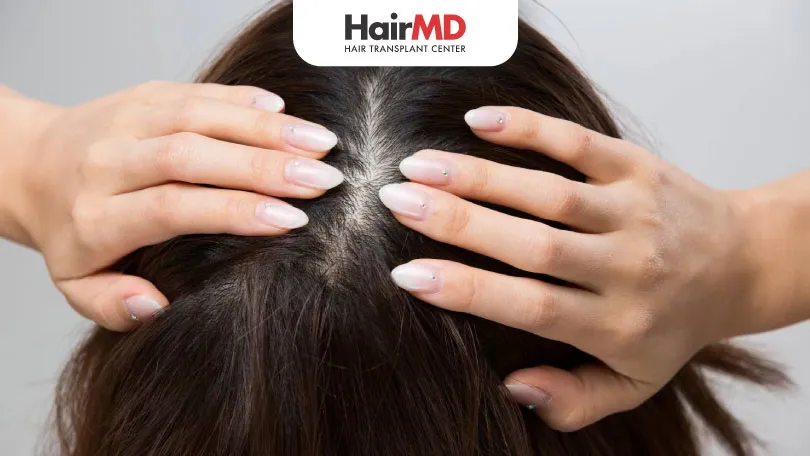
Excessive sweating can happen due to hot weather, intense physical activity, or spending too much time in the sun. Some people sweat more because of a condition called hyperhidrosis, hormonal changes, or other medical issues. Sweating can lead to hair loss, mainly because certain substances in sweat can damage hair follicles, causing hair to fall out.
Yes, excessive sweating can cause and accelerate hair loss. Sweat contains lactic acid, urea, ammonia, and DHT (dihydrotestosterone) that damage follicles when left on the scalp. The scalp’s ideal pH is 4.5 to 5.5. Heavy sweating disrupts this balance, triggering inflammation, bacterial overgrowth, and, in men with androgenetic alopecia, accelerated follicle miniaturization through DHT exposure. Most sweat-related hair loss is reversible with the right scalp hygiene protocol. Hair loss that persists after improving hygiene needs a dermatologist’s evaluation to rule out an underlying trigger.
Summary
- Sweat contains lactic acid, urea, ammonia, and DHT that damage follicles when not washed away promptly
- The scalp’s normal pH (4.5 to 5.5) is disrupted by heavy sweating, promoting bacterial and fungal overgrowth
- DHT is secreted in sweat via the apocrine glands of the scalp, particularly elevated after intense exercise
- Heavy sweating triggers a stress response (HPA axis activation) that can push follicles into telogen effluvium
- Hyperhidrosis (chronic excessive sweating disorder) requires medical diagnosis and targeted treatment
- A post-workout scalp protocol reduces follicle damage significantly
What’s covered in the article?
- How Sweat Damages Hair Follicles?
- DHT in Sweat: The Androgenetic Alopecia Link
- Types of Hair Loss Caused by Sweating
- Hyperhidrosis and Hair Loss
- The Scalp pH Science: Why Timing Your Hair Wash Matters
- Post-Workout Scalp Care Protocol
- When Sweating Alone Is Not the Full Picture?
- HairMD Treatment Solutions for Sweat-Related Hair Loss
- Frequently Asked Questions
- Conclusion
How Does Sweat Damage Hair Follicles?
Sweat from the scalp comes from two types of glands. Eccrine glands produce the majority of sweat, which is largely water, electrolytes, and metabolic waste including lactic acid, urea, and ammonia. Apocrine glands, concentrated on the scalp and groin, produce a thicker secretion that contains androgenic compounds including DHT.
Lactic acid is the most directly damaging component. It binds with the keratin proteins in the hair shaft, breaking disulfide bonds that give hair its tensile strength. This makes hair brittle and prone to breakage. On the scalp, prolonged lactic acid contact irritates the follicular opening, causes microinflammation, and disrupts the protective lipid layer of the scalp skin.
Urea and ammonia in sweat raise the local pH around the follicle when sweat accumulates and partially evaporates. This shifts the scalp away from its ideal acidic environment, weakening the antimicrobial barrier that normally keeps pathogenic bacteria and Malassezia (the yeast linked to dandruff and seborrhoeic dermatitis) in check.
Scalp pH disruption is the mechanism that compounds every other sweat-related problem. When pH rises above 5.5, Malassezia proliferates more aggressively. The resulting seborrhoeic response creates a cycle of scalp inflammation, itching, scratching, and follicular trauma that accelerates hair shedding well beyond what the lactic acid alone would cause.
The practical result: sweat left on the scalp for hours creates an environment that damages the shaft, inflames the follicle, disrupts the microbiome, and physically loosens hair through scratching. This is why gym-goers who do not wash their scalp within one to two hours of a heavy workout often notice increased shedding over weeks.
DHT in Sweat: The Androgenetic Alopecia Link
This is the component most people do not know about. The apocrine glands on the scalp actively secrete DHT, the androgen responsible for androgenetic alopecia (AGA). Research published in the Journal of Investigative Dermatology has confirmed that DHT concentration in scalp sweat is measurable and rises significantly after exercise.
For men who are genetically sensitive to DHT, this creates a direct follicle-level exposure problem. When sweat sits on the scalp, DHT from the apocrine secretion can bind to androgen receptors in the hair follicle. Repeated, prolonged binding accelerates follicle miniaturization, the same process that drives pattern baldness, just topically accelerated.
This is why men with early male hair loss who train intensely often notice their hairline and temples receding faster than peers who exercise less or wash their scalp promptly after workouts. The DHT in sweat is not the original cause of their AGA, but it acts as an accelerant when hygiene is poor.
For women, DHT concentration in scalp sweat is lower, but in cases of hormonal hair loss linked to elevated androgens (PCOS, post-partum hormonal shifts), sweat-mediated DHT exposure can still contribute to diffuse thinning on the crown and vertex.
Types of Hair Loss Caused by Sweating
Not all sweat-related hair loss works the same way. Understanding which type you are dealing with determines the right response.
|
Type |
Primary Mechanism |
Who Is at Risk |
Reversible? |
Timeline |
|
Telogen effluvium from scalp inflammation |
Lactic acid and pH disruption trigger follicle stress, pushing hairs into telogen (resting) phase |
Anyone with heavy sweating + poor scalp hygiene |
Yes |
3 to 6 months after correcting hygiene |
|
AGA acceleration via sweat DHT |
Apocrine DHT binds follicle receptors, speeds up miniaturization in genetically susceptible scalp |
Men with family history of baldness, early NW2-3 |
Partially (miniaturization can be slowed, not reversed without treatment) |
Progressive without intervention |
|
Seborrhoeic dermatitis flare-induced shedding |
pH disruption allows Malassezia overgrowth, causing scalp inflammation and reactive shedding |
Oily scalp types, those with existing dandruff |
Yes |
4 to 8 weeks with appropriate antifungal shampoo |
|
Traction/friction hair loss |
Headbands, tight workout hairstyles, sweaty scalp friction from helmets |
Athletes, cyclists, weightlifters |
Yes (if caught early) |
2 to 4 months after stopping friction |
|
Hyperhidrosis-related chronic shedding |
Chronic scalp moisture prevents follicle oxygenation, constant bacterial/fungal pressure |
Primary hyperhidrosis patients |
Partially (needs hyperhidrosis treatment) |
Requires medical management |
Hyperhidrosis and Hair Loss
Hyperhidrosis is a medical condition characterised by sweating that exceeds what the body needs for temperature regulation. It affects approximately 3% of the population. Primary hyperhidrosis has no underlying cause and involves overactive sweat glands, often on the scalp, hands, feet, and underarms. Secondary hyperhidrosis is caused by an underlying condition including thyroid disorders, diabetes, hormonal imbalances, or medication side effects.
For hair loss purposes, hyperhidrosis of the scalp creates a permanently disrupted scalp environment. The scalp never reaches a dry, balanced pH state between washes. This leads to:
Chronic Malassezia overgrowth that inflames follicles persistently, repeated skin barrier breakdown that allows bacteria to colonise follicular openings, and a constant itch-scratch cycle that physically traumatises follicles over months and years.
If your scalp sweats heavily even when you are not exercising, at rest, or in air-conditioned environments, consult a dermatologist. This pattern suggests primary hyperhidrosis that needs evaluation, not just improved hair care.
Warning signs that sweating is a medical problem, not just a lifestyle issue:
- Scalp sweats profusely without physical exertion
- Sweating disrupts sleep (pillow is soaked)
- Sweating is asymmetric (one side significantly more than the other)
- Hair loss is progressing rapidly despite good hygiene
- Scalp has persistent redness, pustules, or crusting along with sweating
The Scalp pH Science: Why Timing Your Hair Wash Matters?
The scalp’s natural surface pH of 4.5 to 5.5 is maintained by the acid mantle, a thin protective film produced by sebaceous glands and sweat in balance. This acidic environment is not arbitrary. It is specifically hostile to pathogenic bacteria and the Malassezia yeast that drives dandruff and seborrhoeic dermatitis.
Heavy sweating temporarily raises the scalp surface pH. A 2014 study in the International Journal of Cosmetic Science demonstrated that scalp pH elevation above 6.0 creates conditions for a 3-fold increase in Malassezia colony counts within 4 hours.
This is why the post-workout timing of your scalp wash matters clinically. Washing within 60 to 90 minutes of exercise, before the sweat fully dries and the pH equilibrium shifts, substantially reduces microbial overgrowth and follicular inflammation compared to waiting 4 or more hours.
Dry shampoo is not a substitute. It absorbs visible sebum but does not neutralise lactic acid, remove DHT from apocrine secretions, or restore scalp pH. Using dry shampoo repeatedly between workouts while avoiding water washing is one of the most common mistakes seen in patients presenting with exercise-related hair loss.
Post-Workout Scalp Care Protocol
This protocol is built around the clinical window of 60 to 90 minutes post-exercise when scalp pH is still recoverable and DHT from sweat has not deeply penetrated the follicular canal.
Step 1: Do not tie wet or sweaty hair tightly immediately post-workout. Tight ponytails or buns on a sweaty, swollen scalp increase traction stress on follicles already inflamed from heat and lactic acid. Let hair down as soon as the workout ends.
Step 2: Use a headband or absorbent hair wrap during exercise. This reduces direct sweat contact with the scalp and slows pH disruption. Replace it if it becomes saturated.
Step 3: Wash the scalp within 60 to 90 minutes. Use lukewarm water (not hot, which strips the acid mantle). Apply shampoo directly to the scalp, not the hair shaft. A mild, pH-balanced shampoo (pH 4.5 to 5.5) is ideal.
Step 4: Massage the scalp gently during the wash. Circular fingertip massage breaks up lactic acid deposits in the follicular openings and improves blood circulation.
Step 5: Rinse thoroughly. Shampoo residue on the scalp raises pH and feeds bacterial growth. Rinse until the scalp feels completely clean.
Step 6: Pat dry with a soft microfibre towel. Do not rub vigorously. Wet hair follicles are mechanically vulnerable.
Step 7: Apply a light scalp serum or conditioner on the hair lengths only. Do not apply heavy conditioners to the scalp post-workout as they can clog follicular openings.
What to do if you cannot wash immediately: Use a clean towel to blot (not wipe) the scalp dry. Remove any tight hairstyle. Avoid dry shampoo as the primary solution. Wash within 2 hours maximum.
When Sweating Alone Is Not the Full Picture?
Sweating accelerates existing hair loss; it rarely causes hair loss in isolation in people with no other susceptibilities. If you are experiencing significant hair shedding alongside heavy sweating, consider whether any of these underlying triggers are present:
Thyroid dysfunction drives both hyperhidrosis and telogen effluvium simultaneously. A TSH test rules this in or out with a single blood draw.
Iron deficiency is endemic in India, particularly in women. Low ferritin (below 40 ng/mL) causes diffuse shedding that is often blamed on sweating but does not improve with hygiene changes alone.
Androgenetic alopecia in its early stages may only become visible during periods of increased DHT exposure from sweat. The sweating did not start the AGA; it unmasked it. These patients need a dedicated AGA treatment plan alongside scalp hygiene improvement.
Stress-related telogen effluvium and heavy sweating often co-occur because intense exercise or stressful life periods cause both. The HPA axis (hypothalamic-pituitary-adrenal) activation from chronic stress elevates cortisol, which pushes follicles into telogen phase. If your hair loss began during a period of significant physical or emotional stress, sweating is a bystander, not the driver.
A dermatologist consultation including a detailed hair pull test, trichoscopy, and basic blood panel (CBC, ferritin, TSH, Vitamin D, DHEAS) separates sweat-related hair loss from these underlying conditions.
If scalp hygiene improvements alone do not resolve your hair loss within 3 to 4 months, or if a dermatologist identifies an underlying cause such as AGA or seborrhoeic dermatitis driving the problem, clinical treatments are available.
|
Your Condition |
Recommended Treatment at HairMD |
What It Does |
|
Scalp inflammation from sweat, dandruff, seborrhoeic dermatitis |
Delivers anti-inflammatory nutrients directly to the scalp dermis |
|
|
Telogen effluvium (diffuse shedding after stress or sweat-driven inflammation) |
Growth factors restart dormant follicles and reduce scalp inflammation |
|
|
Early AGA accelerated by DHT in sweat |
Higher-concentration growth factors combined with anti-androgen guidance |
|
|
Significant scalp thinning, miniaturised follicles |
Cellular regeneration signalling to reverse follicle miniaturisation |
|
|
Advanced AGA with permanent loss zones |
Permanent restoration of lost density in bald areas |
|
|
Scalp infections, folliculitis from bacterial overgrowth |
Targeted antibacterial or antifungal protocol, intralesional treatment if needed |
Over 250 patients visit HairMD daily for hair concerns. With 15+ years of expertise and 4,157+ successful hair transplants, our dermatologists in Pune provide diagnosis-first treatment plans tailored to your specific cause of hair loss, not a generic protocol.
Frequently Asked Questions
Can sweating every day cause permanent hair loss?
Daily sweating alone does not cause permanent hair loss in people without underlying androgenetic alopecia. However, if sweat is not washed away within 2 hours consistently, the chronic scalp inflammation and pH disruption can progressively weaken follicles over months. In men with genetic AGA, daily sweat exposure to DHT from apocrine glands can accelerate an existing miniaturisation process, making what would have been gradual thinning progress faster. The key word is “accelerate.” Sweating triggers or worsens hair loss; it is rarely the standalone cause of permanent baldness.
Does exercising cause hair loss?
Exercise itself does not cause hair loss. Intense exercise transiently elevates DHT levels through testosterone conversion, and this DHT is secreted via apocrine sweat glands on the scalp. For men with androgenetic alopecia susceptibility, this post-workout DHT exposure is a real accelerant. However, the benefits of exercise on cortisol regulation, blood circulation, and overall health far outweigh this risk. The solution is post-workout scalp hygiene, not stopping exercise.
Is hair loss from sweating reversible?
Yes, in most cases. Telogen effluvium triggered by sweat-induced scalp inflammation is reversible within 3 to 6 months of correcting scalp hygiene. Seborrhoeic dermatitis-related shedding resolves in 4 to 8 weeks with appropriate antifungal treatment. The exception is AGA that has been accelerated over months or years of poor scalp hygiene without treatment: advanced follicle miniaturisation reached through accelerated AGA may not fully reverse without clinical intervention such as PRP, GFC, or hair transplant for permanent zones.
How often should I wash my hair if I sweat a lot?
Wash your scalp after every workout where you sweat significantly, even if that means washing daily. The concern about daily washing stripping the scalp applies to washing with harsh, high-pH shampoos. A mild, pH-balanced shampoo used daily on a sweating scalp is far less damaging than leaving lactic acid and DHT in contact with follicles for 24 hours. If daily washing causes dryness, apply conditioner to the hair lengths only (not the scalp) and consider a scalp-specific tonic between washes.
Can I use dry shampoo instead of washing after a workout?
No. Dry shampoo absorbs visible oil from the hair shaft but does not remove lactic acid from the scalp, does not restore scalp pH, and does not clear DHT from apocrine secretions. Using dry shampoo as the primary post-workout scalp solution while delaying water washing compounds the pH disruption problem. Dry shampoo is acceptable for styling purposes on non-workout days when the scalp is clean.
When should I see a dermatologist for sweat-related hair loss?
See a dermatologist if: your hair loss continues for more than 3 months despite improved scalp hygiene after workouts; your scalp sweats heavily even at rest without physical exertion; you notice a distinct hairline recession pattern (suggesting AGA, not just shedding); your scalp has persistent redness, crusting, or pus-filled bumps; or hair loss is accompanied by other symptoms such as fatigue, weight changes, or irregular periods (which suggest a hormonal or nutritional cause). These scenarios require diagnosis-specific treatment, not just hygiene adjustments.
DO YOU KNOW?
Nearly 250 Patients Visit HairMD
Everyday For Various Hair Concerns
(15+ Years Of Expertise. 4157+ Successful Hair Transplant)
Meet Our Dermatologists

Conclusion
Excessive sweating causes hair loss through three overlapping mechanisms: lactic acid-driven follicle damage and pH disruption, DHT secretion via apocrine scalp sweat (particularly relevant for AGA-susceptible individuals), and Malassezia-driven seborrhoeic inflammation from the disrupted microbiome. For most people, sweat-related hair loss is a reversible telogen effluvium that resolves within months of consistent post-workout scalp hygiene.
The cases that do not self-resolve are those where an underlying condition is present. Androgenetic alopecia accelerated by DHT in sweat will not reverse with hygiene alone. Neither will hair loss driven by iron deficiency, thyroid dysfunction, or chronic hyperhidrosis. A professional diagnosis distinguishes these scenarios from simple hygiene-related shedding and ensures you are treating the right cause.
At HairMD Pune, our dermatologists use trichoscopy and targeted blood panels to identify whether your sweat-linked hair loss needs hygiene guidance, scalp treatment, or a clinical intervention. Do not lose months managing a symptom when the underlying cause is treatable.
Further Reading
How to Treat PCOS Hair Loss ? – A Comprehensive Guide
Discover effective ways on how to treat PCOS hair loss naturally and medically. Get expert-backed advice for managing PCOS-related hair loss.
How Certain Hair Products May Contribute to Hair Loss?
Discover hair products that can cause hair loss and learn how to protect your hair effectively.
What is FUE Hair Transplant? Everything You Need to Know
Discover FUE hair transplant: procedure, pain management, costs, and expert insights from HairMD, Pune. Get the facts in one place
Hair Care for Different Age Groups: What Changes and What To Do About It?
Hair needs change significantly with age. HairMD dermatologists explain what happens to hair in your 20s, 30s, 40s, and 50s+, and what to do at each stage to maintain health and catch problems early.
Have thoughts? Please let us know
We are committed not only to treating you, but also educating you.