

Hair Transplant Results for Wakad Residents: Timeline, Recovery & What to Expect?
Written by HairMD Content Team | Medically Reviewed by Dr. Dhanraj Chavan
Updated on February 02, 2026
If you live in Wakad and are considering a hair transplant, one of the most common questions is simple but important:
“When will I actually see results – and how natural will they look?”
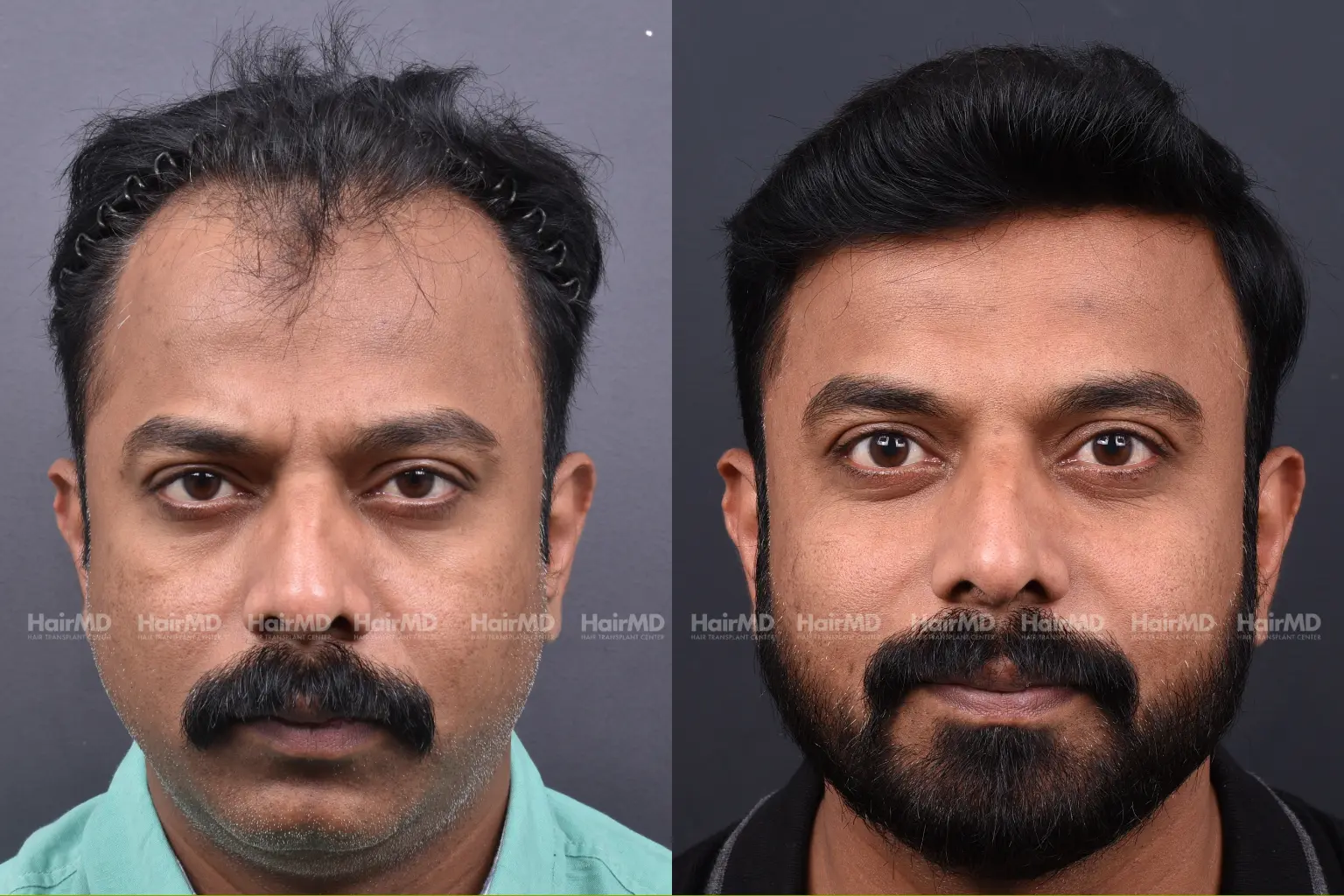
This guide explains what hair transplant results realistically look like, how long growth takes, what affects outcomes, and how residents from Wakad typically plan treatment and recovery. The goal is to help you make an informed decision – without unrealistic promises or confusing jargon.
What Most Wakad Residents Can Expect?
- Hair transplant results are gradual, not instant
- Early regrowth often starts around 3–4 months
- Visible improvement is usually seen by 6–8 months
- Final results continue to mature up to 12 months
- Natural outcomes depend on donor quality, technique, and aftercare
For many patients, combining surgery with supportive treatments such as PRP or GFC helps protect existing hair and improve long-term stability.
What’s covered in the article?
- What “good hair transplant results” really mean
- Typical FUE hair transplant timeline
- Factors that influence final outcomes
- Local Considerations for Wakad Residents
- Who Is a Good Candidate for a Hair Transplant?
- Frequently Asked Questions
- What Wakad Residents Should Review Next?
What Do “Good” Hair Transplant Results Really Mean?
A successful hair transplant should not look obvious.
Good results usually mean:
- A natural-looking hairline that matches your age and facial structure
- Balanced density, not an overpacked or artificial appearance
- Hair that grows, sheds, and styles naturally over time
For Wakad residents, realistic expectations are especially important. Many patients are working professionals who want results that look subtle and mature – not something that draws attention.
A medically planned transplant focuses on:
- Preserving donor hair for future needs
- Designing density appropriate for your pattern of hair loss
Long-term hair stability, not short-term cosmetic hype
Typical Hair Transplant Timeline (FUE Method)
Most patients are surprised to learn that shedding after a transplant is normal. Understanding the timeline helps avoid unnecessary worry.
Days 1–10: Healing Phase
- Mild swelling or redness may occur
- Small scabs form and fall off naturally
- Proper washing and sleep posture are important
Weeks 2–6: Temporary Shedding
- Transplanted hairs may shed (“shock loss”)
- This does not mean the transplant has failed
- Hair follicles remain safely under the scalp
Months 3–4: Early Regrowth
- Fine, soft hairs begin to appear
- Growth may be uneven at first
Months 6–8: Visible Improvement
- Hair becomes thicker and more noticeable
- Density differences start evening out
Months 9–12: Maturation Phase
- Texture and thickness continue improving
Final shape and density become clearer
What Affects Hair Transplant Results?
Not all outcomes are the same. Several factors influence how your results turn out.
1. Donor Hair Quality
Strong donor density at the back or sides of the scalp allows for better coverage and natural fullness.
2. Stage of Hair Loss
Early or moderate hair loss often responds better than advanced baldness. In some cases, staged procedures are recommended.
3. Technique and Planning
FUE hair transplant success depends on:
- Correct graft extraction
- Proper angle and placement
- Surgeon-led planning rather than technician-only execution
4. Aftercare and Lifestyle
Smoking, excessive sun exposure, heavy exercise too soon, or skipping follow-ups can affect comfort and healing.
5. Supportive Treatments
In early thinning or diffuse hair loss, PRP therapy or GFC therapy may be recommended alongside or before surgery to strengthen existing hair.
You can learn more about these options here:
- Hair Transplant Treatment
- PRP Therapy
- GFC Therapy
Local Considerations for Wakad Residents
Wakad is a rapidly growing area with many patients balancing work schedules, commuting, and recovery time.
Some practical points Wakad residents often plan for:
- Travel time for consultations and follow-ups within Pune
- Scheduling procedures around weekends or leave days
- Short recovery downtime before returning to desk work
Most patients are able to resume non-strenuous work within a few days, depending on comfort and swelling.
If you live near Baner, Hinjewadi, or nearby areas, your consultation can help plan visits efficiently without disrupting daily routines.
Who Is a Good Candidate for a Hair Transplant?
You may be a good candidate if:
- Your hair loss pattern is stable or predictable
- You have sufficient donor hair
- You want long-term improvement, not quick cosmetic fixes
You may need alternative or supportive treatments if:
- Hair loss is still rapidly progressing
- Donor density is limited
- Hair fall is due to medical or hormonal causes
A proper diagnosis always comes first.
Frequently Asked Questions
How long does it take to see hair transplant results?
Most patients notice early growth around 3–4 months, with visible improvement by 6–8 months. Results continue to mature up to 12 months.
Is PRP or GFC enough, or do I need a transplant?
PRP and GFC can help early or moderate thinning but cannot replace lost follicles in advanced baldness. Many patients benefit from a combined approach.
Can I return to work quickly after a hair transplant?
Many people return to desk work within a few days. Strenuous activity should be avoided for at least a week.
What is the most common mistake after a transplant?
Rushing recovery – scratching the scalp, heavy exercise, or ignoring aftercare instructions – can affect comfort and healing.
What Wakad Residents Should Review Next?
If you are researching hair transplant options from Wakad, the most useful next step is to understand whether your current stage of hair loss, donor availability, and long-term expectations make surgery the right path.
In some cases, a transplant may be the right option immediately. In others, supportive treatments such as PRP or GFC may be discussed first to stabilize thinning and improve planning. The goal is not to rush into a procedure, but to understand the sequence of treatments that fits the diagnosis.
To continue your research, review the Wakad area page, compare non-surgical treatment articles from the same locality, or explore the main hair transplant treatment page for a broader medical overview.
Medical Disclaimer:
This article is for informational purposes only and does not replace professional medical advice. Treatment suitability varies by individual diagnosis.