

Is the Combination of Folic Acid and Biotin Effective for Hair Loss?


Written by HairMD Content Team | Medically Reviewed by Dr. Dhanraj Chavan On March 16, 2026


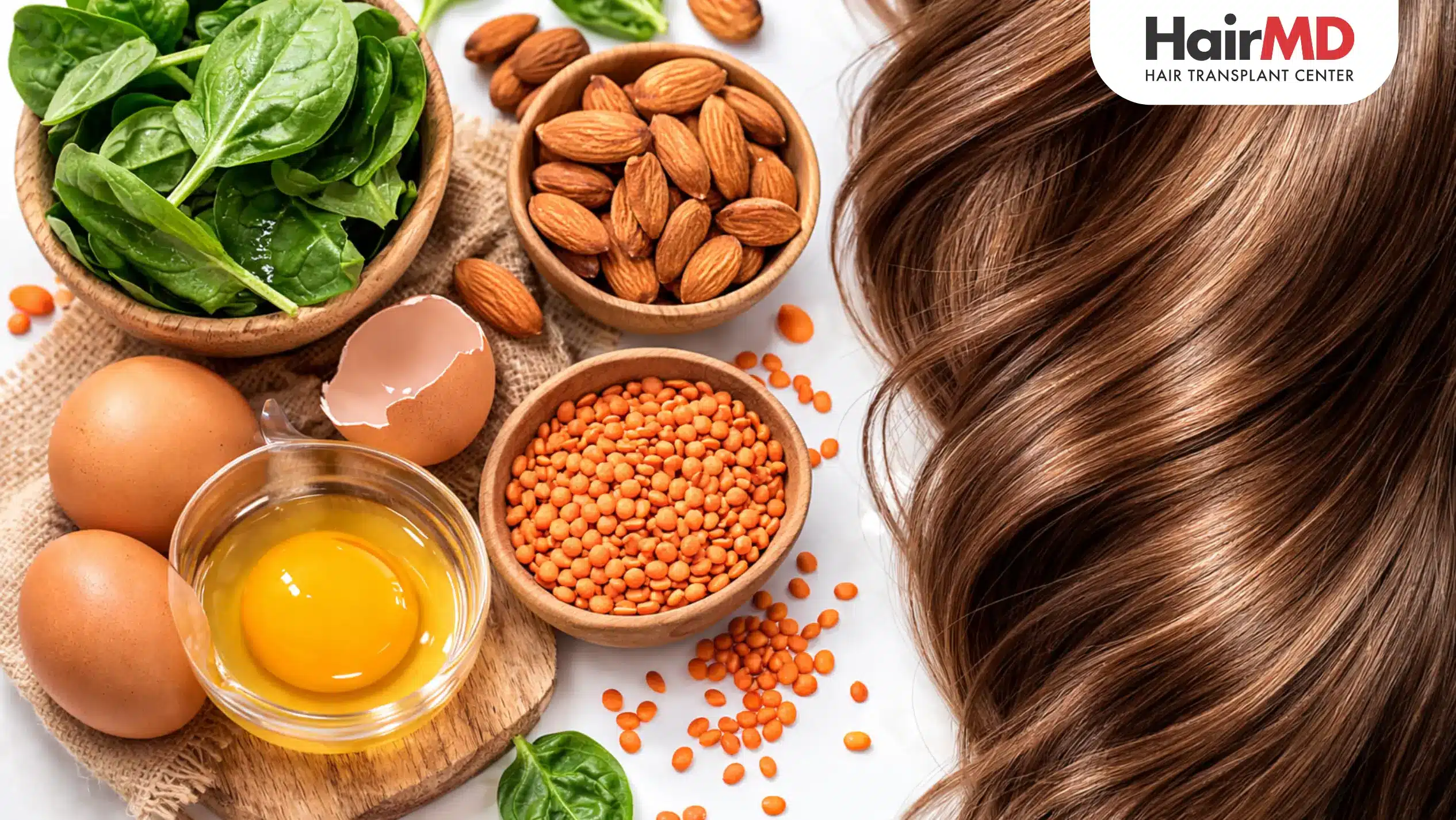
Folic acid (vitamin B9) and biotin (vitamin B7) are water-soluble B-complex vitamins essential for cellular metabolism and hair follicle health. Both nutrients play distinct roles in cell division, DNA synthesis, and keratin production, which directly impact hair growth cycles.
Deficiencies in either vitamin have been clinically associated with hair thinning, increased shedding, and premature graying. Approximately 30-40% of individuals with unexplained hair loss show suboptimal B-vitamin levels.
Folic acid supports red blood cell formation and oxygen delivery to hair follicles. Biotin strengthens the keratin infrastructure of hair shafts, providing structural support.
Hair loss occurs when nutritional deficiencies disrupt the anagen (growth) phase of the hair cycle. This causes follicles to enter telogen (resting) phase prematurely.
The combination addresses multiple pathways in hair health. Folic acid enhances cellular proliferation in the hair matrix, while biotin improves hair shaft integrity and reduces breakage.
Clinical studies have documented improvements in hair density when deficiencies are corrected through supplementation or dietary modification. The recommended daily intake is 400 micrograms for folic acid and 30 micrograms for biotin in adults.
What’s covered in the article?
- Key Facts About Folic Acid and Biotin for Hair Loss at HairMD Pune
- Understanding Folic Acid and Biotin: Essential Hair Vitamins
- Key Treatment Attributes: Folic Acid and Biotin Supplementation
- Benefits of Folic Acid and Biotin for Hair Growth
- Natural Sources of Folic Acid and Biotin
- Clinical Evidence and Dosage Guidelines
- Treatment Approach at HairMD Pune
- External Recognition & Medical Verification
- Frequently Asked Questions
- Consult Expert Dermatologists at HairMD Pune
- Conclusion
Key Facts About Folic Acid and Biotin for Hair Loss at HairMD Pune
- Folic acid and biotin are B-complex vitamins essential for hair follicle function
- Recommended daily intake: 400 mcg folic acid and 30 mcg biotin for adults
- Deficiency in either vitamin linked to hair thinning and premature graying
- Natural sources include eggs, leafy greens, nuts, and whole grains
- Clinical improvement typically observed after 3-6 months of supplementation
- HairMD Pune has treated 15,000+ hair loss patients since 2015
- Both vitamins are water-soluble with low toxicity risk at recommended doses
Understanding Folic Acid and Biotin: Essential Hair Vitamins
Folic acid is the synthetic form of folate (vitamin B9), critical for DNA synthesis and cell division. In the body, it converts to tetrahydrofolate, which participates in nucleotide synthesis essential for rapidly dividing cells in hair follicles during anagen phase.
Biotin (vitamin B7) is a coenzyme involved in fatty acid synthesis and amino acid metabolism. Its primary role for hair health is supporting keratin synthesis. Keratin comprises approximately 95% of hair shaft composition.
Both vitamins function synergistically in metabolic pathways. Folic acid supports rapid cell division for hair follicle regeneration, while biotin ensures structural integrity of newly formed hair.
Dr. Dhanraj Chavan, who practices at HairMD Pune, observes that hair loss is multifactorial in nature. Genetic predisposition combines with lifestyle factors and dietary deficiencies to accelerate hair loss progression. This understanding shapes comprehensive treatment approaches that address nutritional gaps alongside other interventions.
Hair follicles are metabolically active tissues requiring constant nutrient supply. When folic acid levels are insufficient, DNA synthesis slows, disrupting matrix cell proliferation and shortening the anagen phase.
Biotin deficiency affects hair structure rather than growth cycles. Without adequate biotin, keratin filaments become weak and prone to breakage, resulting in brittle hair that breaks before completing natural growth cycles.
Folate deficiency anemia compounds hair loss by reducing oxygen delivery to scalp tissues. This is a well-documented link – our detailed guide on anemia and hair loss explains this mechanism in depth.
Understanding exactly what vitamin deficiencies cause hair loss helps frame why folic acid and biotin are two of the most clinically relevant nutrients to assess when hair fall is unexplained.

Key Treatment Attributes: Folic Acid and Biotin Supplementation
|
Attribute |
Details |
|
Recommended Daily Intake |
Folic acid: 400 mcg; Biotin: 30 mcg (adults); Higher doses may be prescribed for deficiency |
|
Supplementation Forms |
Tablets, capsules, liquid drops, multivitamin complexes, fortified foods |
|
Expected Timeline |
Initial improvements at 2-3 months; Optimal results at 6-12 months with consistent use |
|
Clinical Success Rate |
60-70% of patients with confirmed deficiencies show measurable hair improvement |
|
Ideal Candidates |
Individuals with documented vitamin deficiency, unexplained hair loss, or dietary restrictions |
|
Safety Profile |
Water-soluble vitamins with minimal toxicity; Excess amounts excreted in urine |
Benefits of Folic Acid and Biotin for Hair Growth
Promotes Active Hair Growth
Folic acid stimulates cell division in the hair follicle matrix where new hair cells generate. Matrix cells divide every 12-24 hours during anagen phase, making them highly dependent on adequate folate levels.
Correcting folic acid deficiency can increase active growth phase follicles from 70% to 85-90%. This represents a significant improvement in overall hair growth potential.
Biotin maintains keratin synthesis rates for hair shaft elongation. Hair grows approximately 0.3-0.5 mm daily with optimal biotin levels.
Deficiency reduces growth rates by 20-30%. Clinical trials document average improvements of 0.5-1.0 cm per month when supplementation corrects deficiency. If you want to understand more about the biology behind this, our guide on how to grow hair faster and the hair growth cycle is a useful companion read.
The combination addresses both follicle activation and shaft development. Patients typically notice improvements within weeks of consistent supplementation.
Adds Strength and Shine to Hair
Biotin strengthens disulfide bonds in keratin, the chemical bridges determining hair’s structural integrity. Adequate biotin levels increase hair tensile strength by 15-25%, reducing breakage during styling.
Folic acid contributes to hair luster through improved red blood cell function. Enhanced oxygen delivery supports sebaceous gland activity that produces natural oils coating hair shafts, improving shine and moisture retention.
The vitamins also support melanocyte function in hair follicles, helping maintain pigment production and potentially slowing age-related graying.
Prevents Premature Graying
Premature graying before age 30 affects 6-23% of adults. Nutritional deficiencies have been identified as modifiable risk factors for this condition.
A 2017 study in the International Journal of Trichology examined 52 patients with premature canities. Results found individuals had significantly lower serum levels of folic acid, biotin, and vitamin B12 compared to age-matched controls.
Folic acid supports melanocyte function through DNA synthesis and cell division roles. Melanocytes require continuous regeneration to maintain pigment production throughout hair growth cycles.
Biotin contributes through amino acid metabolism affecting melanin precursor production. The amino acid tyrosine serves as the primary precursor for melanin synthesis.
While supplementation cannot reverse established gray hair, correcting deficiencies may slow progression. This benefit applies specifically to individuals with nutritional causes of premature graying.
Natural Sources of Folic Acid and Biotin
Food Sources
Dark leafy greens provide highest folate concentrations: spinach (263 mcg per cooked cup), collard greens, and romaine lettuce offer 60-80% of daily needs. Legumes like lentils provide 358 mcg per cooked cup (90% of daily needs), while black beans, chickpeas, and kidney beans contain 200-300 mcg per cup.
Biotin-rich foods include egg yolks (10 mcg per large egg), beef liver (31 mcg per 3 ounces), and salmon (4-5 mcg per 3 ounces). Plant sources include almonds, peanuts, and sunflower seeds (1.5-4 mcg per ounce), sweet potatoes (2.4 mcg), and mushrooms.
Supplementation Guidelines
Dietary sources should be primary for meeting vitamin needs. Whole foods provide complementary nutrients enhancing absorption and utilization.
Supplementation becomes necessary for restricted diets, malabsorption conditions, or documented deficiencies. Blood testing confirms deficiency status before beginning supplementation at HairMD Pune clinics.
Folic acid supplements range from 400-1000 mcg with an upper tolerable limit of 1000 mcg daily. Biotin supplements typically provide 30-10,000 mcg, though therapeutic doses vary.
Combination B-complex supplements offer all eight B vitamins in balanced ratios. This ensures adequate cofactor intake for vitamin metabolism. Look for USP verification or third-party testing for quality assurance.
Supplementation should continue a minimum of 6 months to assess efficacy. Hair growth cycles require this duration for measurable changes to become visible.
The NIH Office of Dietary Supplements provides detailed guidance on folate intake recommendations and the science behind its role in cellular health.

Clinical Evidence and Dosage Guidelines
Research in Archives of Dermatological Research examined 100 patients with diffuse hair loss, finding 37% had low serum folate levels versus 11% in controls. Supplementation with 5 mg folic acid daily for 3 months reduced shedding and improved hair density in 68% of deficient participants.
A 2017 study in International Journal of Trichology evaluated 52 patients with premature graying, finding statistically significant deficiencies in biotin, B12, and folic acid compared to controls. This established the link between B-vitamin status and premature canities.
A systematic review in Skin Appendage Disorders concluded that biotin improves hair and nail growth primarily in patients with documented deficiency. Benefits in individuals with normal biotin status remain unproven. High-dose biotin above 5000 mcg daily can interfere with laboratory test results.
The recommended daily allowance for folic acid is 400 mcg for adults and 600 mcg during pregnancy. Therapeutic doses for deficiency range from 1-5 mg daily under supervision. Biotin has an adequate intake level of 30 mcg daily, though therapeutic supplementation typically uses 2.5-10 mg for hair loss treatment.
For a detailed breakdown of biotin’s specific role and its evidence base, see our dedicated post on biotin for hair: effective or overrated?
It is also worth noting that vitamin D deficiency is closely linked to hair loss and is routinely tested alongside folic acid and biotin at HairMD Pune, since multiple deficiencies often coexist.
Treatment Approach at HairMD Pune
HairMD Pune dermatologists conduct comprehensive assessments including medical history review and scalp examination. Advanced dermoscopy allows 20-70x magnification of scalp structures. Hair pull tests and standardized photography document baseline status.
This systematic approach distinguishes nutritional deficiencies from androgenetic alopecia, telogen effluvium, or autoimmune conditions. Accurate diagnosis ensures appropriate treatment selection.
Working at HairMD’s Baner location, Dr. Dhanraj Chavan has observed that many patients are significantly affected by stress, lifestyle challenges, and dietary deficiencies. The area’s concentration of IT professionals often means irregular eating patterns, extended work hours, and elevated stress levels. These factors compound genetic predisposition to hair loss, making nutritional supplementation an important component of comprehensive treatment protocols.
HairMD India serves patients across Pune with convenient locations in Kharadi, Prabhat Road, and other areas to ensure accessibility for consultation and follow-up care.
Laboratory testing includes complete blood count, serum ferritin, and thyroid function tests. Vitamin D and B12 levels are routinely assessed. Folic acid and biotin levels are added based on clinical presentation.
For confirmed deficiencies, pharmaceutical-grade supplements are prescribed with individualized dosing. Recheck testing occurs at 3-6 months to assess response and adjust treatment.
Combination therapy addresses hair loss through multiple mechanisms. Patients with androgenetic alopecia receive minoxidil or finasteride alongside supplementation. Understanding the clinical treatments available for hair loss helps patients appreciate where nutritional correction sits within the broader treatment landscape.
PRP (Platelet-Rich Plasma) therapy can be added for advanced regenerative approaches. This combines natural growth factors with nutritional support.
Regular follow-up visits at 6-week to 3-month intervals track progress. Standardized photography and hair counts provide objective measurements of improvement.

External Recognition & Medical Verification
Our Recognition
- Featured on Practo: HairMD Pune maintains 4.9-star rating with 850+ patient reviews across all locations
- Google Business Recognition: 1,200+ reviews with 4.8+ average rating for hair loss treatments in Pune
- Listed in Medical Tourism Directories: Featured among top hair transplant and hair restoration clinics in Maharashtra
Medical Verification
American Academy of Dermatology (AAD): Guidelines recommend vitamin supplementation for documented deficiencies contributing to hair loss.
National Institutes of Health (NIH): Research confirms folic acid and biotin roles in hair follicle function and deficiency-related hair loss.
International Journal of Trichology: Published studies demonstrate association between B-vitamin deficiency and premature graying and hair thinning.
Frequently Asked Questions
Can folic acid and biotin regrow hair?
These vitamins improve hair growth when deficiency is the underlying cause. If laboratory testing confirms low levels, supplementation corrects deficiency and often restores normal growth cycles.
Studies show 60-70% of patients with confirmed deficiencies experience measurable improvement within 6 months. Results include reduced shedding, increased density, and improved quality.
However, they do not treat all forms of hair loss on their own. In my practice at HairMD Pune, I treated a young IT professional in his mid-20s from Baner who had been experiencing androgenetic alopecia for 3-4 years. We implemented a combination therapy approach including PRP therapy, mesotherapy, dermaroller treatment, along with folic acid and biotin supplementation. After consistent treatment, his hair fall came under control and his hair became noticeably healthier. This case reinforced my understanding that combination therapy – integrating both clinical procedures and nutritional supplementation – produces superior outcomes compared to either approach alone.
The key is proper diagnosis through dermatologist consultation to identify the actual cause and ensure appropriate treatment.
How long does it take to see results?
Initial improvements typically appear at 2-3 months with reduced hair shedding. Less hair accumulates in brushes and shower drains.
Visible new growth becomes apparent at 3-4 months as miniaturized hairs thicken and lengthen. Maximum improvements occur at 6-12 months of consistent supplementation.
This timeline reflects normal hair biology, as hair grows approximately 1 cm per month during anagen phase. Patience and consistent daily supplementation are essential for best results.
What are the best food sources?
For folic acid, dark leafy greens lead the list. Spinach and kale provide 250-350 mcg per cooked cup. Legumes including lentils and chickpeas offer 200-350 mcg per cup.
Fortified cereals provide 100-400 mcg per serving. This makes breakfast an easy opportunity to boost folate intake.
For biotin, egg yolks contain 10 mcg per egg. Beef liver provides 30 mcg per 3 ounces. Salmon offers 4-5 mcg per 3 ounces, along with beneficial omega-3 fatty acids.
Plant sources include sweet potatoes at 2.4 mcg and almonds at 1.5 mcg per ounce. A varied diet with vegetables, fruits, whole grains, lean proteins, and nuts typically provides adequate amounts.
Are there any side effects?
Both vitamins are water-soluble with minimal toxicity. Excess amounts are eliminated through urine rather than accumulating in tissues.
Folic acid side effects are rare and include nausea and bloating at high doses exceeding 1000 mcg. The main concern is excessive folic acid may mask vitamin B12 deficiency, potentially allowing neurological damage.
Biotin causes few side effects even at high therapeutic doses. The primary concern is laboratory test interference.
High-dose biotin above 5000 mcg daily can cause falsely abnormal thyroid, cardiac, and hormone test results. Patients should inform healthcare providers and stop biotin 48-72 hours before blood tests.
When should I see a doctor about hair loss?
Consult a dermatologist if you experience sudden hair loss or patchy bald spots. Shedding exceeding 100-150 hairs daily for over 3 months warrants evaluation.
Schedule evaluation for progressive thinning worsening over 6-12 months. This may indicate androgenetic alopecia, which responds best to early intervention.
Seek immediate attention for hair loss with scalp pain, redness, scaling, or pustules. These symptoms suggest infection or inflammatory conditions requiring prescription medications. Scarring alopecias cause permanent loss if treatment is delayed, making prompt diagnosis critical.
Our guide on when to see a doctor for hair loss covers the full set of warning signs in detail.

Consult Expert Dermatologists at HairMD Pune
For professional evaluation of hair loss and personalized treatment recommendations, book a consultation at HairMD Pune. Our experienced dermatologists provide evidence-based care using advanced diagnostic tools and proven therapies.
Address: Shardaram Park, CII-5, Sasoon Rd, Opposite Ruby Hospital, Sangamvadi, Pune 411001
Phone: +91-9584584111
Clinic Hours: Monday, Wednesday – Sunday: 10:30 AM – 7:30 PM | Tuesday: Closed
DO YOU KNOW?
Nearly 250 Patients Visit HairMD
Everyday For Various Hair Concerns
(15+ Years Of Expertise. 4157+ Successful Hair Transplant)
Meet Our Dermatologists





Conclusion
Folic acid and biotin play essential roles in hair health through cell division, keratin synthesis, and red blood cell formation. When deficiencies exist, supplementation can effectively improve hair growth, reduce shedding, and enhance quality.
However, these vitamins do not treat all forms of hair loss. Benefits are primarily seen in individuals with documented deficiencies confirmed through laboratory testing.
The evidence supports dietary optimization as the foundation. Supplementation should be reserved for confirmed deficiencies or situations where dietary intake cannot meet needs.
Professional evaluation distinguishes vitamin deficiency from other treatable causes. These include hormonal imbalances, autoimmune conditions, and genetic factors requiring different treatment approaches.
At HairMD Pune, comprehensive assessment ensures accurate diagnosis and personalized treatment planning. Our dermatologists combine nutritional interventions with medical therapies, advanced treatments like PRP therapy, and surgical options when appropriate.
Further Reading
Finding the Right Doctor for Hair Loss Solutions
Searching for What Kind of Doctor Treats Hair Loss? Learn how dermatologists at Hairmd diagnose the cause & offer proven treatments for hair thinning.
Stop Hair Thinning: Best Practices for Hair Loss Control
Discover effective tips to stop hair fall and boost hair growth with simple lifestyle changes, proper hair care routines, and proven treatments. Boost hair health with HairMD.
How to Treat PCOS Hair Loss ? – A Comprehensive Guide
Discover effective ways on how to treat PCOS hair loss naturally and medically. Get expert-backed advice for managing PCOS-related hair loss.
How Certain Hair Products May Contribute to Hair Loss?
Discover hair products that can cause hair loss and learn how to protect your hair effectively.
Have thoughts? Please let us know
We are committed not only to treating you, but also educating you.