

Can COVID-19 Cause Hair Loss? Understanding the Link


Written by HairMD Content Team | Medically Reviewed by Dr. Dhanraj Chavan On July 13, 2023


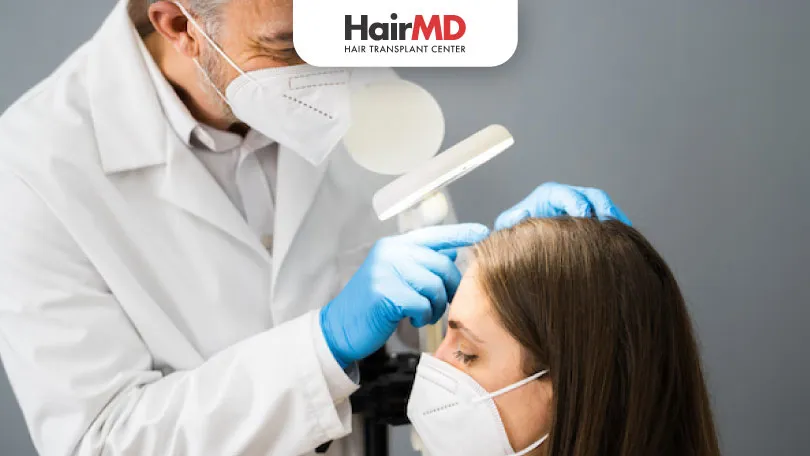
Many causes can disturb the cycle, causing a sudden increase in hair fall counts. Currently, a lot of fingers are pointing towards the coronavirus. The covid-19 pandemic uncovered many things, and it would not be surprising if we noticed it caused hair loss.
What’s covered in the article?
- How is COVID-19 related to hair loss, and is it permanent?
- Reasons behind hair fall after covid.
- Conclusion
COVID-19 can cause hair loss, primarily due to the stress and shock of the illness on the body. This type of hair loss is often referred to as telogen effluvium, where hair prematurely enters the shedding phase. In most cases, the hair loss is temporary and hair growth typically resumes once the underlying condition improves.
However, some individuals may experience prolonged hair thinning or shedding. Recovery can vary from person to person, and consulting a healthcare provider can help address persistent issues.
Reasons behind hair fall after covid.
-
Telogen Effluvium
The first reason for post covid hair loss is the viral illness itself. This phenomenon is called telogen effluvium. Like any severe viral illness, coronavirus infection causes high-grade fever; recovery from fever may cause hair loss. For 2-3 months, you may notice excessive hair loss, which is caused due to hair follicles undergoing dormancy during the illness. Hair shedding is temporary, and hair regrows once the illness is recovered.
-
Stress Hair Loss
Stress may also cause post covid hair loss. This is because when you fall sick, your body starts preserving the essential nutrients for the vital functioning of the body due to low consumption of nutrients. The energy is not wasted on vital functions like hair growth, and thus hair fall occurs. If you have a habit of pulling hair when stressed, then this might also be one of the reasons for hair loss due to covid. Traction alopecia may arise due to mental stress that you are dealing with while facing such an outrageous disease.
-
Medications Causing Hair Loss
Medications may also be the reason behind extreme hair fall after covid. When you fall sick, you start taking medicine without proper consultation. Some drugs may cause hair loss as a side effect and make you lose hair. Medicines for fever may contain drugs that may trigger hair loss.
DO YOU KNOW?
Nearly 250 Patients Visit HairMD
Everyday For Various Hair Concerns
(15+ Years Of Expertise. 4157+ Successful Hair Transplant)
Meet Our Dermatologists





Conclusion
While hair loss may not be a direct symptom of COVID-19, many individuals who have recovered from the infection are experiencing significant hair shedding. This phenomenon, known as Telogen Effluvium, is often triggered by the physical and emotional stress caused by the illness.
However, the good news is that this type of hair loss is typically temporary. With proper care, a healthy diet, and, if needed, professional treatment, hair can regrow over time.
If you are suffering from hair fall after covid infection, do not panic and consult an expert dermatologist at HairMD, Pune. The doctor will help you find the cause and prescribe treatment for less damage.
Further Reading
How to Prevent Hair Loss: The Ultimate Guide
Explore the ultimate guide to preventing hair loss and maintaining healthy, strong hair.
PRP Pre & Post Care Protocol | HairMD Pune
PRP for alopecia areata – what the research says about regrowth, how it compares to other options, and when it may help, from HairMD Pune.
PRP for Alopecia Areata: What Research Says
PRP for alopecia areata – what the research says about regrowth, how it compares to other options, and when it may help, from HairMD Pune.
Do Dermatologists Recommend Inositol and Choline for Hair Loss?
Discover the potential of inositol and choline for hair loss. Learn how these nutrients may benefit follicle health & prevent thinning.
Have thoughts? Please let us know
We are committed not only to treating you, but also educating you.