

17 Important “How To’s” After Hair Transplant: A Scientific Guide by an ISHRS Surgeon


Written by HairMD Content Team | Medically Reviewed by Dr. Dhanraj Chavan On February 28, 2026


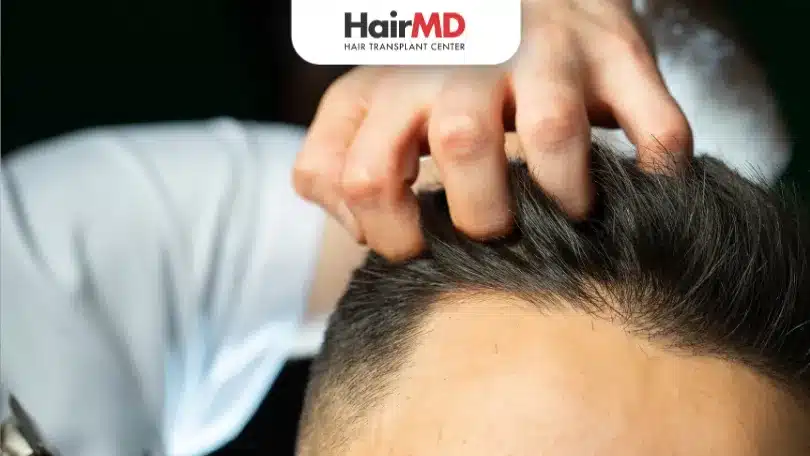
A hair transplant works best when both the surgeon and the patient do their part. The surgery is important, but more than 50% of your final result depends on proper post-operative care.
Small things—like how you wash your hair, how you sleep, and whether you take your medicines regularly—can make a big difference in how well your grafts grow.
This is very important, because saving existing hair along with transplanted hair gives a dense look.
If you protect your natural hair while the new grafts are growing, the overall result will look fuller, thicker, and more natural.
What’s covered in the article?
- Quick Summary
- Immediate Post-Op Care (Days 1–7)
- Managing Symptoms and Side Effects
- Advanced Hygiene & Washing Protocols
- Long-Term Scalp Health & Growth Maximization
- Frequently Asked Questions
Quick Summary
- Critical Phase: The first 14 days post-surgery are when newly implanted grafts “anchor” via fibrin and early vascular connections. Errors here may lead to irreversible loss.
- Scientific Hygiene: Precise, friction-free washing and regular saline spray limit microbial growth, crust formation, and folliculitis risk.
- Postural Science: Sleeping at an angle leverages gravity to shift post-op fluids away from the recipient zone, reducing swelling.
- Addressing the Details: This guide discusses how to clean scabs, hydrate the new scalp, recover both physically and mentally, and more with clinical context.
- Continuous Oversight: Scheduled follow-ups at HairMD use imaging and trichoscopy for early intervention, personalized to your healing biology.
Immediate Post-Op Care (Days 1-7)
1. How to sleep after a hair transplant?
Proper sleep position minimises facial and periorbital swelling due to fluid migration from tumescence (saline injection to lift tissues during surgery).
- Science: Elevate the head at 45 degrees, reducing hydrostatic pressure on facial lymphatics, slowing the descent of fluid to the forehead/eyes.
- Technique: Use multiple (preferably memory foam) pillows or a travel pillow. If you toss and turn, consider a recliner, as horizontal sleeping increases dependent edema.
- Clinical Insight: Patients with pre-existing sinusitis or chronic rhinitis may experience more swelling if horizontal. Adjust sleeping arrangements accordingly.
2. How to prevent dislodging grafts?
For the initial 72 hours, fibrin bonds—not true vascularisation—hold grafts in place. Even light trauma can shear the fragile graft away from the dermal envelope.
- DON’T:
- Rub/press the transplant zone.
- Wear tight clothing over the head; always opt for button-front shirts.
- Lean forward or down abruptly; this increases scalp venous pressure and encourages fluid migration.
- DO:
- Move slowly.
- Use soft hands when addressing any head itch or discomfort.
- Remain vigilant for the first week; awareness is critical.
3. How to cover your head after hair transplant?
Hair follicles are highly sensitive to occlusion and pressure during early healing.
- Optimal Covering: A light, surgical-grade cap that sits loosely, never touching the grafts. Never use wool, thick-knit, or heavy fabrics—these trap humidity, supporting bacterial proliferation and impede gas exchange.
- Sun Protection: For the first 3 months, even after wounds close, moderate direct sun exposure can accentuate redness due to superficial new capillary growth. Use a wide-brimmed hat for outdoor trips; avoid tight helmets until at least 4 weeks or later if healing is slower.
4. How to reduce swelling (edema)?
Edema occurs as plasma and tumescence fluid egress under the pull of gravity. While not dangerous, it is uncomfortable.
- Cold Therapy: Ice packs only on the forehead (never on grafts)—vasoconstrict the superficial vessels, reducing plasma extravasation.
- Sodium Restriction: Sodium elevates plasma osmolality, increasing interstitial edema.
- Hydration: Plasma volume deficits speed up absorption of the fluid.
- Short Bursts of Gentle Movement: Walking increases lymphatic drainage but avoid exertion.
5. How to reduce redness (erythema) in donor and recipient areas?
Redness reflects angiogenic response—the body is forming new capillaries to supply oxygen and nutrients.
- Mitigation:
- Frequent misting with cold, sterile saline—reduces inflammation and maintains a cool microenvironment.
- Avoid heat and UV light. UVA can exacerbate angiogenesis in healing skin.
- Persistent redness beyond 2-3 weeks may indicate irritation, allergy, or infection; follow-up for clinical evaluation and possible mild corticosteroid lotions.
Managing Symptoms and Side Effects
6. How to stop itching after hair transplant?
Histamine release from healing nerves and skin accounts for most post-op itching.
- Preventive Measures:
- Maintain scalp hydration with frequent saline misting (osmolarity similar to extracellular fluid reduces neural irritation).
- Oral Antihistamines: Agents such as Levocetirizine reduce central and peripheral pruritus.
- Never scratch; microtrauma invites infection (e.g., Staphylococcus aureus) and can physically disrupt grafts.
- Clinical Insight: Many patients describe “itch waves” at night . Plan antihistamine dosing at night.
7. How to get rid of numbness after hair transplant?
Small cutaneous nerves are unavoidably transected during microincision or FUE. Recovery mandates axonal regrowth (rate: ~1mm/day).
- Natural Course: Paresthesia (tingling, numbness) generally resolves in 3-6 months; rare cases, up to a year.
- Care Tips:
- Avoid thermal injury (use lukewarm, not hot, water for washing).
- Apply mild, non-occlusive moisturisers to protect anesthetic skin.
- Avoid chemical irritants or dye for several months.
8. How to prevent shock loss after hair transplant?
Shock loss is telogen effluvium of native hair due to surgical trauma or vascular compromise. Transplanted (donor) hair is immune, but existing (native) hair surrounding it is vulnerable.
- Prevention Strategies:
- Pharmacologic Support: Early Minoxidil (if approved) improves follicular survival by upregulating VEGF (vascular endothelial growth factor).
- PRP Therapy: Platelet cytokines promote healing and speed up transition from telogen (resting) to anagen (growth) phase.
- Surgical Precision: At HairMD, we utilize Sapphire blade technology and advanced implanters to reduce collateral microtrauma in the native zone.
9. How to treat a dry scalp post-transplant?
Post-surgical dryness can result from:
- Reduced sebaceous activity while the follicles are healing
- Disruption of the stratum corneum
- Prolonged use of saline or antiseptics
- Hydration Protocol:
- From Day 4-7, apply a clinically recommended non-comedogenic lotion (Aloe vera, hyaluronic acid-based) to donor and surrounding recipient skin, avoiding direct graft contact.
- After 2 weeks, gentle natural oils (coconut, almond in moderation) support barrier restoration—avoid occlusion by not applying thick oils near grafts too soon.
- Clinical Insight: In patients with seborrheic or atopic skin history, moisturisation needs to be prolonged, and a dermatologist’s guidance may be required for steroid-sparing lotions.
Advanced Hygiene & Washing Protocols
10. How to clean the scalp after a hair transplant (first 48 hours)?
Strict no-touch policy is vital in the initial 48 hours, as clotting and earliest revascularization of grafts occur.
- Clinical Practice: Mist with sterile saline every 1–2 hours to maintain a moist environment. Moisture preserves cell membrane integrity and prevents crust formation.
11. How to shampoo after hair transplant?
Proper washing is the most important factor for safe scab removal and infection prevention.
- Starting Day 3–4 (or as directed):
- Mix a mild, sulphate/paraben-free shampoo (pH ~5.5) with lukewarm water; avoid direct undiluted application.
- Pour foam gently over the scalp, letting it soak (2–3 min). The foam emulsifies sebum, dry blood, and debris.
- Rinse with a cup or soft-flow shower, never with pressure.
- Do not rub or massage with fingers until after Day 10–12; friction dislodges fragile grafts.
Clinical Insight: Some patients try to avoid washing, fearing graft loss, but this increases infection risk. Delicate enzymatic softening is required, not harsh scrubbing.
12. How to remove scabs and crusts (including “How to wash scabs after hair transplant”)?
Scabs may block oxygen and nutrients, impair growth, and elevate infection risk.
- Protocol for Scab Removal (Day 10–14):
- Softening: Liberally apply baby oil, mineral oil, or lotion to the area; wait 30–60 minutes for crusts to soften.
- Gentle Massage: With pads of fingers (not nails), make small, circular motions. Increased enzyme and moisture exposure hydrolyzes fibrinous bonds.
- Repeated Washing: It may take several attempts; never forcibly pick off scabs. Patients with thicker or excessive crusts can benefit from a prescription urea-based lotion.
- Science: Prolonged scabbing interrupts oxygen diffusion (required for angiogenesis) to the new follicle bulbs.
13. How to hydrate the scalp (short- and long-term) after Hair Transplant?
Short-term: Saline spray and non-comedogenic moisturisers (as above).
Long-term:
- Weekly pre-wash oiling supports the lipid barrier.
- Post-shower, use a light, fragrance-free hydrating serum as advised.
- Avoid overuse of cosmetic products (hair sprays, gels) for several weeks.
- Monitor for signs of flakiness; adjust hydration routine accordingly.
Long-Term Scalp Health & Growth Maximization
14. How to support hair for sustained growth after a hair transplant?
- Nutritional Science:
- Follicular cell mitosis demands protein (keratin synthesis), zinc, biotin, iron, and B vitamins.
- Ensure dietary intake supports rapid cellular turnover.
- Hydration: Cellular physiology for hair growth functions best at optimal hydration—target water intake at 35–40 ml/kg body weight daily.
- Supplements: We individualize based on pre- and post-operative blood tests (Vitamin D3, Ferritin, etc.). Strictly avoid high-dose biotin without deficiency diagnosis (may mask cardiac signs in lab tests).
- Lifestyle: Avoid smoking, as nicotine induces vasospasm, reducing follicular perfusion; limit alcohol, as it impairs wound healing and increases desiccation.
Supportive Interventions:
- Adjuvant topical minoxidil (after surgeon approval) and PRP boosters for select patients.
- Clinical Imaging: At HairMD Clinic Pune, scheduled digital trichoscopy measures shaft calibre and density—adjustments in care are made scientifically.
15. How to handle physical activity and sweat?
- Low risk in first week: Rest is recommended; activities raising heart rate/blood pressure risk hematoma beneath graft sites.
- Gradual Return: From second week, introduce walking; avoid bending, straining, or exertion for 2–3 weeks.
- Sweat Management: Sweat harbours bacteria and salt, both irritants to the healing scalp; always rinse the area with cool, clean water and dry gently if sweating occurs.
16. How to select the best hair transplant clinic in Pune (Scientific Perspective)?
- Surgeon Qualifications: ISHRS certification is a non-negotiable; ensure you see a doctor-performed, not technician-driven, surgery.
- Transparency: Insist on intraoperative photos/videos and check sterilisation logs.
- Equipment: Look for clinics using advanced technology (Hypothermosol-ATP storage, Sapphire blades, digital trichoscopy).
- Scientific Track Record: Demand to see scientific outcome data, not just “before/after” glamour shots.
- Doctor Engagement: The consulting surgeon should be the operating surgeon. At Our Hair Transplant Clinic, my involvement extends from consultation to final follow-up.
17. How to recover from a hair transplant—mentally & physically?
- Physical Recovery: Expect swelling, mild pain, redness, and possible crusting—all signs of normal healing. Pain is mild; analgesics as prescribed suffice.
- Mental Recovery:
- Understanding the Timeline: Shock loss and even looking “worse before better” are expected.
- Early Follow-Up: We offer rigorous telemedicine and in-clinic review, using video-trichoscopy and clinical photos for reassurance.
- Patient Community: Engage with peer support or group check-ins. Knowing others experience similar recovery curves is comforting.
Ready to take the first step towards correcting your hair transplant?
Book a private consultation at HairMD in Pune or Pimpri Chinchwad. Let’s discuss your case and build a strategy to achieve the natural result you always wanted.
Frequently Asked Questions
Q: When can I wear a helmet after a hair transplant?
A: Minimum 3 weeks, but longer if healing is slow. Helmet use introduces shear, occlusion, sweat, and potential infection; always err on the side of caution.
Q: Can I smoke or drink alcohol after the surgery?
A: Strictly avoid for at least 2–3 weeks. Both nicotine and alcohol reduce tissue oxygenation and impact graft survival, as proven in numerous clinical studies.
Q: How to manage excessive, persistent scabbing?
A: Soften with clinical-grade emollients, extend soaking times, and escalate care to your clinic (sometimes gentle, in-clinic lavage is performed with medical instruments for resistant scabs).
Q: Is it normal to have pimples in the recipient area after 2 months?
A: Yes, folliculitis or eruptive cysts are common as new hairs emerge. Warm compresses, topical antibiotic creams or guided minor extractions in-clinic resolve the majority of such events.
Q: How to hydrate the scalp after transplant if you have a history of dandruff or eczema?
A: Continue scalp hydration as described, but consult your clinic regarding non-steroidal barrier repair creams and possible mild, fragrance-free anti-inflammatory treatments under supervision.
Q: What is the scientific way to recover from a hair transplant for best results?
A: Pair disciplined care with healthy nutrition, scheduled follow-ups, and adaptation of topical agents as per response—ideally under a trichologist’s or ISHRS surgeon’s guidance.
DO YOU KNOW?
Nearly 250 Patients Visit HairMD
Everyday For Various Hair Concerns
(15+ Years Of Expertise. 4157+ Successful Hair Transplant)
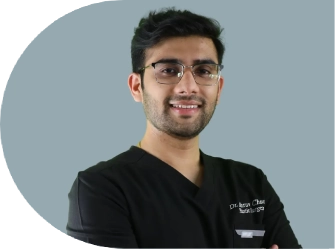
Meet Our Dermatologists

Why Choose HairMD for Your Body Hair Transplant?
A superior transplant result is built on scientific precision and meticulous, daily discipline. Every protocol shared above is evidence-based and derived from thousands of successful cases at HairMD, Pune. There is no hack, shortcut, or substitute for proven care. Remember: good roots thrive in good soil and with patient, informed stewardship.
If you need tailored aftercare, have a suboptimal result elsewhere, or simply wish to plan your own restoration journey, my team and I are ready for a scientific, data-driven conversation that puts your results first.
Ready to begin or optimise your restoration journey?
Book a comprehensive consultation at HairMD in Pune or Pimpri Chinchwad. Let’s blueprint your success, scientifically.
Further Reading
Does Cold Water Really Help Your Hair? Separating Fact From Myth
You’ve heard that rinsing with cold water makes hair shinier and stronger.
What Should I Do About Dandruff and Scalp Issues?
Dandruff, seborrheic dermatitis, scalp psoriasis, and dry scalp, they look similar but need different treatments. HairMD dermatologists explain how to identify each and what actually works.
Does Heat Damage Really Ruin Your Hair? The Science Explained
Yes, heat damage is real, and mostly permanent. HairMD explains exactly how heat ruins hair at the structural level, at what temperatures damage occurs, and how to minimise it without giving up styling.
How to Get Healthier Hair Without Expensive Treatments?
You don’t need expensive salon treatments for healthier hair. HairMD dermatologists explain what actually improves hair health, from diet and scalp care to habits that protect hair from daily damage.
Have thoughts? Please let us know
We are committed not only to treating you, but also educating you.