

The Link Between Study Stress and Hair Loss: What You Need to Know


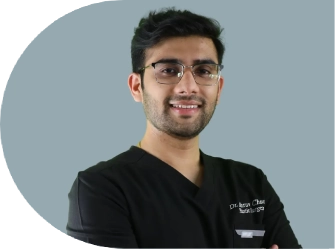
Written by HairMD Content Team | Medically Reviewed by Dr. Dhanraj Chavan On February 23, 2024


What’s covered in the article?
- What is Hair Loss?
- Is there Hair Loss Due to Stress and Anxiety?
- How to Treat Stress Hair Loss?
- Conclusion
What is Hair Loss?
Every day we shed 50-100 hair strands from hair follicles as a part of the natural hair growth cycle comprising; growth, rest and fall phases. Hair fall replaces dull and brittle hair with new hair. While hair loss is a condition where more than these hair strands fall out regularly with no signs of regrowth. Hair loss may occur due to many external and internal factors that tend to disturb the cycle. Some hair loss conditions can be reversed while some others can only be slowed down.
Is there Hair Loss Due to Stress and Anxiety?
One of the factors causing hair loss is stress and anxiety. Yes, study stress and anxiety may lead to the following types of hair loss conditions-
- Alopecia Areata
Severe academic stress can lead to triggering of this autoimmune disorder where the immune system of the body attacks the hair follicles and leads to excessive hair fall.
- Trichotillomania
Pulling hair while under stress makes hair weaker and easy to fall. Pulling your hair can even lead to baldness which may be patchy and hair strands will be of different lengths.
- Hair Loss Due to Malnutrition
Stress hair loss can occur due to malnutrition. The digestive system during stress can lead to poor absorption of nutrients. Lack of nutrients like iron, zinc, vitamins and proteins causes thinning of hair and then hair loss.
- Hair Loss Due to Poor Lifestyle
Lack of sleep, bad habits like late-night studying and lack of physical activity may also lead to hair loss.
How to Treat Stress Hair Loss?

Hair loss due to academic stress is reversible and can be treated by-
- Work on Lifestyle
Sleeping on time by following a proper study schedule can help reduce stress. You must follow a proper lifestyle to keep academic stress at bay.
- Take a Proper Diet
Consumption of a proper diet containing all the necessary nutrients is very important in teenagers and adults for proper hair growth and overall development.
- Manage Stress
You must work on managing your stress by getting involved in co-curricular activities, yoga, meditation or any activity of your choice.
DO YOU KNOW?
Nearly 250 Patients Visit HairMD
Everyday For Various Hair Concerns
(15+ Years Of Expertise. 4157+ Successful Hair Transplant)
Meet Our Dermatologists

Conclusion
Further Reading
How to Prevent Hair Loss: The Ultimate Guide
Explore the ultimate guide to preventing hair loss and maintaining healthy, strong hair.
PRP Pre & Post Care Protocol | HairMD Pune
PRP for alopecia areata – what the research says about regrowth, how it compares to other options, and when it may help, from HairMD Pune.
PRP for Alopecia Areata: What Research Says
PRP for alopecia areata – what the research says about regrowth, how it compares to other options, and when it may help, from HairMD Pune.
Do Dermatologists Recommend Inositol and Choline for Hair Loss?
Discover the potential of inositol and choline for hair loss. Learn how these nutrients may benefit follicle health & prevent thinning.
Have thoughts? Please let us know
We are committed not only to treating you, but also educating you.