

Zinc Deficiency Causes Hair Loss. Know Why!


Written by HairMD Content Team | Medically Reviewed by Dr. Dhanraj Chavan On August 24, 2024


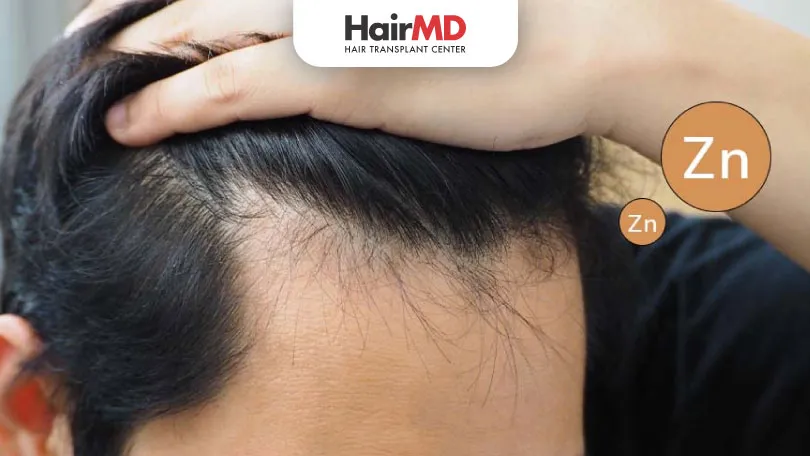
Hair loss has become a common problem nowadays, faced by many at various stages of life. Hair loss is a permanent loss of hair with no signs of regrowth this hair condition may rise due to disturbance in the normal hair growth cycle. The normal hair growth cycle comprises three states growth, rest and fall. Usually, you lose 50-100 strands of hair from follicles each day; if that count rises and goes up to 125, then it’s time to look for causes of hair loss.
Many external and internal factors can cause hair fall and baldness, one factor being zinc. Continue with the blog to learn more about hair loss due to this micronutrient called zinc.
What’s covered in the article?
- What is Zinc?
- Benefits of Zinc
- Signs and Symptoms of Zinc Deficiency
- Does Zinc Deficiency Causes Hair Loss?
- How to Treat Zinc Hair Loss?
- Conclusion
What is Zinc?
Zinc is one of the trace elements that is required by our body in small amounts for proper growth. Zinc helps carry out a lot of biological processes, including proper functioning of the immune system, DNA and RNA synthesis, protein synthesis, production of hormones, absorption of vitamins and minerals and cell repair and growth. When the amount of zinc in the body reduces, vitamin A and D deficiency rise side by side.
Benefits of Zinc
Below are the benefits of zinc for hair loss:
Hair Growth
Promote hair growth by facilitating hair follicle cell division and reducing the activity of the DHT hormone that halts growth.
Enhance Immune System
The immune system is enhanced to the optimum by zinc.
Helps in Cell Division
RNA and DNA synthesis are possible due to zinc, which facilitates hair follicle cell division leading to growth.
Promote Wound Healing
Cell division properties in zinc promote the growth of cells and heal the wound.
Proper Growth and Development
The small quantities of the nutrient facilitate proper growth of the body.
Signs and Symptoms of Zinc Deficiency
Zinc is available in a lot of dietary sources, and thus frank deficiency is not commonly seen. But alcoholics, pregnant women, and people with sickle cell anaemia or gastrointestinal diseases may show zinc deficiency or low levels of zinc. Following are some signs which suggest low levels of zinc –
Loss of Appetite
You feel like you are full, and your interest in having a meal reduces.
Poor Immune System
The immune system gets highly affected as zinc plays a vital role in maintaining it.
Hair Loss
Due to improper maintenance and production of hormones, hair loss occurs.
Night Blindness
Due to zinc deficiency, vitamin A and D deficiency also transpire, leading to night blindness.
Delayed Growth
As the trace element is not sufficiently supplied, the growth gets delayed.
Does Zinc Deficiency Causes Hair Loss?
Zinc works as a 5-alpha reductase inhibitor which inhibits the action of DHT or dihydrotestosterone. DHT is an androgen hormone present in both males and females, the action of which can cause pattern hair loss. Zinc is also responsible for the proper functioning of the immune system, and deficiency of which can also cause alopecia areata, which is an autoimmune disorder.
How to Treat Zinc Hair Loss?
Zinc can alter the progression of telogen effluvium, alopecia areata and pattern baldness. Below are the ways to treat zinc deficiency and hair loss.
Diet Containing Zinc
A diet containing red meat, poultry, liver, prawns, egg yolks, soy products and wheat is rich in zinc and can help in restoring zinc levels and treating zinc hair loss.
Zinc Supplements
Consumption of 8-11mg of the nutrient in the form of a supplement can help prevent hair loss.
Medications
Minoxidil and finasteride are common medications prescribed for hair loss and thus can also help in hair loss due to zinc deficiency.
If you are suffering from excessive hair loss, then book an appointment with an expert dermatologist at your earliest. A dermatologist can help you find the exact cause of your hair loss and guide you towards proper management.
DO YOU KNOW?
Nearly 250 Patients Visit HairMD
Everyday For Various Hair Concerns
(20+ Years Of Expertise. 4157+ Successful Hair Transplant at HairMD)
Meet Our Dermatologists





Conclusion
In conclusion, zinc plays a crucial role in hair growth and overall health. Zinc deficiency can lead to hair loss, but with the right diet, supplements, and medications, this issue can be managed effectively. If you’re experiencing excessive hair loss, it’s essential to consult a dermatologist to identify the cause and get personalized treatment. Taking prompt action can help restore your hair and boost your confidence!
Further Reading
How to Prevent Hair Loss: The Ultimate Guide
Explore the ultimate guide to preventing hair loss and maintaining healthy, strong hair.
Do Dermatologists Recommend Inositol and Choline for Hair Loss?
Discover the potential of inositol and choline for hair loss. Learn how these nutrients may benefit follicle health & prevent thinning.
Finding the Right Doctor for Hair Loss Solutions
Searching for What Kind of Doctor Treats Hair Loss? Learn how dermatologists at Hairmd diagnose the cause & offer proven treatments for hair thinning.
Stop Hair Thinning: Best Practices for Hair Loss Control
Discover effective tips to stop hair fall and boost hair growth with simple lifestyle changes, proper hair care routines, and proven treatments. Boost hair health with HairMD.
Have thoughts? Please let us know
We are committed not only to treating you, but also educating you.