

Essential Questions to Ask Your Hair Loss Doctor for Effective Treatment


Written by HairMD Content Team | Medically Reviewed by Dr. Dhanraj Chavan On July 26, 2021


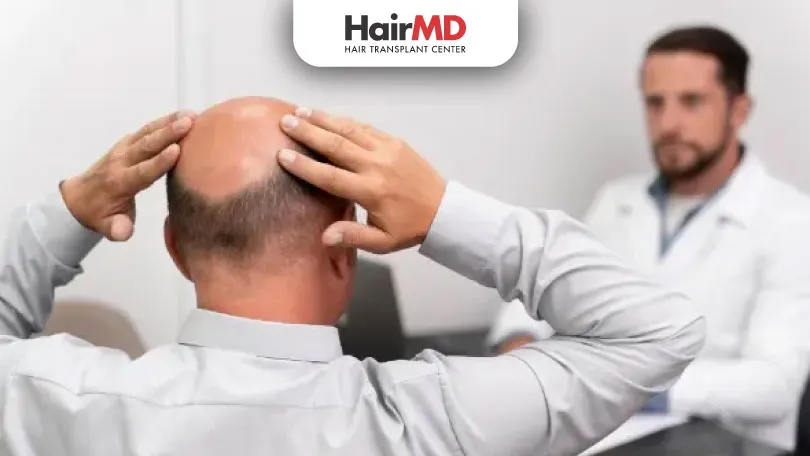
It is a good idea to prepare a list of questions to ask your dermatologist before your appointment, so you don’t forget anything. These questions about your hair loss problems and treatments can assist you in obtaining information and make better decisions about your hair loss treatment.
Hair loss is an infuriating and troubling experience for both men and women. Fortunately, your dermatologist can assist you in determining what is causing your hair loss and how to treat it.
Following are a few questions about hair loss that you need to ask your dermatologist.
What’s covered in the article?
- Q1. Will my hair regrow again?
- Q2. Is it necessary for me to have blood tests?
- Q3. What do you think is the cause of my hair loss?
- Q4. Is my current diet, nutrition, or body weight causing a problem with my hair?
- Q5. Any changes in my lifestyle and hair care that I can do to aid my treatment?
- Conclusion
Q1. Will my hair regrow again?
Often, hair will regrow on its own, especially if your hair loss is caused by stress from a specific life event or a short-term illness. However, hair loss may be permanent in other cases and worsen over time. Your dermatologist will provide you with a realistic assessment of what to expect so that you can make an informed decision about how to proceed with treatments.
Q2. Is it necessary for me to have blood tests?
The doctor might ask for a few blood tests to get to the root cause of your hair loss. Hair loss can be caused due to multiple factors like nutritional deficiencies, hormonal imbalances, underlying illnesses etc. which can be detected on blood reports.
Q3. What do you think is the cause of my hair loss?
This is probably the question you’re most interested in hearing the answer to. Various factors, including stress, hormonal imbalances, genetic composition, medicines etc can cause hair loss. Your dermatologist will ask you a series of questions to determine the cause of your hair loss. Your responses will provide them with information about what is wrong with your hair.
Q4. Is my current diet, nutrition, or body weight causing a problem with my hair?
It is important to inquire whether one’s diet is deficient in any specific nutrients (for example, vegans and the possibility of low vitamin B12 levels) or whether low body weight is causing impaired hair growth.
Q5. Any changes in my lifestyle and hair care that I can do to aid my treatment?
Lifestyle habits and hair care routines can play an important role by helping your hair loss treatment. Good sleep, a balanced diet and moderate exercise are all essential in maintaining health and body functions. Similarly, taking care of your hair, avoiding harsh chemical treatments and excessive styling products can also help in strengthening your hair and reducing hair fall.
DO YOU KNOW?
Nearly 250 Patients Visit HairMD
Everyday For Various Hair Concerns
(15+ Years Of Expertise. 4157+ Successful Hair Transplant)
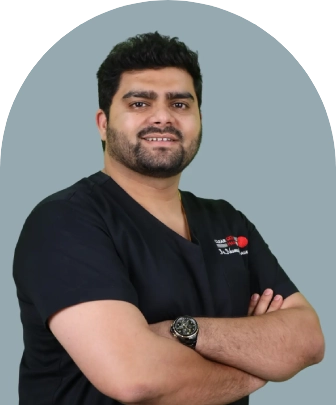
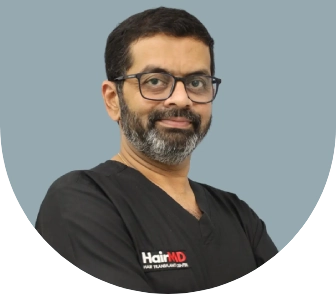
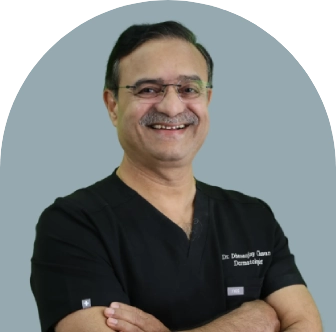
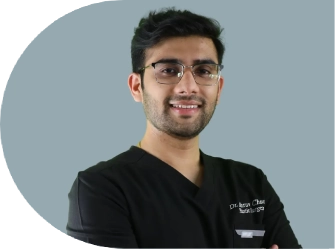
Meet Our Dermatologists

Conclusion
In conclusion, preparing the right questions before your consultation can greatly enhance your understanding of hair loss treatments and help you make informed decisions. Asking about the causes, potential treatments, and necessary lifestyle changes can clarify the steps for managing hair loss effectively. Partnering with a knowledgeable trichologist ensures a personalized approach to your hair care needs, providing a clearer path to regrowth, and overall hair health.
Hair Loss treatment can be a long and confusing journey. Our expert trichologists at HairMD can help. We use modern diagnostics and cutting edge technology to provide you with a personalized hair loss treatment plan. Contact us today for more information
Further Reading
Can Thin Hair Become Thick Again?
There are two completely different types of thin hair , only one can get thicker. HairMD dermatologists explain which type you have and what treatment actually produces results. Honest, not false promises.
Seborrheic Dermatitis on Scalp: Causes, Symptoms and Treatment
Seborrheic dermatitis keeps returning because it is a chronic yeast-driven condition, not simple dandruff. HairMD dermatologists explain the difference and the treatment protocol that controls it long-term.
Top Hair Growth Treatments for Women: Your Ultimate Guide
Most articles list treatments without asking why your hair is falling. HairMD dermatologists explain which treatment matches which cause , the single factor that determines whether you get results.
Hair Fall: How Much Is Too Much?
50–100 strands per day is the guideline. But how do you actually tell if YOUR hair fall is normal? HairMD dermatologists give you practical home tests and specific warning signs to assess your situation.
Have thoughts? Please let us know
We are committed not only to treating you, but also educating you.