

Female Hair Transplant in Pune – What You Need to Know


Written by HairMD Content Team | Medically Reviewed by Dr. Dhanraj Chavan On February 13, 2026


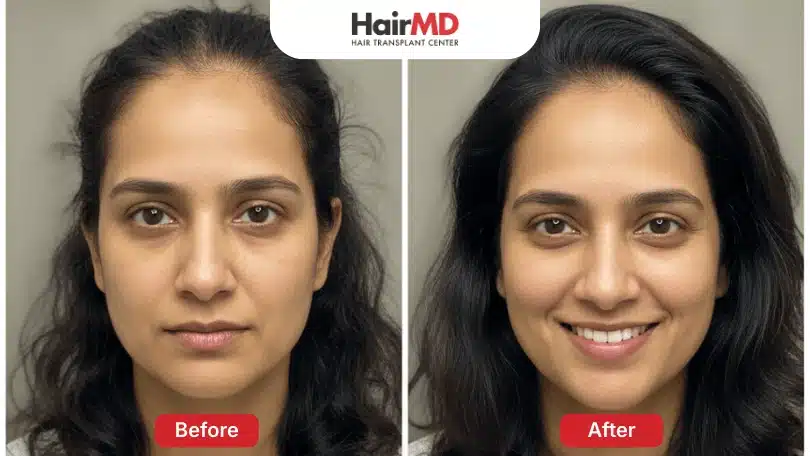
Female hair transplant is a surgical procedure that relocates healthy hair follicles from donor areas to thinning regions of the scalp. The Follicular Unit Extraction (FUE) technique extracts individual follicles using micro-punch instruments without removing scalp strips.
This procedure is designed for women experiencing female pattern hair loss (FPHL), diffuse thinning, or permanent hair loss conditions. Women with adequate donor hair density at the back and sides of the scalp typically make ideal candidates.
FUE hair transplant works by extracting follicular units from the stable donor zone where hair is genetically resistant to thinning. These follicles are then carefully implanted into the recipient areas on the top of the scalp or along the part line. The transplanted hair follows natural growth patterns and angles specific to female aesthetics.
HairMD India Pune uses advanced FUE technology that allows minimal to no shaving of the donor area for women. Recovery typically requires 2-5 days before returning to normal activities with complete scab healing within 7-10 days. Success rates reach 98.32% when performed by experienced hair transplant surgeons who follow proper surgical protocols and patients adhere to post-operative care instructions.
What’s covered in the article?
- Key Facts About Female Hair Transplant at HairMD India Pune
- Key Takeaways
- Understanding Female Hair Loss
- Female Hair Transplant: Complete Overview
- The FUE Hair Transplant Process for Women at HairMD Pune
- Who is the Ideal Candidate for Female Hair Transplant?
- Recovery Timeline and What to Expect
- Dr. Sachin Pawar: Female Hair Transplant Specialist in Pune
- Cost of Female Hair Transplant in Pune
- Common Concerns Women Have About Hair Transplant
- Alternative and Complementary Treatments
- Frequently Asked Questions About Female Hair Transplant
- External Recognition & Patient Verification
- Conclusion
Key Facts About Female Hair Transplant at HairMD India Pune
Summary Box:
- HairMD India Pune uses FUE technique for female hair transplant with minimal donor area shaving.
- Female hair transplant typically requires 1,200-2,000 grafts depending on individual thinning patterns and density goals.
- Dr. Sachin Pawar has performed 2,600+ hair transplants with 20+ years of surgical experience exclusively focused on hair restoration.
- Recovery involves 2-5 days downtime with scab healing complete within 7-10 days after surgery.
- Success rates reach 98.32% when performed by experienced surgeons with proper aftercare adherence and post-operative protocols.
- Final results become visible 12-18 months post-surgery as transplanted hair completes natural growth cycles and achieves full density.
- Women maintain their hairstyle with no-shave or partial-shave FUE options available for maximum discretion during recovery.
Key Takeaways
- Female hair transplant restores density in thinning areas while preserving your natural hairline and feminine aesthetic
- FUE technique at HairMD Pune offers discrete recovery with minimal visible scarring and faster return to normal activities
- Women typically see significant improvement in hair volume and thickness within 12-18 months of the procedure
- Dr. Sachin Pawar specializes in female-specific hair restoration patterns, ensuring natural-looking results that blend seamlessly with existing hair
Understanding Female Hair Loss
Hair loss affects approximately 30% of women by age 30, yet it remains less discussed than male pattern baldness. Understanding how female hair loss differs from male patterns is crucial when considering restoration options.
How Female Hair Loss Differs from Male Pattern Baldness
Female pattern hair loss presents as diffuse thinning across the top and crown of the scalp rather than a receding hairline. Women typically maintain their frontal hairline while experiencing gradual density reduction throughout the central scalp region. This pattern creates a widening part line and overall volume loss.
The Ludwig Scale classifies female pattern hair loss into three types. Type 1 shows minimal thinning with slight widening of the center part. Type 2 demonstrates moderate thinning with noticeable scalp visibility through the part. Type 3 represents extensive thinning across the top of the scalp with significant density loss.
Unlike men who often develop distinct bald patches, women experience more subtle and widespread thinning. This difference requires specialized surgical planning and aesthetic considerations during hair transplant procedures. Learn more about causes of hair loss in women to understand your specific pattern.
| Characteristic | Female Pattern Hair Loss | Male Pattern Baldness |
|---|---|---|
| Pattern of Hair Loss | Diffuse thinning over the crown area with progressive widening of central part line | Receding hairline (M-shaped pattern) and vertex baldness with distinct bald patches |
| Frontal Hairline | Usually preserved throughout; hairline remains intact even with significant crown thinning | Commonly recedes forming M-shape or complete frontal recession in advanced stages |
| Onset Timing | Gradual progression, often accelerating after puberty, pregnancy, or menopause transitions | Can begin as early as late teens to early twenties in men with genetic predisposition |
| Hormonal Influence | Less androgen-dependent; often influenced by estrogen decline, thyroid changes, and metabolic factors | Strongly androgen-dependent, specifically dihydrotestosterone (DHT) causing follicle miniaturization |
| Extent of Baldness | Rarely progresses to complete baldness; women typically maintain some density even in advanced stages | Can progress to extensive or total baldness following Norwood-Hamilton patterns (NW 6-7) |
| Donor Area Quality | Donor area at back and sides usually well-preserved with consistent density throughout | Donor area clearly defined and stable, providing reliable source of permanent follicles |
| Hair Miniaturization Pattern |
More diffuse miniaturization affecting wider scalp areas with variable hair thickness | Localized miniaturization concentrated in frontal hairline and vertex areas specifically |
| Classification Systems |
Ludwig Scale (Types 1-3) or Sinclair Scale (5-point system) for female-specific patterns | Norwood-Hamilton Scale (Stages 1-7) with defined progression patterns for male baldness |
| Psychological Impact |
Often causes greater emotional distress due to social expectations and femininity associations | More socially accepted and normalized, though still causes personal confidence concerns |
| Hair Transplant Outcomes |
Results focus on subtle density improvement and part-line restoration with natural blending | Results are more dramatic with defined hairline creation and significant coverage changes |
Common Causes of Female Hair Loss
Female hair loss results from various medical, hormonal, nutritional, and environmental factors. Understanding the specific cause is essential for determining appropriate treatment and whether hair transplant surgery is suitable.
Complete Overview of Female Hair Loss Causes
| Cause | Description & Mechanism | Key Characteristics |
|---|---|---|
| Female Pattern Hair Loss (FPHL) | Androgenetic alopecia resulting from genetic predisposition and hormonal influences | Affects 50% of women at some point; follows Ludwig Scale pattern; diffuse thinning across crown with widening part line; typically begins in 40s-50s but can start earlier |
| Telogen Effluvium | Temporary hair shedding triggered by stress, illness, or hormonal changes causing follicles to enter resting phase | Post-pregnancy shedding 2-6 months after childbirth; triggered by severe illness, high fever, surgery, or emotional stress; resolves within 6-12 months once trigger is addressed |
| Nutritional Deficiencies | Insufficient essential nutrients impair hair follicle function and growth cycles | Iron deficiency (anemia) most common; vitamin D, zinc, biotin, and protein deficiencies contribute; blood tests identify specific deficiencies requiring supplementation |
| Hormonal Disorders | Imbalances in thyroid, androgen, or estrogen levels disrupt normal hair growth | PCOS elevates androgens causing scalp thinning; hypothyroidism and hyperthyroidism trigger shedding; menopause accelerates thinning through hormonal shifts |
| Traction Alopecia | Mechanical damage from years of tight hairstyles pulling on hair follicles | Affects hairline and temple areas first; caused by tight ponytails, braids, buns, and hair extensions; early recognition and hairstyle changes prevent permanent damage |
| Scalp Diseases & Infections | Inflammatory or infectious conditions damage hair follicles when left untreated | Seborrheic dermatitis, scalp psoriasis, fungal infections (tinea capitis); lichen planopilaris and frontal fibrosing alopecia cause scarring and permanent follicle destruction |
| Drug-Induced Hair Loss |
Medications trigger shedding as side effect by disrupting hair growth cycles | Chemotherapy causes temporary but complete loss; blood thinners, beta-blockers, antidepressants, high-dose vitamin A trigger shedding; most cases reverse after medication adjustment |
| Systemic Illnesses |
Chronic diseases cause body to prioritize vital functions over hair production | Chronic kidney disease, liver disease, autoimmune disorders like lupus; severe infections and COVID-19 trigger telogen effluvium; managing underlying illness improves hair health |
According to the International Society of Hair Restoration Surgery (ISHRS), identifying the specific cause of hair loss is essential before considering surgical restoration. Some causes require medical treatment first, while others respond best to hair transplant combined with ongoing management. Understanding medical conditions behind hair loss in women helps identify your specific cause.
When to Consider Hair Transplant vs Other Treatments
Hair transplant in females is considered for stable, localized hair loss with preserved donor area after exclusion of reversible causes. This systematic approach ensures surgical intervention occurs only when appropriate and likely to succeed.
Exclusion of reversible causes is mandatory before considering hair transplant.
Reversible causes include nutritional deficiencies (iron, vitamin D, zinc), thyroid disorders, telogen effluvium, drug-induced hair loss, and treatable scalp infections. Blood tests and medical evaluation identify these correctable conditions. Treating reversible causes can restore hair naturally without surgery, making this initial step essential.
Localized hair loss patterns respond best to hair transplant surgery.
Localized loss means thinning concentrated in specific areas like the crown, part line, or frontal zone while maintaining adequate density elsewhere. Women with well-defined thinning patterns and realistic expectations make ideal candidates for surgical restoration. Hair transplant restores density in these specific areas using follicles from preserved regions.
Widespread diffuse thinning across the entire scalp is not ideal for transplant.
When thinning affects all areas uniformly without localized patterns, insufficient contrast exists between donor and recipient areas. Diffuse thinning throughout the scalp often indicates ongoing systemic causes requiring medical management rather than surgical intervention.
Stable hair loss is essential before surgical planning.
Your thinning should have reached a predictable pattern rather than actively progressing rapidly. Stability typically requires 12-18 months of consistent pattern observation. This stability ensures transplanted hair maintains long-term results without surrounding areas continuing to thin dramatically.
Preserved donor area with adequate density is mandatory.
The back and sides of your scalp must have sufficient healthy follicles available for relocation. Women with adequate donor density and stable loss in localized areas typically make excellent candidates for hair transplant surgery.
Other treatments should be explored first for early-stage thinning or temporary hair loss. PRP (Platelet-Rich Plasma) therapy stimulates existing follicles and can slow progression. Mesotherapy delivers growth factors directly to the scalp. Topical minoxidil helps some women maintain density when used consistently. These non-surgical options address early thinning or support surgical results.
Combination approaches often produce optimal results. Many women benefit from hair transplant to restore density in severely thinned localized areas while using medical treatments to protect remaining native hair. Dr. Sachin Pawar evaluates each patient’s unique situation to recommend the most effective treatment plan, whether surgical, non-surgical, or combined. Review clinical treatments for hair loss to understand all available options.
According to the International Society of Hair Restoration Surgery (ISHRS), women now represent 15.3% of all hair transplant patients globally, reflecting growing awareness of surgical options for female hair loss.
Female Hair Transplant: Complete Overview
Female hair transplant surgically relocates healthy follicles from the back and sides of the scalp to areas experiencing thinning or hair loss. HairMD India Pune uses FUE (Follicular Unit Extraction) technique specifically adapted for women’s unique aesthetic needs and recovery preferences.
Key Treatment Attributes Table
| Treatment Attribute | Details for Female Hair Transplant at HairMD Pune |
|---|---|
| Treatment Duration | 4-8 hours depending on graft count (typically 1,200-2,000 grafts for women) |
| Technology/Device Used | FUE (Follicular Unit Extraction) with micro-punch instruments for minimal scarring and no linear scar |
| Recovery Time | 2-5 days return to work, 7-10 days scab healing, full recovery 2-3 weeks with minimal restrictions |
| Success Rate | 98.32% graft survival with experienced surgeon and proper aftercare adherence following post-operative protocols |
| Ideal Candidates | Women with female pattern hair loss, stable donor areas, realistic expectations, generally age 25+ when loss stabilizes |
| Sessions Required | Typically 1 session; optional 2nd session after 12+ months for additional density enhancement if desired |
Why Women Choose FUE Over FUT
FUE hair transplant offers significant advantages for women compared to the older FUT (strip) method. Women consistently choose FUE for five key reasons that address both medical outcomes and aesthetic concerns.
5 Key Advantages of FUE for Women:
- No visible scar – FUE creates only tiny dot scars less than 1mm in diameter instead of a long linear strip scar on the back of the head. These microscopic marks remain easily hidden by surrounding hair, allowing you to wear any hairstyle confidently including updos and very short cuts.
- Faster recovery – Healing occurs significantly quicker with FUE compared to FUT. Most women experience minimal discomfort after the first few days. The absence of a surgical incision means you can return to normal activities within 2-5 days with much less post-operative pain.
- Better cosmetic appearance – The donor area maintains a neat, natural appearance even with short hairstyles. Without a linear scar, you have complete styling freedom. Women who wear their hair long or in updos particularly appreciate this flexibility for life.
- Minimal shaving required – Only small concealed donor areas need trimming, which longer hair easily covers. HairMD Pune offers no-shave techniques where trimming remains hidden completely. This discretion allows women to maintain their appearance throughout recovery without obvious signs of surgery.
- Lower risk of complications – FUE involves no stitches, reduced scalp tension, and fewer wound healing problems compared to FUT. The absence of a strip excision means less tissue trauma, lower infection risk, and decreased chances of wound dehiscence or delayed healing. This safer profile makes FUE the preferred choice for women.
Women who wear their hair long or in updos appreciate FUE’s flexibility. Without a linear scar, you can confidently style your hair any way you choose, including very short cuts if desired in the future. The ISHRS comparison of FUE and FUT techniques provides detailed information on both methods and their outcomes.
Female-Specific Considerations in Hair Transplant
Female hair restoration requires different surgical planning than male procedures. Hairline design follows softer, rounded contours rather than angular patterns typical in men. The goal is maintaining natural femininity while restoring density.
Women focus on density restoration rather than hairline creation since most retain their frontal hairline despite experiencing thinning. The surgical plan targets the top of the scalp, crown area, and part line where diffuse thinning occurs most visibly.
Part-line reconstruction demands exceptional precision. Women naturally have a directional split where hair parts, and recreating this accurately ensures the transplant blends seamlessly with existing hair. Incorrect part-line placement creates unnatural appearances that reveal the transplant.
Careful donor area management prevents visible thinning in women who already have more diffuse hair loss patterns. The surgeon must extract grafts strategically to avoid creating noticeable gaps in areas that may already be somewhat thin. Research published in medical journals on female hair transplant aesthetic outcomes emphasizes these unique considerations.
The FUE Hair Transplant Process for Women at HairMD Pune
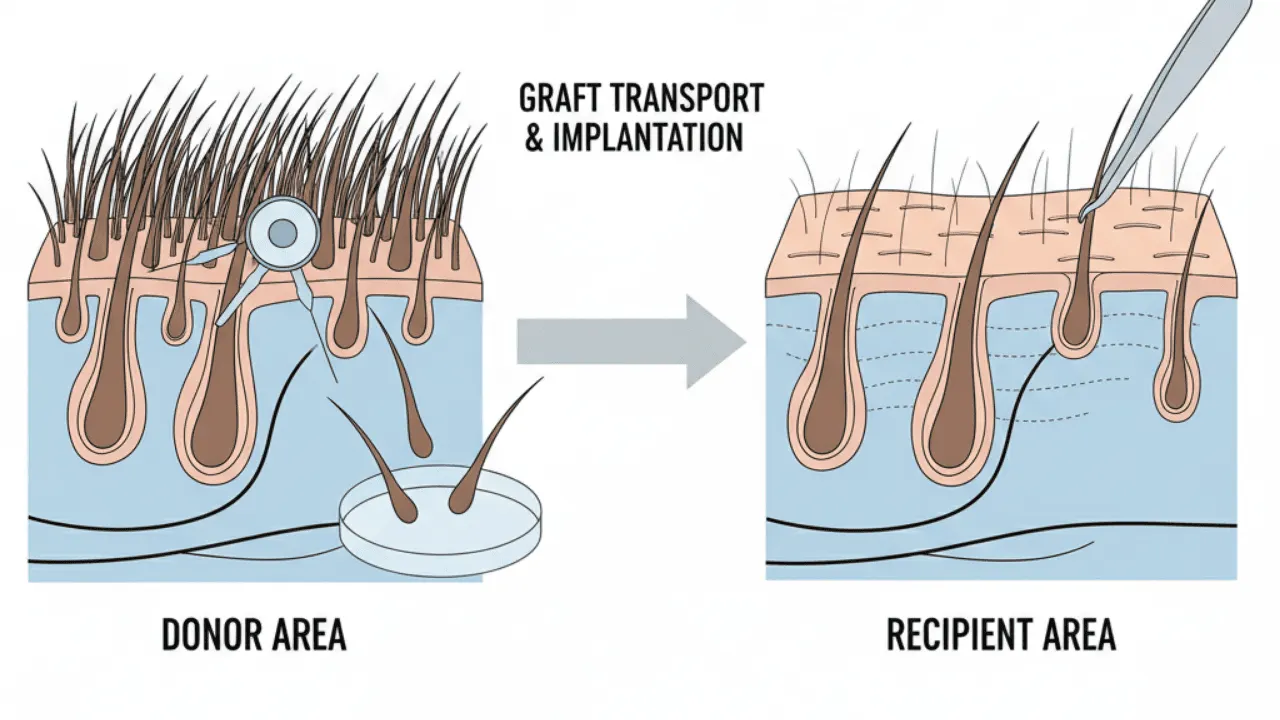
Understanding what happens before, during, and after your procedure helps you feel confident and prepared. HairMD India Pune follows a comprehensive protocol ensuring optimal results and comfortable experience.
Before Your Procedure – Consultation with Dr. Sachin Pawar
Your journey begins with a thorough consultation where Dr. Sachin Pawar evaluates your scalp condition, hair loss pattern, and donor area viability. This assessment includes examining hair density, scalp laxity, and the stability of your hair loss pattern.
During consultation, you’ll discuss your aesthetic goals and desired outcomes. Dr. Pawar provides realistic expectations about achievable density and the number of grafts needed to reach your goals. This honest communication ensures you understand what hair transplant can and cannot accomplish.
Medical history review covers hormones, medications, underlying health conditions, and previous treatments you’ve tried. Certain medications may need adjustment before surgery. Women with hormonal imbalances benefit from addressing these issues alongside surgical planning.
Dr. Pawar creates a customized treatment plan specific to your hair loss pattern, donor availability, and aesthetic preferences. This plan includes graft count estimates, procedure timeline, and discussion of no-shave options if discretion is your priority. Review essential questions to ask your hair loss doctor before your consultation.
During the Procedure – What to Expect
Understanding what happens during your hair transplant helps you feel confident and prepared. HairMD India Pune follows a comprehensive surgical protocol ensuring optimal results and comfortable experience throughout the 4-8 hour procedure.
Anesthesia and Comfort
On procedure day, you’ll receive local anesthesia to numb both the donor and recipient areas. This ensures comfort throughout the surgery while allowing you to remain awake and communicate with the surgical team. Most women report feeling minimal to no discomfort during the procedure. You remain comfortable throughout and can take breaks as needed.
The HairMD Surgical Team Approach
HairMD India uses a specialized team approach with 10-12 skilled professionals working simultaneously during your procedure. This multi-member surgical team includes specialized technicians for graft extraction, graft preparation, recipient site creation, and implantation. The coordinated team approach significantly reduces procedure time while maintaining precision at every step. This sophisticated system explains why HairMD achieves consistently superior results – multiple hands working in perfect coordination under Dr. Sachin Pawar’s supervision ensures efficiency without compromising quality.
Donor Area Preparation and Shaving Options
Donor area preparation involves discussion of shaving options specific to your needs. HairMD Pune offers no-shave techniques where only a small concealed area is trimmed, or partial shaving that remains hidden by your longer hair. This preserves your appearance during recovery and allows you to maintain normal social and professional activities without obvious signs of surgery.
Follicle Extraction Process
Individual follicle extraction uses micro-punch instruments typically 0.8-1.0mm in diameter. Dr. Pawar and his extraction team extract follicles one by one from the donor zone, carefully selecting grafts with optimal characteristics for your restoration. This meticulous process preserves donor area appearance while harvesting high-quality grafts. The team works systematically across the donor zone to prevent over-harvesting any single area.
Graft Preparation and Sorting
Once extracted, grafts are immediately transferred to the preparation team who work under stereo-microscopes. Each follicular unit is carefully prepared and sorted by size – single-hair grafts, double-hair grafts, and multi-hair grafts. This sorting allows strategic placement with single-hair grafts used for hairline refinement and larger grafts placed for density in central areas. Grafts are kept in specialized holding solutions maintaining optimal temperature and hydration throughout the procedure.
Recipient Site Creation and Feminine Hairline Design
Recipient site creation involves making tiny incisions at precise angles, depths, and densities specific to female aesthetics. Dr. Pawar creates a soft, age-appropriate hairline design that complements your facial features and maintains natural femininity. Each incision follows your natural hair growth patterns and desired part line direction. The recipient sites are strategically placed to create maximum density while appearing completely natural. Female hairline design requires exceptional artistic skill – soft, rounded contours rather than angular patterns typical in male procedures.
Graft Implantation with Precision Placement
Follicle implantation follows immediately after site creation. The implantation team carefully places each sorted graft into its prepared recipient site at the correct angle, direction, and depth. Single-hair grafts create the soft frontal hairline. Double and triple-hair grafts build density through the mid-scalp and crown. The surgical team works efficiently while maintaining precision throughout, with different team members handling different zones simultaneously under Dr. Pawar’s direct supervision.
Procedure Duration and Patient Comfort
The complete procedure typically takes 4-8 hours depending on graft count needed (usually 1,200-2,000 grafts for women). The coordinated team approach with 10-12 skilled professionals working simultaneously reduces overall procedure time compared to traditional single-surgeon methods. You can request breaks as needed for restroom, refreshments, or simply to stretch. Most women are surprised by how manageable the procedure is, often describing it as less uncomfortable than expected.
Immediate Post-Procedure Care
Immediately following surgery, the surgical team provides initial bandaging and detailed care instructions. You’ll receive written guidelines covering washing, sleeping position, medications, and activity restrictions.
Minor swelling and redness around the recipient and donor areas are normal in the first few days. These temporary effects typically peak on day 2-3 and subside within a week. Sleeping with your head elevated helps minimize swelling.
You’ll learn when gentle hair washing can begin, usually within 2-3 days. Proper washing technique protects newly transplanted grafts while keeping the scalp clean. The HairMD team demonstrates the correct method and provides special shampoo if needed.
Prescribed medications may include antibiotics to prevent infection, anti-inflammatory medication to reduce swelling, and pain medication if needed. Most women require minimal pain medication after the first day or two. Follow-up appointments monitor your healing progress. Learn more about medications after hair transplant and their purposes.
Who is the Ideal Candidate for Female Hair Transplant?
Not every woman experiencing hair loss is an ideal candidate for surgical restoration. The ideal female hair transplant candidate is a woman with stable androgenetic alopecia, sufficient donor hair, realistic expectations, good scalp health, and a commitment to post-operative care. Understanding these candidacy criteria helps you determine if hair transplant is right for you.
Medical and Physical Candidacy
Stable female pattern hair loss represents the primary indication for hair transplant. Your thinning should have reached a predictable pattern rather than actively progressing rapidly. This stability ensures transplanted hair maintains long-term results. Stability typically requires 12-18 months of consistent pattern observation before surgical intervention is appropriate.
Adequate donor hair density at the back and sides of your scalp is essential. Women with adequate donor density typically make excellent candidates for hair transplant surgery. Your donor area must have sufficient healthy follicles to relocate without creating visible thinning in those regions. Dr. Sachin Pawar carefully evaluates donor quality and density during consultation to ensure adequate supply for your restoration goals.
Realistic expectations about results separate satisfied patients from disappointed ones. Hair transplant improves density and coverage but may not restore the exact fullness you had at age 20. Understanding achievable outcomes ensures you’re pleased with your results. Women who expect natural improvement rather than perfection typically report highest satisfaction.
Good general health without bleeding disorders, uncontrolled diabetes, or compromised immune function is necessary. These conditions can complicate healing or compromise graft survival. Most health issues can be managed with proper medical clearance, but they require thorough discussion during consultation. Controlled medical conditions don’t automatically disqualify you from surgery.
Good scalp health ensures optimal graft survival and healing. Your scalp should be free from active dermatitis, severe psoriasis, or ongoing infections at the time of surgery. Inflammatory scalp conditions require treatment and stabilization before transplant. Healthy scalp tissue provides the optimal environment for newly transplanted follicles to establish blood supply and survive.
Commitment to post-operative care is essential for achieving optimal results. You must be willing to follow detailed aftercare instructions including gentle washing protocols, activity restrictions, and medication compliance. Ability to attend follow-up appointments for monitoring is important. Understanding that final results require patience over 9-12 months demonstrates the commitment needed. Women who cannot or will not follow post-operative protocols should delay surgery until circumstances allow proper care.
Age considerations matter because hair loss should stabilize before surgery. Most women are appropriate candidates at age 25 or older when patterns become more predictable. Younger women may benefit from waiting to ensure their loss has stabilized fully. Dr. Pawar evaluates pattern stability rather than relying solely on age criteria.
Specific Conditions We Address at HairMD Pune
Female pattern hair loss (FPHL) classified as Ludwig Type 1-3 responds excellently to hair transplant. Type 1 shows mild thinning, Type 2 moderate density loss, and Type 3 extensive thinning across the top scalp. All types can benefit from surgical restoration when donor hair is adequate and loss has stabilized.
Post-pregnancy hair loss can be addressed with transplant once your hormones have stabilized and loss has stopped. If thinning persists beyond 12-15 months postpartum, you may have underlying female pattern loss rather than temporary telogen effluvium. Dr. Pawar evaluates the permanence of your loss before recommending surgery. Many women discover permanent thinning after pregnancy that was masked by thick pregnancy hair.
PCOS-related diffuse thinning affects many women with hormonal imbalances. HairMD Pune successfully treats various female hair loss causes including hormonal and traction alopecia. Managing underlying PCOS with medication improves transplant outcomes and protects native hair long-term. Combination treatment with hormonal management and surgery often produces best results.
Traction alopecia from years of tight hairstyles responds well to transplant in affected areas. The hairline and temple regions damaged by pulling can be restored surgically. Changing styling habits prevents continued damage after restoration. Women must commit to gentler hairstyles post-surgery to protect both transplanted and native hair.
Thyroid-related hair loss requires medical management before considering transplant. Once thyroid levels are controlled and hair loss stabilizes, surgical restoration becomes an option for permanent thinning areas. Dr. Pawar coordinates with your endocrinologist to ensure optimal timing for surgery.
When Hair Transplant May Not Be Recommended
Hair transplant is not recommended in females with diffuse or unstable hair loss, inadequate donor area, active scalp disease, uncontrolled hormonal or nutritional issues, or unrealistic expectations. Understanding these contraindications protects you from unsuccessful surgery and guides you toward appropriate alternative treatments.
Contraindications for Female Hair Transplant:
- Diffuse or Unstable Hair Loss – Hair transplant requires stable, localized patterns rather than widespread progressive thinning. Diffuse unpatterned alopecia affecting the entire scalp uniformly provides insufficient contrast between donor and recipient areas. Unstable hair loss that continues to progress rapidly indicates ongoing underlying causes requiring medical management first. Your pattern should remain consistent for 12-18 months before surgical intervention. Actively accelerating hair loss suggests reversible causes that must be identified and treated rather than proceeding to surgery.
- Inadequate Donor Area – Successful transplant requires sufficient healthy follicles in the donor zone at the back and sides of your scalp. If your donor area shows significant miniaturization, diffuse thinning, or insufficient density, inadequate grafts are available for relocation. Extracting follicles from an already-compromised donor area creates visible thinning in those regions. Women with poor donor quality benefit from non-surgical treatments like PRP, mesotherapy, or medications rather than transplant. Dr. Sachin Pawar carefully evaluates donor density and quality during consultation to determine surgical candidacy.
- Active Scalp Disease – Ongoing scalp conditions must be treated and controlled before hair transplant surgery. Active seborrheic dermatitis, uncontrolled psoriasis, fungal infections like tinea capitis, or inflammatory conditions create hostile environments for graft survival. Lichen planopilaris and frontal fibrosing alopecia represent scarring conditions causing ongoing follicle destruction. Alopecia areata during active flare periods makes transplant inappropriate as immune system attacks can affect newly transplanted grafts. Any active scalp pathology requires dermatological treatment and stabilization before considering surgical restoration. Surgery proceeds only after prolonged disease control and remission.
- Uncontrolled Hormonal or Nutritional Issues – Underlying medical conditions must be diagnosed and managed before hair transplant. Uncontrolled PCOS with active hormonal imbalances causes ongoing hair loss that continues after surgery. Untreated thyroid disorders (hypothyroidism or hyperthyroidism) trigger persistent shedding affecting both native and transplanted hair. Active nutritional deficiencies including iron deficiency anemia, vitamin D deficiency, zinc deficiency, or protein malnutrition impair wound healing and graft survival. These conditions require medical treatment and stabilization before surgical intervention. Hair transplant becomes appropriate only after hormonal levels normalize and nutritional status is corrected. Combination treatment with ongoing medical management and surgery produces optimal results once conditions stabilize.
- Unrealistic Expectations – Hair transplant significantly improves appearance but has technical and biological limitations. Women expecting to restore exact teenage hair density or achieve hair thickness beyond what donor supply allows will be disappointed. Patients unwilling to accept gradual results over 9-12 months or those expecting immediate transformation need expectation realignment. Complete coverage in advanced Ludwig Type 3 patterns may require multiple sessions that donor supply cannot support. Understanding achievable outcomes based on your specific donor availability and recipient needs is essential. Dr. Sachin Pawar provides honest assessment during consultation about realistic results you can expect.
- Recent Chemotherapy – Chemotherapy-induced hair loss is usually temporary rather than permanent. Hair regrowth typically begins several months after treatment completion. Waiting 12-18 months post-chemotherapy allows accurate assessment of true permanent hair loss versus temporary shedding. Some women experience permanent thinning patterns that emerge only after initial regrowth. Surgery should be delayed until hair status fully declares itself and loss patterns stabilize completely.
- Inability to Follow Post-Operative Care – Hair transplant requires strict adherence to detailed aftercare protocols including gentle washing techniques, activity restrictions, medication compliance, and follow-up appointments. Women with lifestyle constraints, work commitments, or personal situations preventing proper aftercare should delay surgery. Patients unwilling to commit to 2-3 weeks of careful scalp care or unable to attend monitoring appointments risk suboptimal results. Full commitment to post-operative instructions is mandatory for graft survival and optimal outcomes.
Understanding when to see a doctor for hair loss helps you determine the right timing for evaluation and potential treatment.
Recovery Timeline and What to Expect
Recovery from female hair transplant follows a predictable timeline, though individual experiences vary. Transplanted hair follows a natural growth cycle, so patience is important – full results typically appear by 12 months, sometimes up to 18 months for maximum density. Understanding each phase helps you prepare and reduces anxiety about the healing process.
Complete Female Hair Transplant Recovery Timeline
| Timeline | What to Expect | Care Instructions | What to Avoid |
|---|---|---|---|
| Day 1-5 (Immediate Post-Op) | The scalp feels tender, swollen, or numb. Mild pain and redness are completely normal. Temporary effects peak on day 2-3. | Apply saline spray every hour to keep grafts moist. Sleep with the head elevated to reduce swelling. Take prescribed antibiotics and pain medications as directed. | Avoid touching or rubbing grafts. No strenuous activity, heavy lifting, or bending over. Do not wash hair until instructed (usually day 2-3). |
| Days 5-15 | Tiny scabs form around each transplanted graft. Some redness persists in the recipient area. Donor area healing progresses quickly. | Begin gentle washing with prescribed shampoo using back to front direction during head wash. If the scalp feels itchy, apply saline spray – do not scratch. Let scabs fall off naturally during washing. | Do not pick or forcefully remove scabs. Avoid scratching itchy areas. No hair styling products, gels, or sprays. Continue avoiding strenuous exercise and direct sun exposure. |
| Weeks 2-3 to Month 1 | Transplanted hairs start shedding (shock loss) – this is completely normal and expected. The scalp may feel tight or itchy as healing continues. No significant new growth visible yet. The donor area is almost fully healed. | Continue gentle scalp care with mild shampoo. Light scalp massage may be recommended to improve blood circulation. Most activity restrictions lift after 2-3 weeks. | Avoid hair styling products, harsh chemicals, or hair dyes. No swimming in chlorinated pools or ocean water. Protect scalp from direct intense sunlight. |
| Month 2-3 | Initial hair regrowth begins – very fine, thin baby hairs emerge. Normal hair density is not yet visible. Growth appears slow and patchy. Some areas may grow faster than others. | Continue medical therapy as prescribed by Dr. Sachin Pawar. PRP therapy sessions recommended every 1-2 months to enhance growth and support native hair. Maintain a gentle hair care routine. | Continue avoiding harsh chemical treatments or permanent hair coloring. No tight hairstyles that create traction on the scalp. |
| Month 4-6 | Hair becomes more noticeable and starts thickening. Some uneven growth may occur – this is completely normal. Texture improves gradually. Approximately 30-40% of final results are visible. | Attend follow-up visits with Dr. Sachin Pawar to monitor progress and assess growth patterns. Continue PRP sessions if recommended. Regular gentle scalp massage is beneficial. | Avoid excessive heat styling with straighteners or curling irons. Minimize chemical processing. |
| Month 6-9 | Significant growth appears with noticeably thicker and denser hair. The scalp appears more natural. Approximately 60-70% of final results are visible. Hair texture continues maturing. | Hair styling can gradually resume with gentle products. Use heat protectant if styling with tools. Maintain a healthy diet rich in protein, iron, and vitamins. | Avoid harsh bleaching or frequent chemical treatments. Limit excessive heat styling. No tight braiding or extensions. |
| Month 9-12 | Full results are generally visible by month 12. Hair continues to thicken and mature in texture through month 18. Final density achieved. Natural appearance fully established. | Long-term maintenance essential – gentle hair care practices, minoxidil if prescribed, healthy diet, stress management. Annual follow-up visits recommended. | Avoid returning to tight hairstyles that cause traction alopecia. Minimize harsh chemical processing. Protect hair from environmental damage. |
Key Reminder: Patience is essential throughout this process. Transplanted hair follows natural growth cycles that cannot be rushed. Full results typically appear by 12 months, with maximum density and maturation continuing through 18 months. Every woman’s growth timeline varies slightly based on individual healing capacity, adherence to aftercare instructions, and natural hair characteristics.
Long-Term Maintenance After Hair Transplant
Long-term maintenance is essential to preserve your transplant results and prevent further hair loss in non-transplanted areas. Transplanted hair is permanent, but ongoing care protects your overall hair health.
Essential Maintenance Practices:
- Gentle Hair Care – Use mild, sulfate-free shampoos and avoid harsh chemical treatments. Wash hair gently without aggressive scrubbing or pulling. Limit heat styling with straighteners and curling irons.
- Protective Styling – Avoid tight ponytails, braids, buns, or hair extensions that create traction on the scalp. Choose loose, comfortable hairstyles that don’t stress hair follicles. Protect hair from direct sun exposure with hats or UV-protectant products.
- Medical Treatments – Topical minoxidil supports continued hair growth in transplanted and native areas when prescribed by Dr. Sachin Pawar. Hormonal therapy may be necessary for women with PCOS or other hormonal imbalances. PRP therapy sessions every 3-6 months enhance density and support native hair health.
- Nutrition and Lifestyle – Maintain a balanced diet rich in protein, iron, zinc, biotin, and vitamins D and B12. Manage stress through exercise, meditation, or counseling as chronic stress accelerates hair loss. Stay hydrated and get adequate sleep for optimal hair growth cycles.
- Regular Monitoring – Schedule annual follow-up visits with Dr. Sachin Pawar to monitor transplanted hair and assess native hair health. Early detection of any new thinning allows prompt intervention. Regular dermatological check-ups ensure hormonal and nutritional factors remain optimized.
Commitment to these maintenance practices protects your investment and keeps both transplanted and existing hair strong over time. Most women find these become natural habits supporting overall health beyond just hair.
Dr. Sachin Pawar: Female Hair Transplant Specialist in Pune
Choosing an experienced surgeon specializing in female hair restoration significantly impacts your results and overall experience. Dr. Sachin Pawar’s expertise focuses specifically on hair transplant surgery with extensive experience treating women.
Expertise and Experience
Dr. Sachin Pawar serves as Chief Hair Transplant Surgeon at HairMD India, bringing over 20 years of surgical experience to every procedure. His qualifications include MBBS and MS (Surgery) degrees, providing comprehensive medical and surgical training.
Exclusive focus on hair restoration since 2016 has allowed Dr. Pawar to refine his techniques and stay current with latest advancements. Dr. Sachin Pawar has performed over 2,600 hair transplant surgeries in 20+ years of practice. This extensive experience translates to superior outcomes and ability to handle complex cases.
Membership in professional hair restoration societies keeps Dr. Pawar connected to international best practices and emerging techniques. Continuous education ensures patients benefit from the most current, evidence-based approaches.
His surgical approach emphasizes natural-looking results that complement each patient’s unique facial features and aesthetic goals. Years of experience have developed the artistic eye necessary for creating feminine hairlines and appropriate density patterns.
Why Female Patients Choose Dr. Sachin Pawar
Understanding female-specific aesthetic goals sets Dr. Pawar apart. He recognizes that women seek density restoration with soft, natural-looking results rather than the more defined hairline recreation often needed in male patients.
Expertise in feminine hairline design ensures transplanted hair follows the gentle, rounded contours natural to women. This attention to aesthetic detail creates results that look completely organic rather than obviously surgical.
Sensitive approach to women’s privacy concerns includes offering no-shave options, private consultation rooms, and discretion throughout the process. Dr. Pawar understands the emotional impact of hair loss on women and provides compassionate, supportive care.
Transparent communication about realistic expectations prevents disappointment. Dr. Pawar honestly discusses what can be achieved given your donor hair availability and loss pattern. This forthright approach builds trust and ensures patients feel confident in their decision.
Proven track record with female patients demonstrates consistent, high-quality outcomes. Many women report restored confidence and satisfaction with their natural-looking results. Read verified patient experiences at HairMD India reviews to understand others’ experiences.
Visit HairMD India’s homepage to learn more about the clinic, team, and comprehensive hair restoration services.
Cost of Female Hair Transplant in Pune
Understanding the financial investment in hair transplant helps you plan appropriately and make informed decisions about your treatment.
Transparent Pricing Structure at HairMD India
HairMD India uses per-graft pricing, providing transparency without hidden costs. You pay for the actual number of grafts transplanted rather than a flat fee that may include unnecessary charges.
Women typically need 1,200-2,000 grafts depending on the extent and pattern of thinning. Mild thinning may require only 1,200-1,500 grafts, while more extensive loss might need 1,800-2,000 grafts for optimal density.
Cost factors include the number of grafts required, complexity of your case, and technique used. No-shave procedures may involve slightly higher fees due to the additional time and precision required. Female hair transplant cost varies based on graft count and individual treatment needs.
Financing options make treatment accessible to more women. HairMD India can discuss payment plans that fit your budget. Investment in permanent hair restoration often proves more cost-effective than years of temporary solutions.
During consultation, Dr. Sachin Pawar provides detailed cost estimates based on your specific graft needs. This transparent approach allows you to budget accurately without surprises. Contact HairMD India directly for current pricing information specific to your case.
What’s Included in Your Treatment
Comprehensive pre-surgical consultation with Dr. Sachin Pawar includes scalp evaluation, treatment planning, and answering all your questions. This consultation ensures you fully understand the procedure and expected outcomes.
All surgical and medical supplies are included in your quoted price. This covers the FUE instruments, grafts storage solutions, local anesthesia, and all materials needed during surgery.
Post-operative medications and care instructions come included with your treatment. You’ll receive antibiotics, anti-inflammatory medications if needed, and detailed written guidelines for optimal healing.
Follow-up appointments for progress monitoring ensure your recovery proceeds smoothly. The HairMD team tracks your healing, addresses any concerns, and provides ongoing support throughout your hair growth journey.
Lifetime support from the HairMD team means you can always reach out with questions or concerns, even years after your procedure. This ongoing relationship provides peace of mind and demonstrates the clinic’s commitment to your long-term satisfaction.
Understanding what you should consider before getting a hair transplant helps you prepare financially and mentally for the investment.
Investment in Confidence and Quality of Life
Female hair transplant provides long-term, often lifetime results. Unlike temporary solutions requiring ongoing expenses, transplanted hair grows naturally and permanently. This makes the initial investment worthwhile over time.
No ongoing maintenance costs compare to wigs, which require replacement every 1-2 years, or hair extensions needing regular maintenance. Transplanted hair is your own hair, requiring no special products or treatments.
Professional and personal confidence impact extends far beyond appearance. Many women report feeling more confident at work, in social situations, and in relationships after restoring their hair. This emotional benefit often proves invaluable.
Quality of surgeon matters significantly more than price when choosing where to have surgery. Inexperienced surgeons offering dramatically lower prices often produce unnatural results, poor graft survival, or complications requiring corrective procedures that cost more ultimately.
Research comparing hair transplant costs across different regions provides context, though remember that lowest price rarely means best value in surgical procedures.
Common Concerns Women Have About Hair Transplant
Understanding what to expect addresses anxiety and helps you make confident decisions about hair restoration. These concerns are completely normal and deserve thoughtful answers.
“Will I Need to Shave My Head?”
No, you will not need to shave your entire head for FUE hair transplant at HairMD Pune. No-shave FUE options are specifically available for women who want maximum discretion during recovery.
Partial shaving of only the small donor area may be needed, but this area remains easily hidden by your longer hair. The trimmed section is typically on the lower back of your head where your existing hair provides complete coverage.
Discretion is a priority at HairMD India. HairMD Pune offers no-shave and partial-shave FUE options for women’s discretion. Dr. Sachin Pawar understands that maintaining your appearance during recovery matters significantly to women.
You can return to normal styling quickly after the procedure. Within days, you’ll be able to wear your hair down, style it as usual, and go about your regular activities without anyone knowing you had surgery.
“Will the Hair Transplant Look Natural?”
Female hairline design follows soft, rounded contours that complement feminine features. Dr. Sachin Pawar’s artistic approach ensures your hairline looks completely natural rather than obviously transplanted.
Grafts are placed at natural angles matching your existing hair growth patterns. Each follicle is positioned to mimic how hair naturally grows from your scalp. This attention to detail creates seamless integration.
Results blend seamlessly with your existing hair, creating uniform appearance and density. Transplanted hair grows at the same rate, texture, and color as your native hair because it is your own hair.
No “pluggy” or obvious transplant appearance occurs with modern FUE techniques performed by experienced surgeons. The outdated hair transplant look came from old methods using large grafts. Today’s microscopic FUE grafts create completely natural results.
Dr. Sachin Pawar’s precision and artistic vision ensure outcomes that look like your hair simply grew back naturally. No one will know you had a transplant unless you choose to tell them.
“Is the Procedure Painful?”
Female hair transplant uses local anesthesia providing comfortable, pain-free procedure experience. You remain awake but feel no pain in the numbed areas during surgery.
Minimal discomfort occurs during and immediately after the procedure. Most women describe feeling pressure or mild tugging rather than pain during follicle extraction and implantation.
Post-procedure tenderness is manageable with prescribed medication if needed. Many women find over-the-counter pain relievers sufficient after the first day or two. The donor area may feel tender for several days but improves quickly.
Most women are surprised by how comfortable the procedure is compared to their expectations. Anxiety about pain often exceeds the reality. Dr. Pawar’s gentle technique and effective anesthesia ensure you remain comfortable throughout.
“What About Scarring?”
FUE technique creates minimal scarring with tiny dot marks hidden beneath existing hair. Each extraction site leaves a circular mark less than 1mm in diameter that fades and becomes nearly invisible.
Scars are hidden by surrounding hair, even with very short hairstyles. The dot scars remain concealed by hair as short as a few millimeters. You can confidently wear any hairstyle after healing.
No linear scar appears like the older FUT (strip) method which removed an entire strip of scalp. FUT created a permanent linear scar that could be visible with very short hair or certain updos.
You can wear hair up or short without visible scarring after FUE. Women appreciate this flexibility, knowing they can change hairstyles without worrying about revealing scars. The freedom to style your hair any way you choose adds to long-term satisfaction.
Alternative and Complementary Treatments
Hair transplant represents one option among several effective treatments for female hair loss. Understanding all available approaches helps you make the best decision for your situation.
Non-Surgical Options for Women
Topical Therapy:
- Minoxidil (Rogaine) – FDA-approved topical solution that extends hair growth phase and increases hair shaft diameter. Available in 2% or 5% concentrations for women. Requires consistent twice-daily application for results. Hair improvement typically visible after 3-6 months of continuous use. Results require ongoing application to maintain benefits.
Oral and Hormonal Treatments:
- Anti-androgens (Spironolactone) – Prescription medication that blocks DHT effects on hair follicles, particularly effective for PCOS-related hair loss. Requires medical supervision and regular monitoring. Most women see improvement within 6-12 months of treatment.
- Thyroid hormone replacement – Essential for women with hypothyroidism or hyperthyroidism causing hair loss. Correcting thyroid levels often restores normal hair growth cycles. Requires endocrinologist management with regular blood work monitoring.
- Hormonal therapy – Birth control pills or hormone replacement therapy may help balance hormones in women with PCOS or menopausal hair loss. Requires consultation with gynecologist or endocrinologist to determine appropriate treatment.
Nutritional Support:
- Protein supplementation – Adequate protein intake (50-60g daily) essential for hair structure as hair is primarily keratin protein. Consider protein shakes or supplements if dietary intake is insufficient.
- Iron supplementation – Iron deficiency (ferritin below 40 ng/mL) is the most common correctable cause of female hair loss. Requires blood testing to confirm deficiency and monitor levels during treatment.
- Vitamin and mineral supplementation – Vitamin D, B12, biotin, and zinc support hair follicle function. Blood tests identify specific deficiencies requiring targeted supplementation. Quality supplements from reputable brands recommended.
Lifestyle Modifications:
- Stress reduction – Chronic stress triggers telogen effluvium and accelerates hair loss. Practice meditation, yoga, regular exercise, adequate sleep, or professional counseling for stress management.
- Regular exercise – Improves blood circulation to scalp, reduces stress hormones, and supports overall hormonal balance. Aim for 30 minutes of moderate activity most days of the week.
- Gentle hair care practices – Use wide-tooth combs, avoid brushing wet hair, minimize heat styling, choose mild sulfate-free shampoos. Pat hair dry rather than aggressive towel rubbing.
- Avoid tight hairstyles – Loose ponytails, gentle braiding, and avoiding hair extensions prevent traction alopecia. Give hair regular breaks from any pulling or tension.
- Minimize chemical damage – Limit bleaching, harsh permanent dyes, chemical straightening, and excessive heat styling. Use heat protectant products when styling is required.
Adjunct Therapies:
- PRP (Platelet-Rich Plasma) therapy – Your blood is drawn, processed to concentrate platelets, and injected into your scalp. Growth factors in platelets stimulate hair follicle activity and can improve density in women with early thinning. Typically requires 3-4 initial sessions spaced monthly, then maintenance every 3-6 months.
- Mesotherapy – Delivers growth factors, vitamins, and medications directly to the scalp through micro-injections. This treatment nourishes follicles, improves blood circulation, and can enhance hair quality. Multiple sessions provide cumulative benefits over 4-6 months.
- Low-Level Laser Therapy (LLLT) – Uses specific light wavelengths to stimulate cellular activity in hair follicles. Regular treatments may improve hair density and slow loss progression. HairMD India uses Low Level Laser Light Therapy (not LED therapy) for medical-grade treatment. Requires consistent 2-3 sessions weekly for optimal results.
Learn more about PRP therapy for hair fall and benefits of mesotherapy for hair to understand these non-surgical alternatives.
Combining Treatments for Best Results
Hair transplant combined with PRP therapy often produces superior results and faster recovery. PRP injections at the time of transplant and in following months enhance graft survival and encourage faster growth. Combining hair transplant with PRP therapy often produces superior results and faster recovery.
Ongoing medical management protects your existing native hair from continued miniaturization. While transplanted hair is permanent, your non-transplanted hair may continue thinning if underlying causes aren’t addressed. Medications or hormonal management preserve your natural hair long-term.
Lifestyle modifications support overall hair health. Proper nutrition, stress management, adequate sleep, and gentle hair care practices all contribute to optimal results. Addressing iron deficiency, vitamin D levels, and other nutritional factors improves outcomes.
Regular follow-up care with the HairMD team ensures you maximize your results. Monitoring your progress, adjusting treatments as needed, and addressing new concerns promptly protects your investment.
When to Start with Non-Surgical Treatments First
Early-stage thinning may respond well to PRP, mesotherapy, or medications alone. If you’re experiencing initial density loss without extensive balding, trying conservative treatments first makes sense. These options are less invasive and may be sufficient.
Younger patients under 25 may benefit from trying non-surgical approaches first. Hair loss at a young age hasn’t necessarily stabilized, making it premature for permanent surgical intervention. Medical treatments can slow progression while you monitor your pattern.
Hormonal causes often need medical treatment before or instead of transplant. Women with PCOS, thyroid disorders, or other hormonal imbalances should address these issues first. Sometimes managing hormones alone significantly improves hair density.
Dr. Sachin Pawar recommends the best approach for your specific case based on your age, loss pattern, donor availability, and underlying causes. His honest assessment guides you toward treatments most likely to succeed.
Frequently Asked Questions About Female Hair Transplant
How long does a female hair transplant take at HairMD Pune?
The procedure typically takes 4-8 hours depending on the number of grafts needed for your restoration. Women usually require 1,200-2,000 grafts for optimal density restoration.
Dr. Sachin Pawar and his surgical team work meticulously to ensure natural results and proper graft placement. You can take breaks during the procedure as needed for comfort.
The extended time allows for careful extraction and placement of each individual follicle. This precision creates the natural-looking outcomes women desire.
Can I get a hair transplant if I have PCOS-related hair loss?
Yes, women with PCOS can be excellent candidates for hair transplant if their hair loss has stabilized. It’s important to manage underlying hormonal issues alongside the transplant.
Dr. Sachin Pawar evaluates each case individually during consultation, assessing hormone levels and overall stability. Combination treatment with hormonal management and surgery often produces best results.
Some women benefit from medical treatment first to slow progression. Once loss stabilizes with PCOS management, surgical restoration becomes appropriate for permanent thinning areas.
Will I lose more hair after the transplant?
Shock loss (temporary shedding of transplanted hair) is normal 2-6 weeks after surgery. This is a natural response as follicles enter a resting phase before regrowing.
Your transplanted hair will regrow within 3-4 months and is permanent, resistant to DHT hormone that causes pattern hair loss. These follicles maintain their genetic resistance to thinning.
Non-transplanted native hair may continue natural thinning patterns over time if underlying causes persist. Medical treatments help protect your existing hair alongside your transplant results.
When can I color my hair after a female hair transplant?
You can resume hair coloring 4-6 weeks after surgery once healing is complete and scabs have fallen off. Use gentle, ammonia-free products initially to minimize scalp irritation.
Consult with Dr. Sachin Pawar’s team before resuming chemical treatments like coloring or highlighting. They will guide you on safe timing based on your individual healing progress.
Once fully healed, your transplanted hair can be colored just like your natural hair. It’s your own hair, so it responds normally to coloring products.
Can I get a hair transplant if I’m experiencing post-pregnancy hair loss?
Post-pregnancy hair loss (telogen effluvium) is a temporary condition that usually occurs 2-6 months after giving birth. It’s caused by a shift in hormones, especially a drop in estrogen levels after delivery. This hormonal change pushes large numbers of hair follicles from the active growth phase (anagen) into the shedding phase (telogen), resulting in dramatic but temporary hair loss.
This type of hair loss typically resolves on its own within 6-12 months after childbirth as your hormones stabilize and return to pre-pregnancy levels. It’s best to wait until your hormones stabilize completely and shedding stops before considering hair transplant surgery.
If hair loss persists beyond 12-15 months postpartum, you may have underlying female pattern hair loss rather than temporary hormonal shedding. Dr. Sachin Pawar will assess whether your loss is temporary telogen effluvium or represents a permanent pattern requiring treatment.
Many women discover permanent thinning after pregnancy that was masked by thick pregnancy hair during gestation. Comprehensive evaluation determines appropriate timing for intervention and whether medical management, non-surgical treatments, or hair transplant is most suitable for your situation.
How much does a female hair transplant cost in Pune?
Cost depends on the number of grafts you need, typically ranging from 1,200-2,000 grafts for women depending on thinning extent. HairMD India uses transparent per-graft pricing without hidden fees.
During your consultation, Dr. Sachin Pawar provides a detailed cost estimate based on your specific needs and desired density goals. Every case is unique, requiring individualized assessment.
Financing options are available to make treatment accessible and manageable. Investment in permanent restoration often proves more economical long-term than ongoing temporary solutions.
Will people be able to tell I had a hair transplant?
When performed by an experienced surgeon, results look completely natural and undetectable. Dr. Sachin Pawar designs feminine hairlines with soft, rounded contours that complement your features.
The transplanted hair grows naturally and can be styled, cut, and colored like your own hair because it is your own hair. It follows natural growth patterns and integrates seamlessly.
No one will know you had a transplant unless you choose to tell them. Most women appreciate the discretion and natural appearance their results provide.
Can I exercise after a female hair transplant?
Light walking is encouraged immediately after surgery to promote healthy circulation. Avoid strenuous exercise, heavy lifting, and activities causing excessive sweating for 7-10 days post-surgery.
You can resume normal exercise routines after 2 weeks, gradually increasing intensity rather than immediately returning to maximum effort. Listen to your body during recovery.
What is the success rate of female hair transplants at HairMD Pune?
HairMD India achieves 98.32% graft survival rates with Dr. Sachin Pawar’s surgical expertise and proven FUE techniques. Success depends on proper surgical technique and patients following aftercare instructions carefully.
Success includes not just graft survival but also natural-looking growth direction, soft feminine hairline design, seamless blending with existing hair, increased visual density, and long-term hair maintenance.
When You See Results:
First new growth appears at 3-4 months post-surgery. Visible improvement becomes noticeable at 6-9 months when hair thickens substantially. Final outcome is achieved at 12-18 months when hair reaches full maturity and natural appearance.
Factors affecting success include surgeon experience, patient adherence to post-operative care, overall health, and realistic expectations. Dr. Pawar’s 20+ years of experience and 2,600+ surgeries contribute to consistently high success rates.
Do I need to shave my entire head for FUE hair transplant?
No, HairMD Pune offers no-shave and partial-shave options specifically for women who want maximum discretion. Only a small donor area may be trimmed, easily hidden by your longer hair.
Your privacy and discretion are priorities throughout the process. Dr. Sachin Pawar discusses all shaving options during your consultation, allowing you to choose what works best.
Many women opt for partial shaving where only the small donor section is trimmed. This area remains completely concealed by surrounding longer hair.
Review comparing hair transplant FUE FUT DHI techniques for more information about procedure differences. Consider how to plan hair transplant before marriage if timing is a concern. Visit the ISHRS patient FAQ page for additional general questions.
External Recognition & Patient Verification
Featured on Trustpilot with 4.8/5 Rating
HairMD India maintains a 4.8 out of 5 rating on Trustpilot based on 190+ verified patient reviews across all services. Patients consistently highlight Dr. Sachin Pawar’s expertise, natural-looking results, and comprehensive care approach in their testimonials.
Women particularly mention the supportive staff, transparent communication, and life-changing outcomes they experienced. The clinic’s commitment to patient satisfaction shows in these authentic, unfiltered reviews.
Visit Trustpilot HairMD Reviews to read detailed patient experiences.
Recognized by International Society of Hair Restoration Surgery (ISHRS)
Hair transplant best practices from ISHRS emphasize the importance of surgeon experience with female-specific hair loss patterns and aesthetic goals. Female hair restoration requires different approaches than male procedures.
Dr. Sachin Pawar’s 20+ years focus on hair restoration and 2,600+ surgical procedures align with ISHRS evidence-based guidelines for quality outcomes. His expertise reflects the specialized training these international guidelines recommend. Dr. Sachin Pawar also regularly attends the ISHR conferences to stay updated with the latest happenings in the hair transplant industry.
Review ISHRS Female Hair Transplant Guidelines for professional standards.
Verified on Justdial – 4.7/5 with 1,919 Reviews
HairMD Pune’s Pimple Saudagar location holds a 4.7/5 rating on Justdial with 1,919 patient reviews across hair and skin services. Reviews emphasize professional staff, effective treatments, and Dr. Sachin Pawar’s surgical skill.
The large volume of reviews demonstrates consistent patient satisfaction over many years. Women appreciate the clinic’s modern facilities, advanced equipment, and results-focused approach.
See Justdial HairMD Reviews for verified patient feedback.
Featured Patient Success Stories
HairMD India’s patient review page showcases real success stories from female hair transplant patients throughout Pune. Women report restored confidence, natural-looking results, and life-changing outcomes after treatment with Dr. Sachin Pawar.
Testimonials describe the supportive journey from initial consultation through final results. Many women mention feeling heard, understood, and cared for throughout their restoration process.
Read authentic experiences at HairMD Patient Reviews to understand real patient perspectives.
DO YOU KNOW?
Nearly 250 Patients Visit HairMD
Everyday For Various Hair Concerns
(20+ Years Of Expertise. 4157+ Successful Hair Transplant at HairMD)
Meet Our Dermatologists

Conclusion
Female hair transplant offers women in Pune a permanent solution for hair thinning and female pattern hair loss. HairMD India’s FUE technique provides natural-looking results with minimal recovery time and discrete healing.
Dr. Sachin Pawar’s 20+ years of surgical experience ensures feminine hairline design and optimal density restoration tailored to each woman’s unique needs. Women can expect 98.32% success rates with proper surgical technique and adherence to aftercare protocols.
The procedure typically requires 1,200-2,000 grafts depending on your thinning pattern and desired density goals. Recovery allows return to normal activities within 2-5 days, with final results visible at 12-18 months as transplanted hair completes natural growth cycles.
Schedule your confidential consultation at HairMD India Pune to discuss your hair restoration options with Dr. Sachin Pawar. He will evaluate your candidacy, explain the FUE process, and create a personalized treatment plan addressing your specific concerns and aesthetic goals.
Your journey to restored hair and renewed confidence begins with a conversation. Contact HairMD India today to take the first step.
Further Reading
Is Rosemary Oil Enough for Hair Regrowth? When to Consider Something Stronger
Six months of rosemary oil and still losing hair? HairMD dermatologists explain when rosemary oil works, when it is not enough, and what to try next.
Redensyl vs Minoxidil vs GFC for Hair Loss: Which One Is Right for You?
Redensyl, minoxidil, or GFC therapy for hair loss? HairMD Pune dermatologists explain how each works, who each is for, and how to choose.
Dermapen Scalp Microneedling Results in Pune
Real HairMD Pune patient results from Dermapen scalp microneedling for hair – what to expect, sessions, and before and after outcomes.
Fotona & LLLT Laser Hair Cost in Pune 2026
Fotona and LLLT laser hair treatment cost in Pune 2026 – per-session pricing, packages, and what affects the cost at HairMD Pune.
Have thoughts? Please let us know
We are committed not only to treating you, but also educating you.