

Hair Products That Cause Hair Loss: What the Ingredients Are Actually Doing to Your Follicles?


Written by HairMD Content Team | Medically Reviewed by Dr. Dhanraj Chavan On September 18, 2026



Hair thinning and loss can affect both men and women, and it’s equally distressing for anyone. Whether it’s a receding hairline or thinning patches, the causes vary from temporary issues, like harmful hair products, to more complex ones, such as vitamin deficiencies or health conditions. Alarmingly, the very hair care products we trust daily could be contributing to hair loss. While we often focus on our diet and skincare, we may overlook how damaging our hair products can be!
Yes, hair products can cause hair loss, but the mechanism matters. Most product-related damage causes hair shaft breakage (the hair snaps off, making it look like you are losing hair) rather than true follicular hair loss. However, certain ingredients, specifically those that cause scalp inflammation, follicle occlusion, or contact dermatitis, can trigger real telogen effluvium and damage the follicle environment long-term. The most harmful categories are formaldehyde-releasing chemical straighteners, bleach and oxidative dyes used too frequently, SLS-heavy shampoos on sensitive or already-inflamed scalps, and heavy pomades that chronically clog follicular openings. Switching to safer formulations resolves most product-related shedding within 3 to 6 months. Persistent hair loss after stopping the offending product warrants a dermatologist evaluation.
Summary
- Breakage (hair snapping at the shaft) and true hair loss (follicle shedding) look similar but have different causes and treatments; most hair product damage causes the former
- SLS (sodium lauryl sulphate) strips the scalp’s protective acid mantle, raising pH and increasing susceptibility to scalp inflammation and microbial overgrowth
- Formaldehyde in chemical straightening treatments is a known carcinogen that also causes scalp inflammation and allergic contact dermatitis
- PPD (paraphenylenediamine) in permanent hair dye is one of the most common causes of allergic contact dermatitis on the scalp, which can cause temporary hair loss in the inflamed zones
- Dry shampoo used as a substitute for washing (rather than as occasional styling) leads to propellant and talc buildup that blocks follicular openings
- Most ingredient-related hair loss is reversible within 3 to 6 months of removing the causative product; follicle damage from years of aggressive chemical processing may need clinical intervention
What’s covered in the article?
- Breakage vs True Hair Loss: The Critical Distinction
- The Harmful Ingredients: A Complete Reference Table
- Product-by-Product Breakdown: What Each Category Does
- How to Read a Hair Product Label: Red Flag Checklist?
- When Product Damage Crosses Into Medical Territory?
- HairMD Treatment Solutions for Product-Damaged Hair
- Frequently Asked Questions
- Conclusion
Breakage vs True Hair Loss: The Critical Distinction
Before identifying which products cause harm, it is essential to understand what type of damage they cause. This distinction changes what you should do about it.
Hair shaft breakage occurs when the hair strand itself is structurally damaged, losing its tensile strength, elasticity, and moisture content. The hair snaps at some point along its length rather than shedding from the root. You see short, broken strands rather than full-length hairs with a white bulb at the root. Breakage is caused by chemical processing (bleach, relaxers, perms), heat styling above 180°C, and physical stress from tight hairstyles or aggressive brushing of wet hair. Breakage does not affect the follicle. The root remains alive and will produce a new hair.
True hair loss (telogen effluvium) occurs when the follicle itself is stressed, inflamed, or damaged, causing it to shed the hair prematurely and enter a resting phase. You see full-length hairs with a small white or pigmented bulb at the root. This type of loss is caused by product ingredients that irritate or sensitise the scalp, clog follicular openings over time, or trigger systemic allergic reactions.
Both types require different responses. Breakage needs protein treatments, heat reduction, and gentler chemical processes. True follicle-level hair loss from products requires removing the offending ingredient, restoring scalp health, and in persistent cases, clinical treatment.
Dr. Rajeshwari Patil, Dermatologist at HairMD: “A large proportion of patients who come to us worried about hair loss from their products are actually experiencing breakage, not follicle loss. The distinction matters because breakage recovers on its own when you stop the damaging practice, while genuine follicle inflammation requires targeted scalp treatment. A trichoscopy examination at the roots tells us immediately which one we are dealing with.”
The Harmful Ingredients: A Complete Reference Table
|
Ingredient |
Found In |
Mechanism of Damage |
Risk Level |
|
Sodium Lauryl Sulphate (SLS) |
Budget shampoos, clarifying shampoos |
Strips the scalp acid mantle (pH 4.5-5.5), causes micro-irritation, increases TEWL (trans-epidermal water loss), promotes Malassezia overgrowth |
Moderate (high with daily use on sensitive scalp) |
|
Sodium Laureth Sulphate (SLES) |
Most shampoos, body washes |
Milder than SLS but still a surfactant irritant; often contaminated with 1,4-dioxane (a carcinogen) during manufacturing |
Low to moderate |
|
Formaldehyde / Methylene Glycol |
Keratin treatments, Brazilian blowouts, some nail products |
A known carcinogen and potent allergen; causes scalp inflammation, contact dermatitis, and sensitisation with repeated exposure; vapours released during heat application damage the follicular environment |
High |
|
Formaldehyde-releasing preservatives (DMDM hydantoin, imidazolidinyl urea, quaternium-15) |
Shampoos, conditioners, styling products |
Slowly release formaldehyde over time; can cause sensitisation and allergic contact dermatitis in susceptible individuals |
Moderate to high (with prolonged use) |
|
Paraphenylenediamine (PPD) |
Permanent and semi-permanent hair dyes |
The most common cause of allergic contact dermatitis from hair products; sensitisation builds with repeated exposure; severe reactions cause scalp oedema and significant hair loss in affected zones |
High (in sensitised individuals) |
|
Hydrogen Peroxide |
Hair bleach, oxidative dyes |
Oxidises melanin in the cortex and cuticle; at concentrations above 6%, causes protein denaturation in the hair shaft; chronic use weakens the cuticle, promoting breakage |
High with frequent use (bleaching) |
|
Ammonia |
Permanent hair dye |
Opens the hair cuticle to allow dye penetration; dries the scalp and shaft significantly; repeated exposure weakens the cuticle structure |
Moderate |
|
Thioglycolate |
Perming solutions, some chemical relaxers |
Breaks the disulfide bonds in the hair cortex to allow reshaping; misuse or overprocessing causes hair to dissolve at the shaft; scalp burns if left too long |
High with misuse |
|
Sodium Hydroxide (lye) |
Relaxers (lye-based) |
Extremely alkaline (pH 12-14); straightens hair by permanently breaking disulfide bonds; scalp burns, follicle damage, and scarring if applied incorrectly |
Very high with misuse |
|
Mineral Oil / Petrolatum |
Heavy pomades, some hair oils |
Forms an occlusive film on the scalp that traps sweat, debris, and bacteria; can clog follicular openings with chronic use; prevents the scalp from breathing |
Moderate with heavy daily use |
|
Propylene Glycol |
Shampoos, conditioners, styling products |
A humectant that at higher concentrations causes contact dermatitis and scalp sensitisation in some individuals |
Low to moderate |
|
Artificial Fragrance (Parfum) |
Almost all scented products |
A blanket term covering hundreds of undisclosed compounds; a leading cause of contact dermatitis; proprietary formulas make individual sensitisers impossible to identify without patch testing |
Moderate |
|
Alcohol (SD Alcohol, Isopropyl Alcohol) |
Sprays, gels, mousse |
Drying agent that strips moisture from the shaft and scalp; frequent use damages the cuticle and worsens scalp dryness and flaking |
Moderate |
|
Persulfates (ammonium, potassium, sodium persulfate) |
Bleach boosters, lightening powders |
Potent oxidisers and allergens; can cause contact urticaria, scalp oedema, and in severe cases, occupational asthma in salon workers; linked to hair loss in allergic individuals |
High in sensitised individuals |
Product-by-Product Breakdown: What Each Category Does
Shampoos: The Daily Offender Most People Ignore
Shampoo is the product most people use daily without questioning its formulation. The primary issue is the surfactant system. Surfactants lift oil and debris from the scalp, but harsh surfactants (SLS, SLES) remove not only dirt but also the scalp’s natural protective sebum and the acid mantle.
The scalp’s acid mantle maintains a pH of 4.5 to 5.5. This acidic environment is antimicrobial and essential for follicle health. Many budget shampoos have a pH of 6 to 8. Repeated disruption of scalp pH with an alkaline shampoo creates conditions for Malassezia yeast proliferation (driving dandruff and seborrhoeic dermatitis), bacterial folliculitis, and chronic scalp inflammation. All of these trigger reactive telogen effluvium over weeks to months.
What to look for instead: Shampoos labelled pH-balanced (4.5 to 5.5), with mild surfactants such as sodium cocoyl isethionate, coco-glucoside, or disodium laureth sulphosuccinate. Free from SLS, parabens, and artificial fragrance. The mildest shampoos are often labelled “everyday use” or “sensitive scalp.”
Chemical Straighteners and Relaxers: The Highest-Risk Category
Chemical straightening encompasses keratin treatments (Brazilian blowouts, formaldehyde-based smoothing), lye relaxers (sodium hydroxide), and no-lye relaxers (calcium hydroxide, guanidine). All of them chemically alter the hair’s protein structure. All of them carry scalp risk when misused.
Formaldehyde in keratin treatments is the most significant concern. During application, heat from a flat iron (typically 230°C) causes the formaldehyde (or methylene glycol, which converts to formaldehyde when heated) to vapourise. Both the client and stylist inhale these vapours during the procedure. On the scalp, repeated formaldehyde exposure causes contact dermatitis, follicular inflammation, and sensitisation that worsens with each subsequent treatment.
Sodium hydroxide relaxers applied to the scalp at pH 12 to 14 will chemically burn scalp skin if left on too long or overlapped onto previously relaxed hair. Chemical burns on the scalp can permanently damage follicles, causing scarring alopecia in the affected zones.
What to do: If you use chemical straightening, space treatments at minimum 12 to 16 weeks apart. Never apply relaxer to the scalp; apply it only to the new growth. If you are experiencing scalp irritation or hair loss after chemical treatments, see a dermatologist before your next session.
Hair Dye and Bleach: Cumulative Damage
Permanent hair dye uses oxidative chemistry. The developer (hydrogen peroxide) opens the cuticle, while the colorant molecule (often PPD-based) penetrates the cortex and oxidises to form a larger colour molecule trapped inside the hair shaft. Bleach works by oxidising the melanin granules themselves.
PPD sensitisation is cumulative. The first exposure may cause no reaction. The second or third exposure may trigger contact dermatitis. Once sensitised, even small amounts of PPD in any product cause a reaction. Scalp contact dermatitis from PPD causes oedema, weeping, and crusting, all of which inflame the follicles and cause temporary but significant shedding.
Bleach damage to the hair shaft is cumulative and irreversible. Each bleaching session lifts melanin by oxidising protein structure. The cuticle becomes progressively more porous, the cortex weaker. Hair becomes prone to mid-shaft fracture (breakage). Scalp bleach contact for more than the recommended time causes chemical burns.
Safe practice: Perform a patch test 48 hours before every dye application, even if you have used the same brand before, because formulations change. Space bleaching sessions minimum 6 to 8 weeks apart. Use protein treatments between sessions to rebuild cortex integrity.
Dry Shampoo: The Product That Creates Problems It Claims to Solve
Dry shampoo is designed for occasional use between washes. It is not a substitute for washing. The aerosol formulation contains butane or propane propellant, and absorbent particles (rice starch, tapioca starch, or talc) that coat the hair shaft and absorb excess sebum.
When used daily or multiple days consecutively, the buildup of propellant residue, talc particles, and absorbed sebum creates a dense coating at the scalp that blocks follicular openings. Blocked follicular openings lead to sebum accumulation, bacterial overgrowth, and scalp inflammation, the same conditions that cause dandruff and reactive hair shedding.
There is also a false-clean effect: dry shampoo makes hair look and smell cleaner while the scalp underneath remains unwashed. Patients who use dry shampoo four to six days per week and experience accelerating hair loss are a common presentation at HairMD.
Safe use: Dry shampoo once, maximum twice per week, followed by a thorough water wash. Never apply directly to the scalp; spray 15 cm away and apply to the hair lengths only.
Heavy Pomades, Waxes, and Styling Gels
Oil-based pomades (petroleum-based or lanolin-based) are the most problematic styling products for scalp health. They are formulated to be difficult to wash out, which means they accumulate on the scalp with regular use. The buildup creates an occlusive layer that traps bacteria, blocks follicular ducts, and prevents the scalp’s sebaceous glands from functioning normally.
Water-soluble pomades are safer but still problematic when applied directly to the scalp daily. High-alcohol gels cause shaft dryness and cuticle damage with repeated use.
Safe alternatives: Water-soluble, alcohol-free styling creams applied to hair lengths (not scalp). Wash out thoroughly every 1 to 2 days.
Hair Oils: Not All Are Scalp-Safe
Hair oils are widely used in India as both scalp treatments and styling agents, and many are beneficial. The risk comes from certain oil types and application methods.
Mineral oil and petrolatum (commonly found in cheap hair oils) form an occlusive barrier on the scalp that does not penetrate the follicle. They trap sebum, sweat, and bacteria, creating the same follicular occlusion problem as heavy pomades.
Comedogenic vegetable oils (coconut oil, wheat germ oil) applied heavily and left on the scalp for 24 hours or more in Pune’s humid climate can promote Malassezia overgrowth. While coconut oil penetrates the hair shaft (Rele and Mohile, 2003), heavy scalp application on a warm, humid scalp is different from the study conditions.
Non-comedogenic, scalp-safe oils include jojoba oil (structurally similar to sebum, non-occlusive), argan oil (lightweight, high in oleic and linoleic acid), and rosemary oil (evidence supports Wnt/beta-catenin pathway stimulation for hair growth at 2% concentration, Panahi et al., 2015). These are safe for scalp application in small quantities when massaged in and washed out within 1 to 2 hours.
How to Read a Hair Product Label: Red Flag Checklist
Before purchasing any hair product, scan the ingredient list (INCI list) for these high-risk compounds:
Avoid or use with caution:
- Sodium Lauryl Sulphate (SLS) in the first 3 ingredients (indicates high concentration)
- DMDM Hydantoin, Imidazolidinyl Urea, Quaternium-15 (formaldehyde releasers)
- Parfum / Fragrance (without further disclosure)
- Paraphenylenediamine (PPD), Resorcinol, Aminophenol (in dyes)
- SD Alcohol, Alcohol Denat, Isopropyl Alcohol (in leave-in products applied to the scalp)
- Mineral Oil, Paraffinum Liquidum, Petrolatum (in scalp-applied products)
- Persulfate compounds (ammonium persulfate, potassium persulfate) in bleach
Prefer:
- Surfactants: Sodium Cocoyl Isethionate, Coco-Glucoside, Lauryl Glucoside, Disodium Laureth Sulphosuccinate
- Preservatives: Phenoxyethanol, Ethylhexylglycerin, Sodium Benzoate (at low concentrations)
- Conditioning agents: Behentrimonium Chloride, Cetrimonium Chloride, Panthenol, Hydrolysed Keratin
- Humectants: Glycerin, Aloe Barbadensis Leaf Juice, Sodium PCA
- Scalp-beneficial actives: Salicylic Acid (0.5 to 2%), Zinc Pyrithione (1 to 2%), Piroctone Olamine, Niacinamide
When Product Damage Crosses Into Medical Territory?
Most product-related hair loss resolves within 3 to 6 months of removing the causative product. However, certain situations require clinical evaluation rather than a product switch alone:
See a dermatologist if:
You experience scalp burning, weeping, or crusting after using a hair product (suggests chemical burn or allergic contact dermatitis that needs treatment). Hair loss continues for more than 3 months after you have stopped using the suspected product (suggests an underlying trigger that the product was masking or compounding). You develop bald patches rather than diffuse thinning (round or oval patches suggest alopecia areata; a patchy pattern after chemical use may indicate scarring at burned sites). You have used hair relaxers, keratin treatments, or bleach repeatedly for years and your scalp now has visible thinning in treated areas (possible traction alopecia compounded by chemical damage, which may be partially permanent).
HairMD Treatment Solutions for Product-Damaged Hair
When removing the offending product and switching to safer formulations is not enough, clinical treatment helps restore follicle function and reverse product-induced hair loss.
|
Condition from Product Damage |
Recommended Treatment at HairMD |
What It Does |
|
Scalp inflammation from SLS, fragrance, PPD contact dermatitis |
Dermatologist consultation + scalp-specific treatment |
Identifies the exact allergen via patch testing; prescribes topical anti-inflammatory agents |
|
Telogen effluvium from chronic scalp irritation (2 to 6 months post-product) |
Delivers vitamins, minerals, and amino acids directly to follicles to restart the growth cycle |
|
|
Reactive shedding slowing but density needs support |
Concentrated growth factors (PDGF, VEGF, EGF) stimulate dormant follicles and reduce scalp inflammation |
|
|
Significant follicle damage from repeated chemical burns or long-term inflammation |
Higher-concentration growth factor concentrate for more advanced follicle regeneration |
|
|
Severely weakened follicles in women from years of chemical processing |
Cellular regeneration signals from stem cell-derived exosomes to rescue compromised follicles |
|
|
Product-damaged hair compounding underlying female hair loss or nutritional deficiency |
Full blood panel + dermatologist assessment |
Rules out compounding nutritional or hormonal triggers; addresses both simultaneously |
Over 250 patients visit HairMD daily across 7 centres in Pune. Our dermatologists use trichoscopy to assess the follicle health beneath product-damaged hair, distinguishing shaft breakage from true follicular loss in a single clinical visit. This matters because the two conditions have completely different treatment pathways.
Frequently Asked Questions
Can shampoo cause hair loss?
Most shampoos do not cause true follicular hair loss. However, shampoos containing high concentrations of SLS (sodium lauryl sulphate) can strip the scalp’s protective acid mantle and cause chronic scalp irritation that eventually triggers a reactive telogen effluvium, particularly in people with sensitive or already-inflamed scalps. Shampoos with artificial fragrance or formaldehyde-releasing preservatives (DMDM hydantoin, imidazolidinyl urea) are common causes of contact dermatitis. Switch to a pH-balanced, SLS-free, fragrance-free shampoo and monitor for improvement over 8 to 12 weeks. If shedding continues, see a dermatologist.
Does hair dye cause permanent hair loss?
Hair dye itself does not typically cause permanent hair loss. The primary risks are: contact dermatitis from PPD (the most common dye allergen), which causes temporary but significant shedding in the inflamed scalp zones; and shaft damage from hydrogen peroxide, which causes breakage rather than follicular loss. Hair loss from dye-induced contact dermatitis is reversible once the inflammation resolves, which takes 4 to 8 weeks with appropriate treatment. Repeated severe reactions over years can, in rare cases, cause scarring if the follicular units are damaged by chronic inflammation.
Are chemical straightening treatments safe for hair?
Chemical straightening treatments carry the highest product-related hair loss risk of any category. Formaldehyde-based keratin treatments release a known carcinogen during application and cause scalp inflammation with repeated use. Sodium hydroxide relaxers at incorrect concentration or application time cause chemical burns that can permanently damage follicles. If you choose to use chemical straightening, work only with trained salon professionals, ensure proper ventilation, space treatments minimum 12 to 16 weeks apart, and stop immediately if you notice scalp irritation or accelerated shedding between sessions.
How long does it take for product-related hair loss to recover?
Most product-induced telogen effluvium resolves within 3 to 6 months of removing the causative product, provided no other contributing factors (nutritional deficiency, hormonal imbalance, or genetic pattern hair loss) are present. The follicles that entered telogen due to scalp irritation complete their rest cycle and return to anagen. If shedding has not improved after 3 months of using safer products, a dermatologist visit is needed to check for a compounding underlying cause.
Is dry shampoo bad for hair?
Dry shampoo used occasionally (once or twice a week maximum) is generally safe. The problem is using it as a substitute for washing. Regular use leads to propellant and absorbent particle buildup at the scalp, follicular occlusion, and Malassezia-driven scalp inflammation. Always follow dry shampoo use with a proper water wash within 1 to 2 days. Never apply dry shampoo directly to the scalp; use it on the hair lengths only.
Which hair oils are safe to use on the scalp?
Non-comedogenic, non-occlusive oils are safe for the scalp: jojoba oil, argan oil, and rosemary oil (in 2% concentration) are the best supported by evidence. Coconut oil is safe for the hair shaft but can contribute to Malassezia overgrowth when applied heavily to the scalp in humid conditions. Mineral oil and petrolatum (common in cheap hair oils) clog follicular openings and should not be applied to the scalp. Apply scalp oils in small quantities, massage in, and wash out within 1 to 2 hours rather than leaving them overnight.
DO YOU KNOW?
Nearly 250 Patients Visit HairMD
Everyday For Various Hair Concerns
(20+ Years Of Expertise. 4157+ Successful Hair Transplant at HairMD)
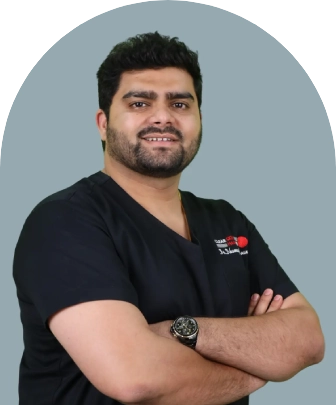
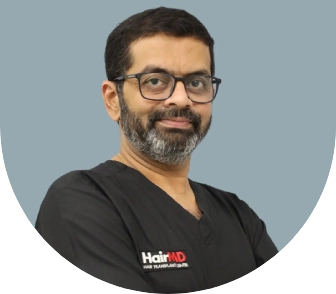
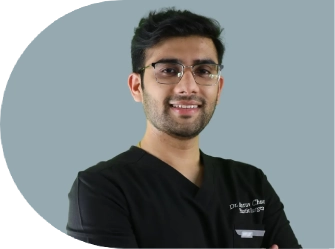
Meet Our Dermatologists


Conclusion
The products sitting on your bathroom shelf may be contributing to your hair loss without you realising it. The damage works quietly, through daily pH disruption from harsh shampoos, cumulative sensitisation from repeated dye exposure, chronic follicular occlusion from heavy oils and pomades, or acute scalp inflammation from formaldehyde-based treatments. Most of this damage is reversible. Remove the offending product, replace it with a safer formulation, and give your scalp 3 to 6 months to recover.
The cases that do not recover on their own are those where product damage has compounded an underlying condition: androgenetic alopecia that the irritated scalp was masking, nutritional deficiency that the inflammation was compounding, or scarring from repeated chemical burns that needs clinical assessment. A dermatologist can separate these scenarios in one visit.
At HairMD Pune, our team evaluates both the product history and the underlying follicle health using trichoscopy, giving you a precise picture of what is causing your shedding and what it will take to reverse it. With 15+ years of experience treating hair and scalp conditions and 250+ patients seen daily across 7 Pune centres, we handle everything from simple product switch advice to full clinical recovery protocols for chemically compromised scalps.
Further Reading
Redensyl vs Minoxidil vs GFC for Hair Loss: Which One Is Right for You?
Redensyl, minoxidil, or GFC therapy for hair loss? HairMD Pune dermatologists explain how each works, who each is for, and how to choose.
How to Prevent Hair Loss: The Ultimate Guide
Explore the ultimate guide to preventing hair loss and maintaining healthy, strong hair.
Do Dermatologists Recommend Inositol and Choline for Hair Loss?
Discover the potential of inositol and choline for hair loss. Learn how these nutrients may benefit follicle health & prevent thinning.
Finding the Right Doctor for Hair Loss Solutions
Searching for What Kind of Doctor Treats Hair Loss? Learn how dermatologists at Hairmd diagnose the cause & offer proven treatments for hair thinning.
Have thoughts? Please let us know
We are committed not only to treating you, but also educating you.